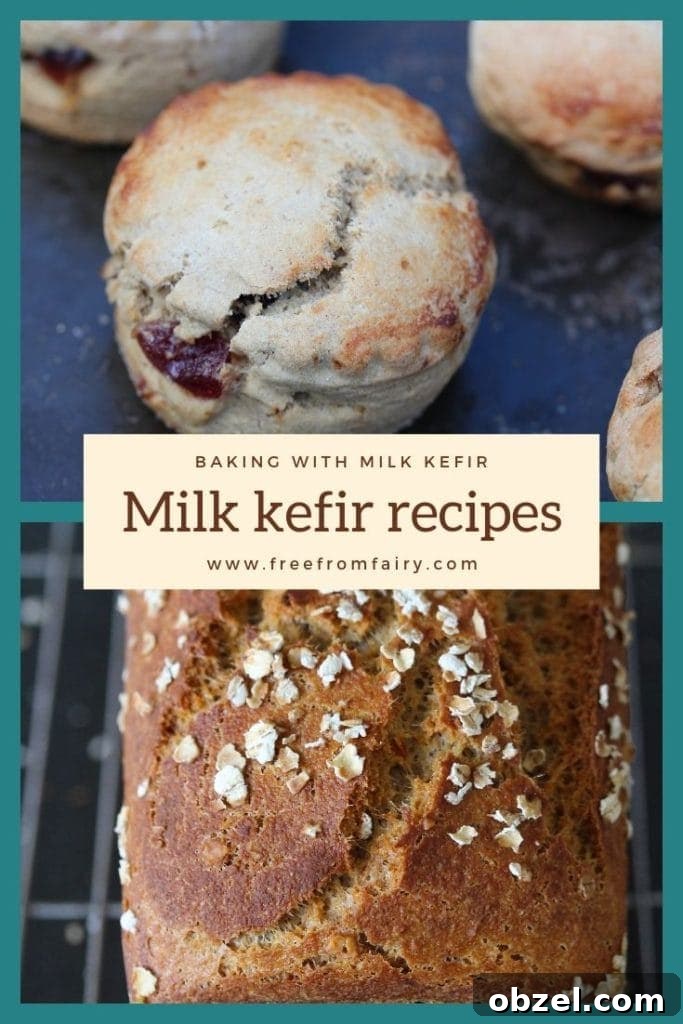
In this guide, I’ll share the simple method I use to make milk kefir at home, along with practical ideas for using kefir in baking and gluten free recipes.
What is milk kefir?
Milk kefir is a cultured, fermented milk drink made with live milk kefir grains. These grains contain a mix of beneficial bacteria and yeasts that ferment the milk, creating a tangy probiotic drink. Kefir is often associated with supporting digestion, helping with bloating, contributing to bone health and supporting the immune system.
It is similar to yoghurt, but it has a thinner consistency and usually contains a wider variety of beneficial bacteria and yeasts. This makes homemade milk kefir a popular choice for people who enjoy fermented foods and want to include more probiotics in their diet.
What does milk kefir taste like?
Milk kefir tastes a little like natural yoghurt. It is sour, tangy and creamy, but it also has a light fizz that makes it feel quite different from yoghurt. Because of this gentle effervescence, milk kefir is sometimes described as “milk champagne”.
The flavour can vary depending on how long it ferments, the temperature of your kitchen and the type of milk you use. A shorter ferment usually produces a milder kefir, while a longer ferment creates a sharper, more sour flavour.
Making milk kefir
To make milk kefir, you need milk kefir grains. Although they are called grains, they are not grains in the usual sense and are not related to wheat or cereal grains. They are a living colony of bacteria and yeast that work together to ferment milk.
You can buy milk kefir grains from specialist fermentation suppliers, or you may be able to get some from a friend who already makes kefir. The grains multiply over time, so people who make kefir regularly often have spare grains to share.
The basic process is very simple. Milk kefir grains are placed into full fat milk, covered loosely and left at room temperature for up to 24 hours. During this time, the milk thickens, becomes tangy and may begin to separate slightly. Once strained, the liquid is your finished milk kefir and the grains can be used again for another batch.
I use around 3 tablespoons of milk kefir grains for approximately 400ml to 500ml of milk. This is a little more than some people recommend, but I find it creates a thick, creamy kefir with a good flavour.
If cow’s milk does not suit you, full fat goat’s milk can also be used. Sheep’s milk is another option. Coconut milk and some dairy free milks can be used for short periods, although the grains still need to be returned to dairy milk regularly because they rely on lactose to stay healthy.
Steps to make dairy milk kefir:
- Take a large glass jar. Add 3 tablespoons of milk kefir grains, then pour in approximately 500ml full fat milk, such as cow’s, goat’s or sheep’s milk.
- Place the lid loosely on top of the jar. Do not screw it on tightly, as gas can build up during fermentation.
- Leave the jar on the kitchen counter for up to 24 hours. The kefir is ready when the milk has thickened and started to separate. The exact time will depend on the temperature of the room.
- Place a plastic sieve over a large glass or plastic jug. Avoid using metal utensils with milk kefir grains, as they may damage the grains.
- Pour the fermented milk and grains into the sieve. Gently push the kefir through using a plastic spatula or spoon.
- Pour the strained milk kefir into a clean glass bottle with a well-fitting lid. Seal the bottle and place it in the fridge.
- Leave the milk kefir in the fridge for around 5 days if you prefer a slightly fizzy, milder drink. Shake it daily if it separates, and open the lid briefly to release any trapped gas. When it hisses slightly on opening, it is ready to drink.
- Put the strained milk kefir grains into a fresh jar of milk and repeat the process. Alternatively, store the grains in fresh milk in the fridge for a few days before straining and using them again.
Steps to make dairy free milk kefir (coconut milk kefir)
- Empty a 400ml tin of coconut milk into a microwave-safe jug, or pour it into a small saucepan.
- Warm the coconut milk just enough to bring it together into a smooth liquid if it has separated into solid and liquid layers. Do not overheat it.
- Pour the slightly warm coconut milk into a glass jar. Add 3 tablespoons of milk kefir grains using a plastic spoon or spatula.
- Follow the same method as above, but leave the coconut milk to ferment for around 12 hours rather than 24 hours.
- After every 2 to 3 batches of coconut milk kefir, place the grains back into dairy milk to feed. Milk kefir grains need lactose to survive and may eventually weaken or die if they are kept only in coconut milk.
Once you have made your milk kefir, there are many ways to use it. You can drink it on its own, add it to smoothies, stir it into dressings or use it as an ingredient in baking.
Baking with kefir
When you make milk kefir regularly, you can quickly end up with a generous supply. If you make a batch every day, you may have around half a litre of kefir daily, depending on the amount of milk you use.
If the whole family drinks kefir, that quantity may be useful. However, if you are new to milk kefir, it is best to start slowly.
Milk kefir is a strong probiotic food, and it may not suit everyone in large amounts straight away.
For people with sensitive digestion, including those with Irritable Bowel Syndrome, kefir can be helpful for some and uncomfortable for others. Drinking too much too soon may cause bloating or digestive changes. A sensible starting point is around 1 tablespoon per day, then increase gradually if it suits you.
If you find you have more kefir than you want to drink, baking with kefir is an excellent option.
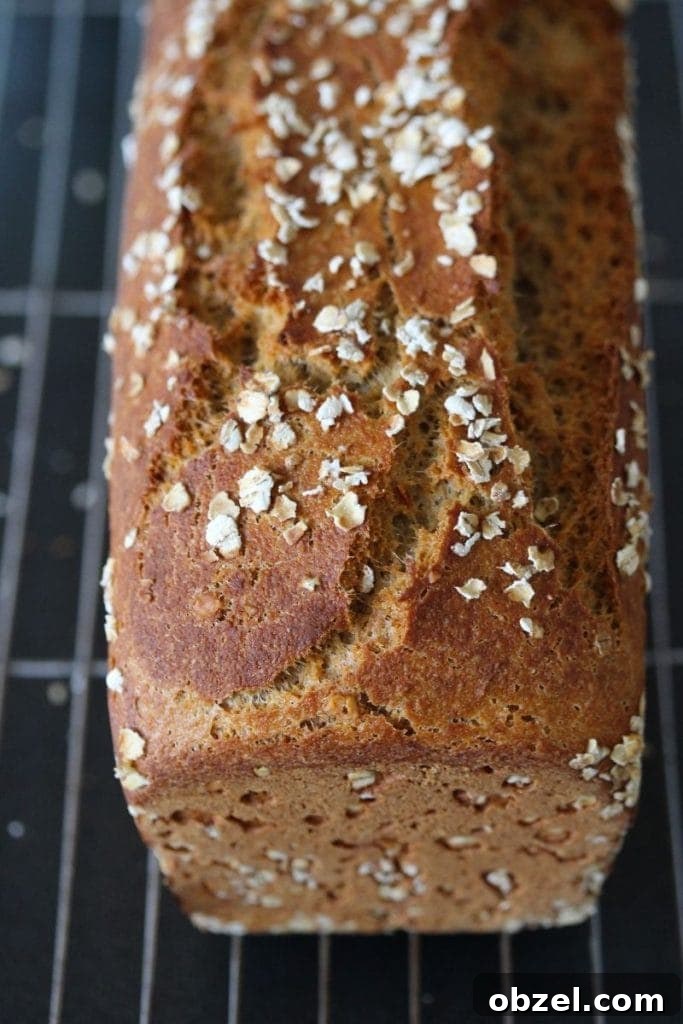
Baking with kefir will destroy the live beneficial bacteria because of the heat. However, kefir still offers excellent baking benefits. Its natural acidity reacts with raising agents, helping bakes rise beautifully and giving them a soft, tender texture.
Milk kefir can often be used in recipes that call for buttermilk. It works well in scones, pancakes, soda bread, cakes and quick breads. This is especially useful in gluten free baking, where achieving a good rise and soft crumb can sometimes be difficult.
Milk kefir can also be used as an easy alternative to a sourdough starter in some sourdough-style bread recipes. Replace the liquid in the recipe with milk kefir, then replace the amount of sourdough starter with extra flour.
For example, if a recipe uses 100g starter, 300g flour and 400ml water, you can try using 400g flour and 400ml milk kefir instead.
Milk kefir recipes (gluten free)
Gluten free scones
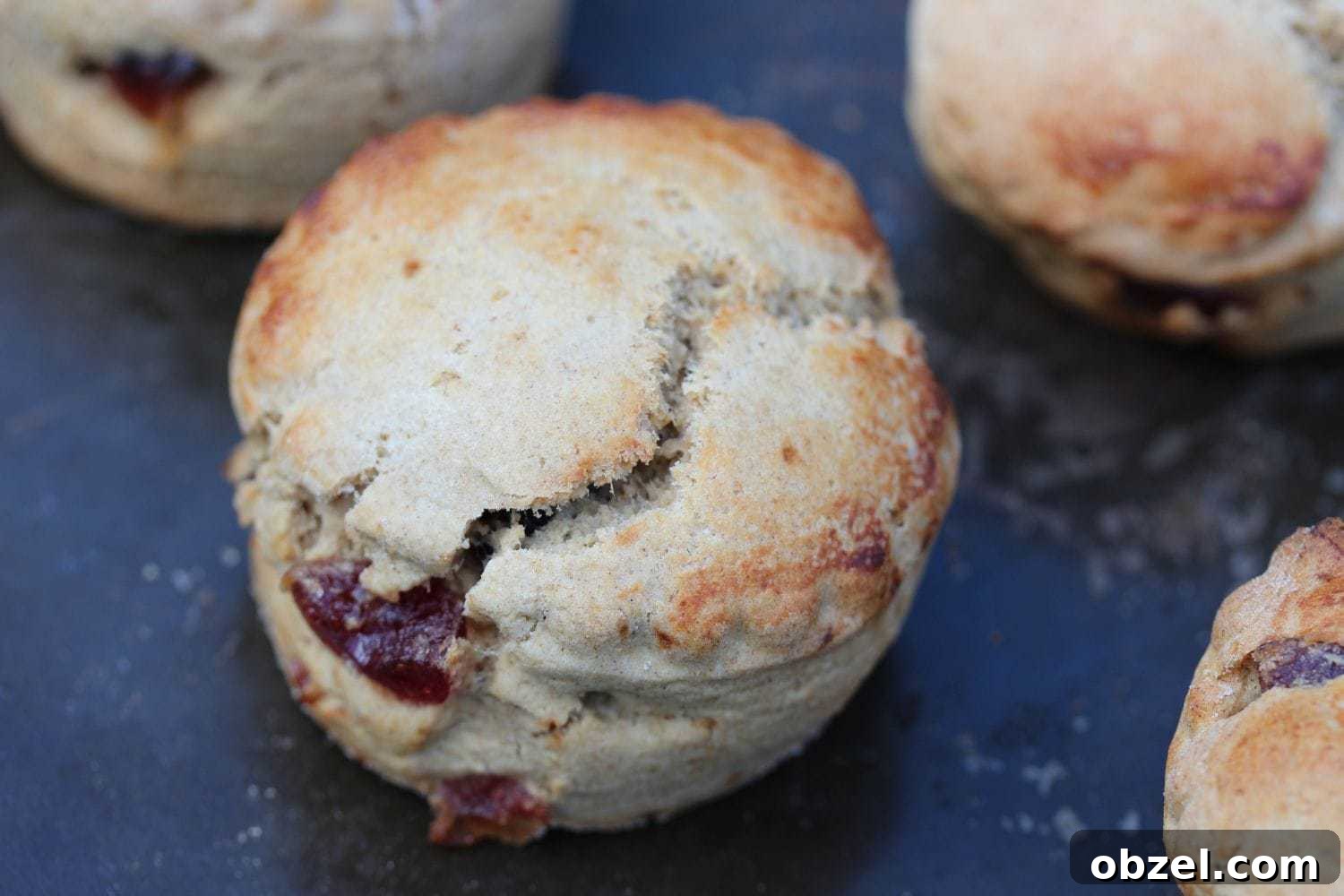
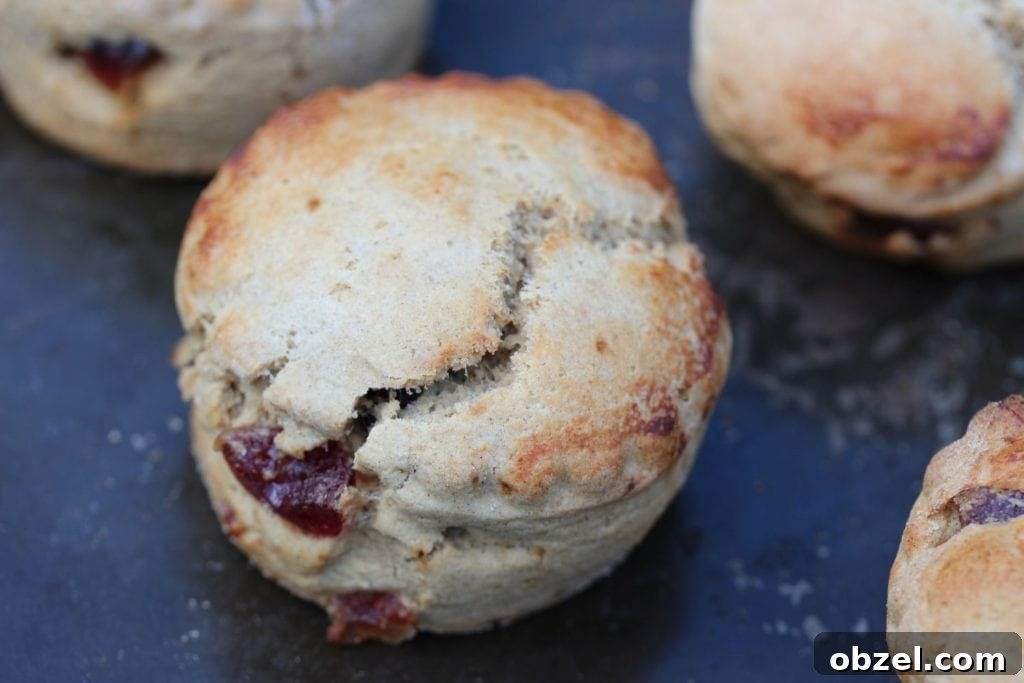
Gluten free scones work very well with milk kefir. Use kefir in place of the milk and yoghurt in your usual recipe. Around 120ml milk kefir is a good starting point, as kefir is thinner than yoghurt. Add cherries if you want to make delicious gluten free cherry scones.
Gluten free soda bread
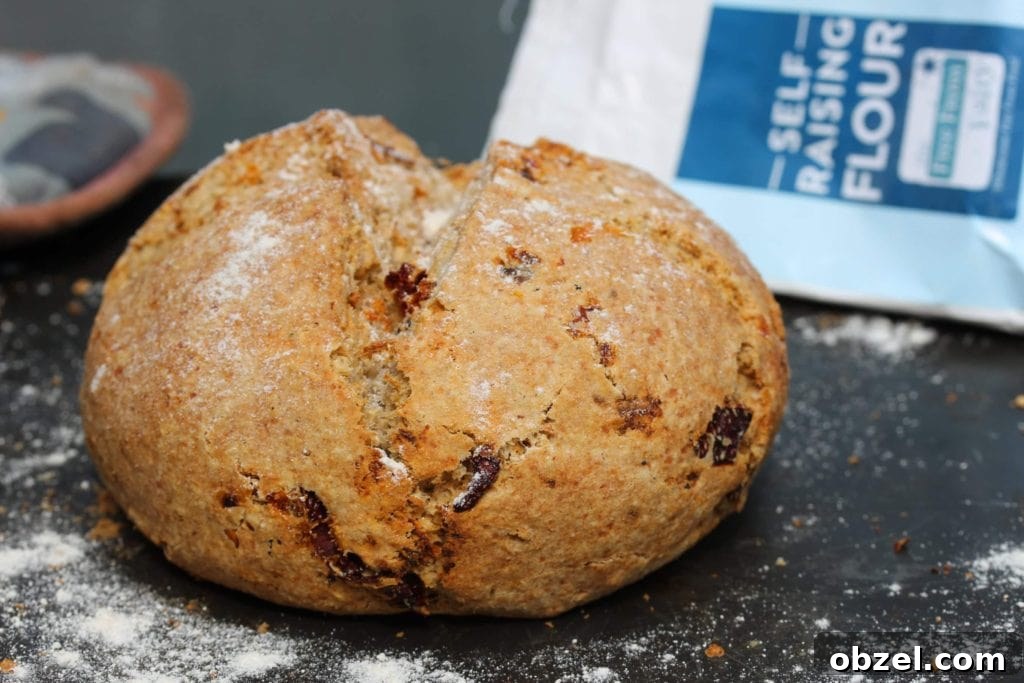
Gluten free soda bread can be made with milk kefir instead of milk and vinegar. The acidity in the kefir helps activate the raising agent, creating a good rise and a pleasant flavour.
Gluten free sourdough bread without starter
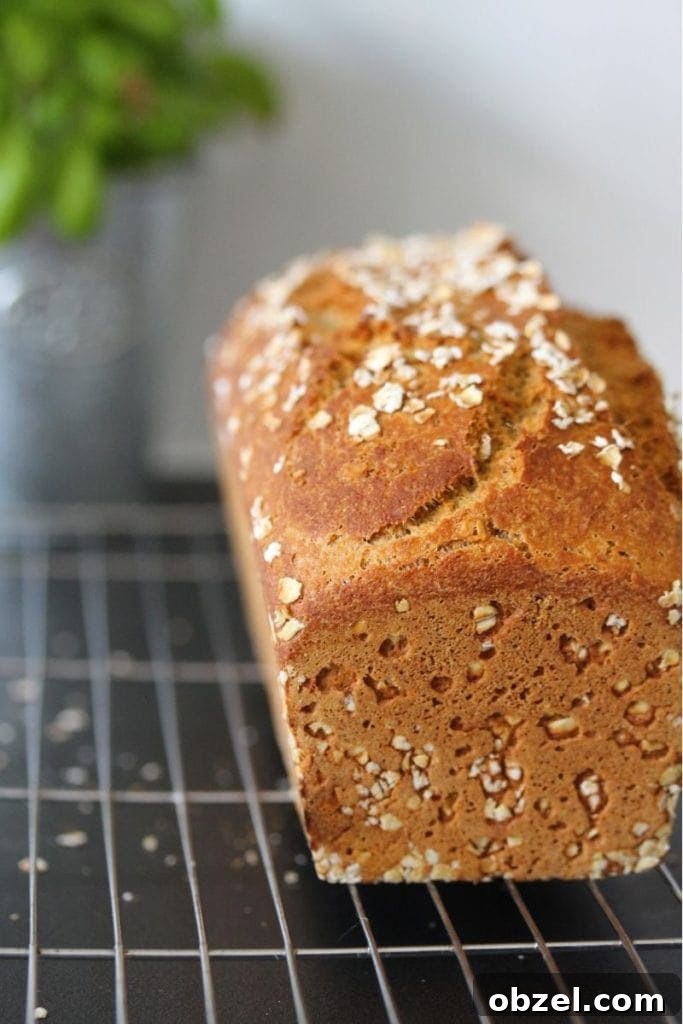
Milk kefir is a useful ingredient for making gluten free sourdough-style bread without maintaining a traditional starter. It can help create a crusty loaf with a springy texture and a gentle sourdough flavour.
Gluten free fruit loaf
A gluten free fruit loaf becomes wonderfully moist when made with kefir. The tangy flavour also works well with dried fruit and spices.
Sweet gluten free buns
Sweet gluten free buns flavoured with lemon and spice can use milk kefir as part of the raising process. The result is a soft, flavourful bun that is ideal for afternoon tea.
Other milk kefir recipes
There are many other ways to use milk kefir in everyday cooking. Try it in smoothies, salad dressings, overnight oats, pancakes, muffins, flatbreads and quick breads. It can also be stirred into sauces after cooking for a tangy, creamy finish.
When using kefir in recipes, remember that it has a naturally sour flavour and a thinner consistency than yoghurt. You may need to adjust the liquid slightly depending on the recipe.
Where can I buy milk kefir?
If you want to make milk kefir at home, look for live milk kefir grains from a reputable fermentation supplier, or ask someone who already makes kefir if they have spare grains to share.
If you prefer to buy ready-made milk kefir, check the chilled section of your supermarket. Many supermarkets now stock milk kefir. Read the label carefully, especially if you are buying it for probiotic benefits. If the kefir has been pasteurised after fermentation, the live bacteria may no longer be present.
Homemade milk kefir is simple, economical and versatile. Whether you drink it daily or use it in gluten free baking, it is a useful ingredient to keep in the kitchen.
Pin this article so you don’t lose it: