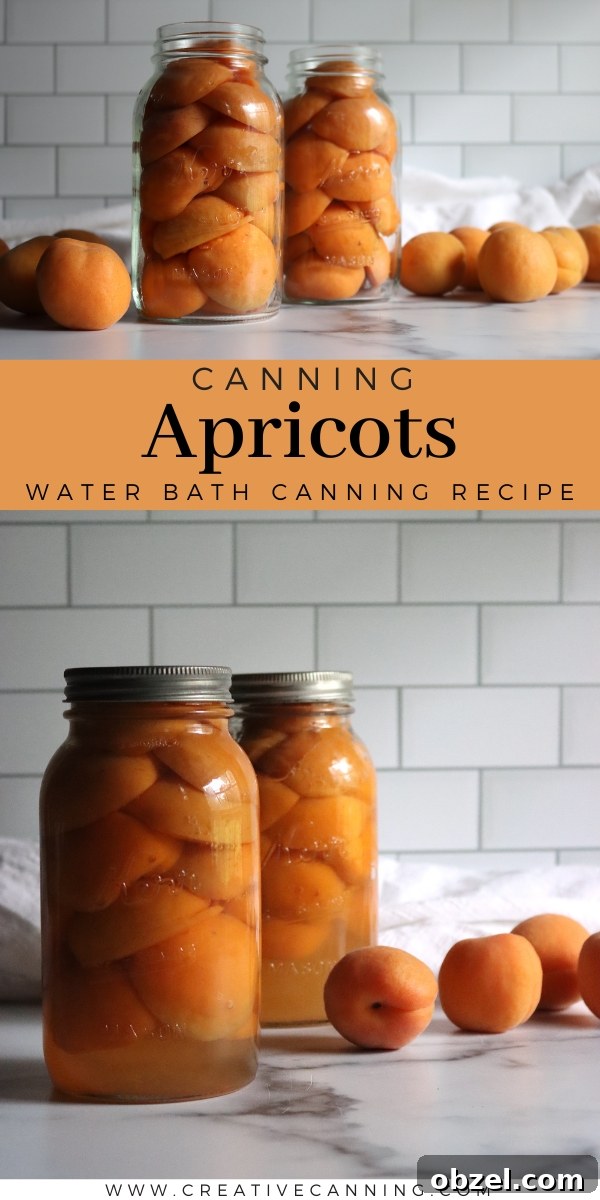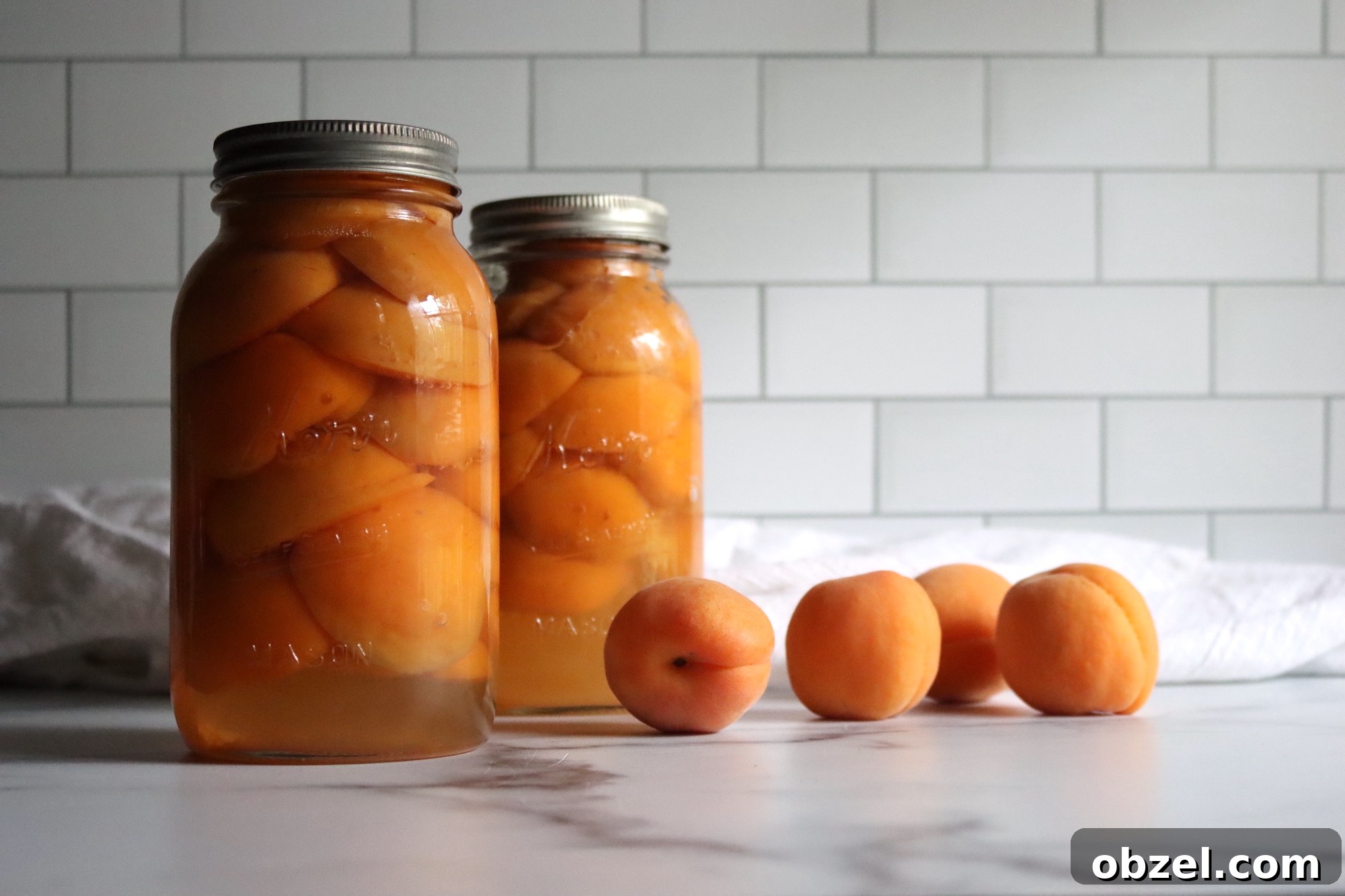
Canning apricots is a simple and rewarding way to preserve fresh summer fruit for the months ahead. Canned apricots are sweet, bright, and versatile, making them perfect for baked goods, breakfast bowls, desserts, or eating straight from the jar. When prepared properly, they hold their flavor beautifully and bring a taste of summer to your pantry all year long.
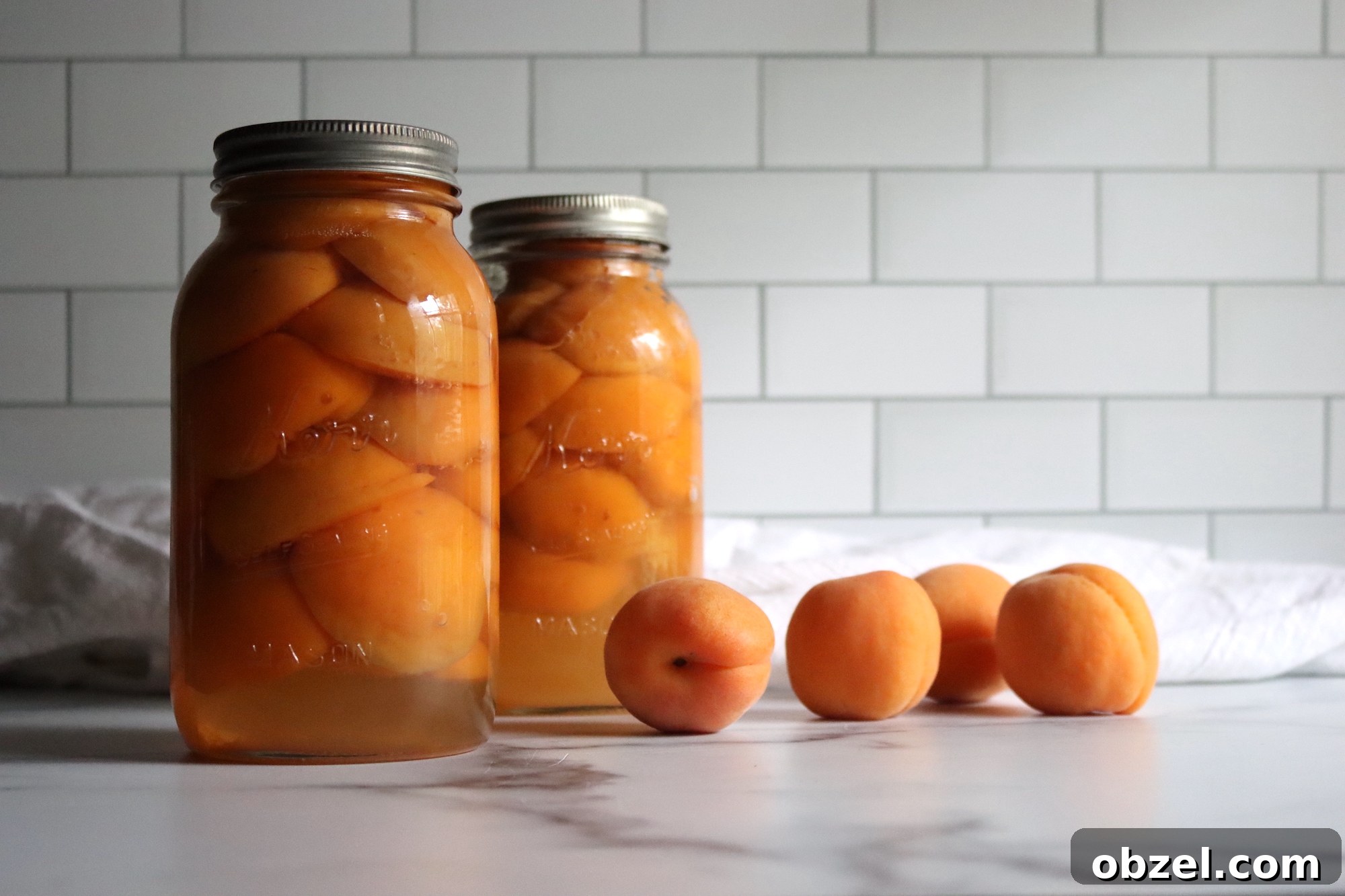
If you have ever had access to a productive apricot tree, you know how quickly the fruit can arrive all at once. A single backyard tree can produce far more apricots than one household can eat fresh, and the season never seems to last long enough. Preserving apricots while they are ripe is one of the best ways to make sure none of that beautiful fruit goes to waste.
Apricots can be made into jam, butter, or pie filling, but plain canned apricots in syrup are the most flexible option. They can be used in many different recipes, served with yogurt or oatmeal, spooned over ice cream, or enjoyed as a quick fruit side dish. Because they are delicate, the method you choose matters. Apricots can soften quickly during processing, especially if they are peeled or cooked before going into jars.
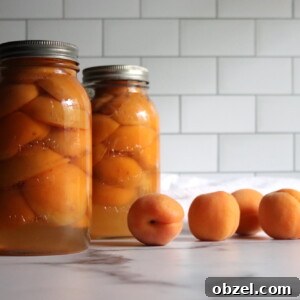
After comparing the tested canning methods, the best option for texture and appearance is raw pack canning apricots in light syrup with the peels left on. This method is also the easiest. The fruit is washed, halved, pitted, packed into jars, covered with hot syrup, and processed in a water bath canner.
There are tested options for hot pack canning, pressure canning, and peeling apricots before packing, but those methods can produce softer fruit. Apricots are naturally tender, and extra handling or heat can cause them to break down. Leaving the skins on helps the halves keep their shape, and the skins soften during canning.
For the best canned apricots, choose ripe but firm fruit. Avoid overripe apricots, bruised fruit, or any apricots with blemishes. High-quality fresh fruit gives you the best finished jars.
What You’ll Need to Can Apricots
Before you begin canning apricots, gather your supplies so the process goes smoothly from start to finish.
- Fresh apricots that are ripe, firm, and free from bruises
- Canning jars, either pint or quart size
- Lids and bands for sealing the jars
- Large pot for preparing syrup and heating jars
- Water bath canner or pressure canner
- Jar lifter for safely moving hot jars
- Canning funnel for filling jars neatly
- Clean towels for wiping rims and cooling jars
What Type of Apricots Are Best for Canning?
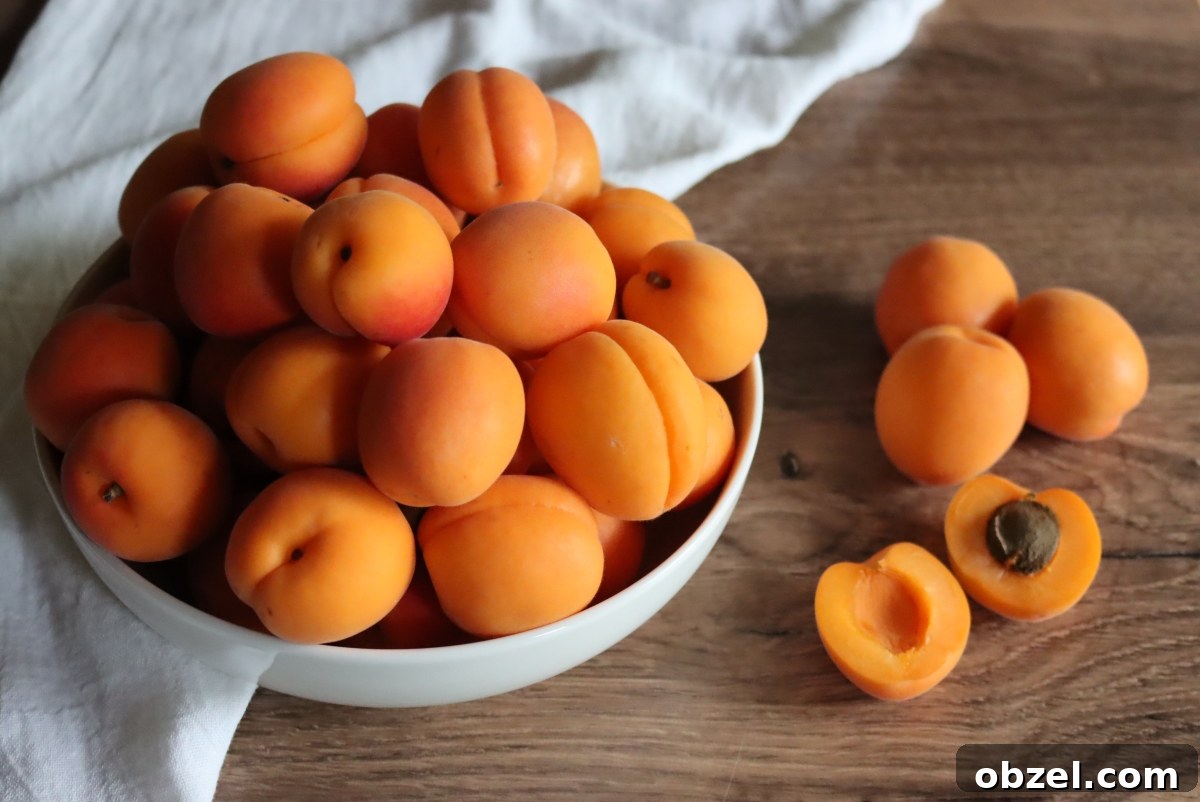
The best apricots for canning are ripe enough to taste sweet and full-flavored, but still firm enough to hold their shape. Very soft apricots are better used for jam or fruit butter because they tend to fall apart in jars.
Common apricot varieties used for canning include:
- Blenheim apricots: Sweet, rich, and flavorful, making them a favorite for preserving.
- Tilton apricots: Slightly firmer than some varieties and a good choice for holding shape during canning.
- Royal apricots: Juicy and sweet with a gentle tartness that works well in preserved fruit.
No matter which variety you use, sort the fruit carefully. Remove any apricots with bruises, soft spots, mold, or damaged areas. Good fruit going into the jars means better color, flavor, and texture after processing.
How to Can Apricots (Raw Pack)
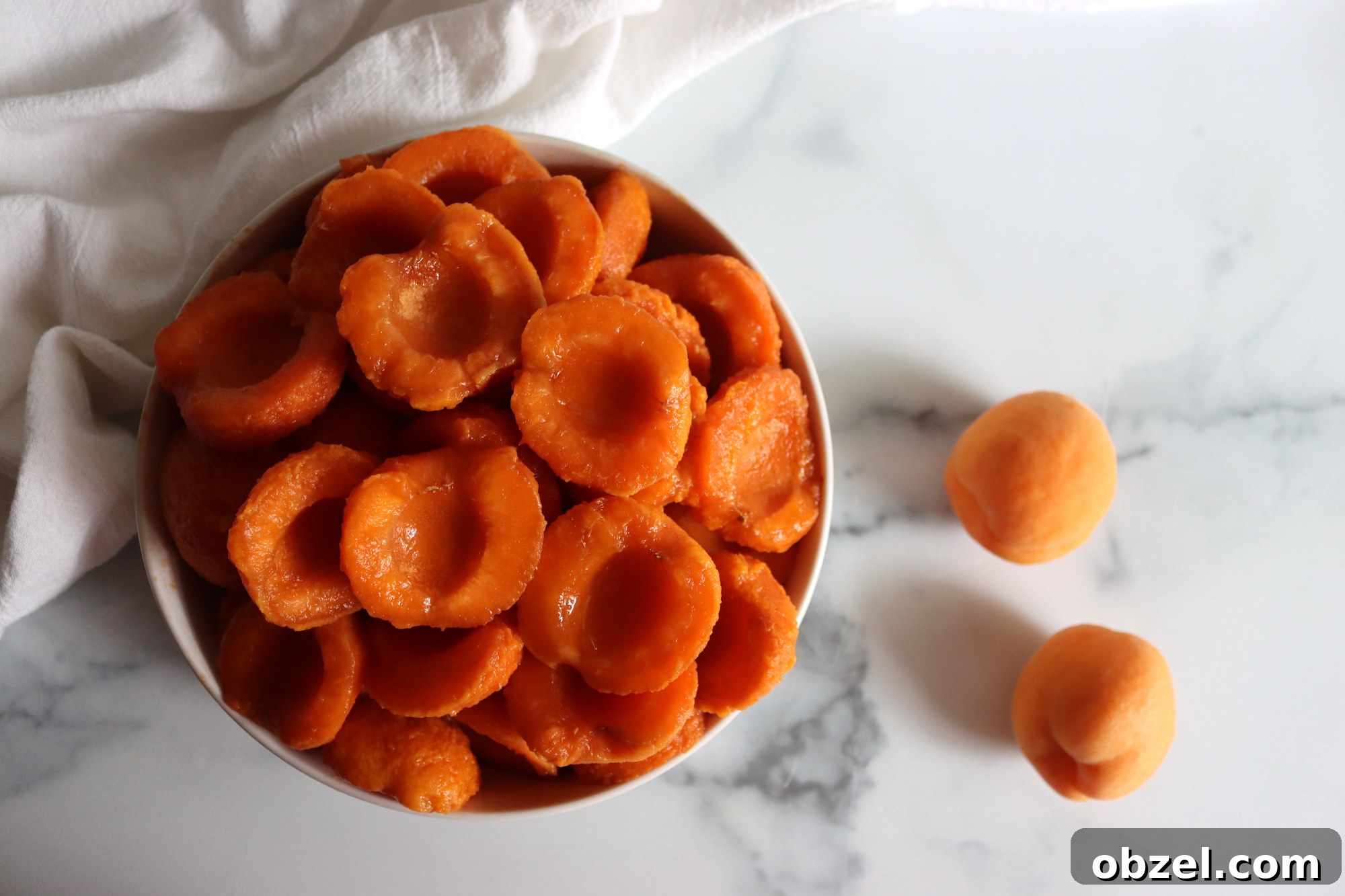
Start by washing the apricots under cool running water. Cut each apricot in half and remove the pit. If the fruit is firm and in good condition, it can go directly into the jars after halving.
Peeling apricots is optional, but it is not recommended for the best finished texture. To peel apricots, they must be briefly blanched in hot water and then cooled in an ice bath. That extra heat softens the fruit, and peeled apricots are more likely to brown, tear, or break apart during canning.
The skins are edible and soften in the jar, so leaving them on saves time and helps the fruit stay intact. If you are working with a variety that browns quickly, you may treat the cut apricots with lemon juice, citric acid, or ascorbic acid before packing. If you work quickly, many apricots can be packed without noticeable browning.
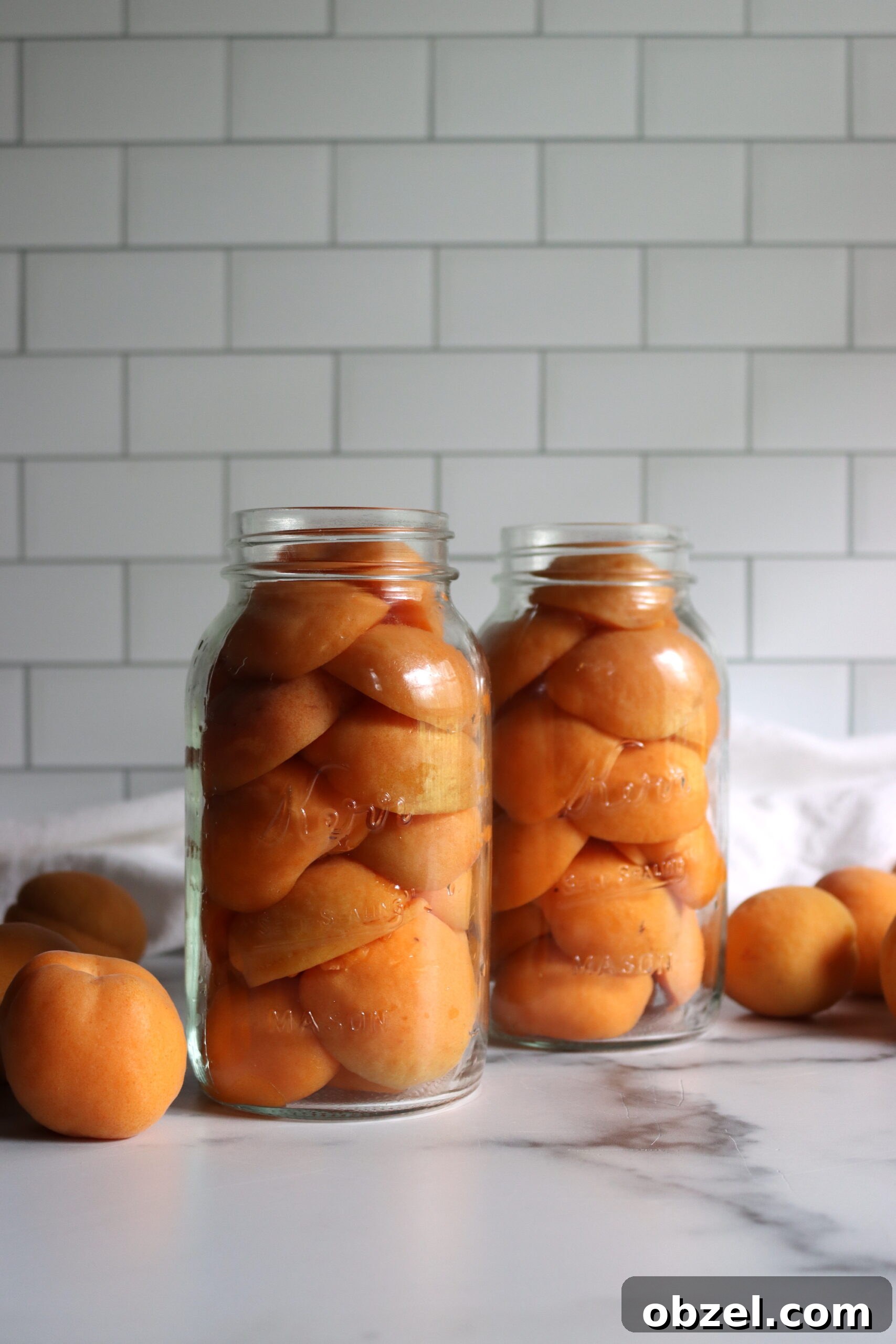
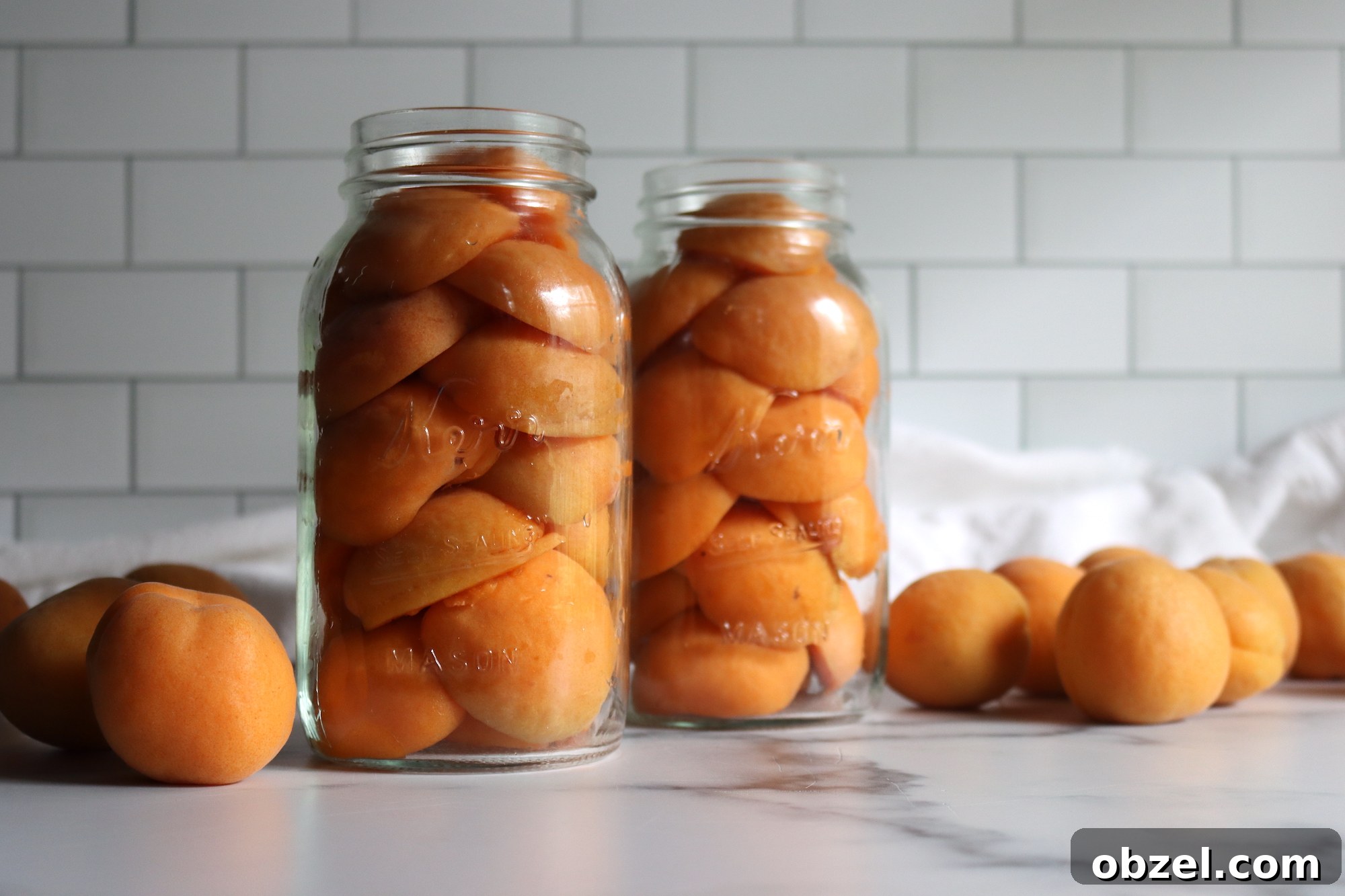
Pack the apricot halves into jars with the cut side down whenever possible. This helps them fit neatly and reduces floating. Pack the jars firmly, but do not crush the fruit.
Syrup for Canning Apricots
Apricots may be canned in water, fruit juice, or syrup. Syrup is often preferred because it helps preserve flavor, color, and texture. A light syrup is a good choice for apricots because it supports their natural sweetness without making the fruit overly sugary.
For a 9-pint canner batch, use the following sugar and water amounts:
- Extra-light syrup: 3/4 cup sugar to 6 1/2 cups water
- Light syrup: 1 1/2 cups sugar to 5 3/4 cups water
- Medium syrup: 2 1/4 cups sugar to 5 1/4 cups water
- Heavy syrup: 3 1/4 cups sugar to 5 cups water
- Extra-heavy syrup: 4 1/4 cups sugar to 4 1/4 cups water
For a 7-quart canner batch, use the following sugar and water amounts:
- Extra-light syrup: 1 1/4 cups sugar to 10 1/2 cups water
- Light syrup: 2 1/4 cups sugar to 9 cups water
- Medium syrup: 3 3/4 cups sugar to 8 1/4 cups water
- Heavy syrup: 5 1/4 cups sugar to 7 3/4 cups water
- Extra-heavy syrup: 6 3/4 cups sugar to 6 1/2 cups water
Each pint jar usually needs about 1/2 to 3/4 cup of syrup, depending on how tightly the apricots are packed. Quart jars usually need about 1 to 1 1/2 cups of syrup. Prepare a little extra syrup if you are unsure, since jar fill can vary.
Canning Apricots
Once the apricots are washed, halved, and pitted, prepare the syrup and jars. For raw pack canning, preheat the water in the canner to about 140 to 150 F. The water should be warm but not simmering. If the canner is too hot when raw packed jars are added, the jars may be stressed by the sudden temperature change.
Pack the apricot halves into sterilized jars, leaving enough room for syrup to flow around the fruit. Pour boiling syrup over the apricots, leaving 1/2 inch of headspace. Remove air bubbles if needed, then adjust the headspace again before sealing.
Wipe the jar rims with a clean towel to remove syrup or fruit residue. Place lids on the jars and screw the bands on until they are fingertip tight. Do not overtighten the bands, as air must be able to escape during processing.
Apricots can be processed in either a water bath canner or a pressure canner. Water bath canning is a good choice for raw packed apricots and produces excellent results.
- Water bath canning: Process raw packed apricots in a boiling water bath for 25 minutes for pints and 30 minutes for quarts. For hot packed apricots, process for 20 minutes for pints and 25 minutes for quarts. Adjust processing time for altitude if you are above 1,000 feet.
- Pressure canning: Process jars for 10 minutes at 6 pounds pressure in a dial-gauge canner or 5 pounds pressure in a weighted-gauge canner, adjusting pressure for altitude as needed.
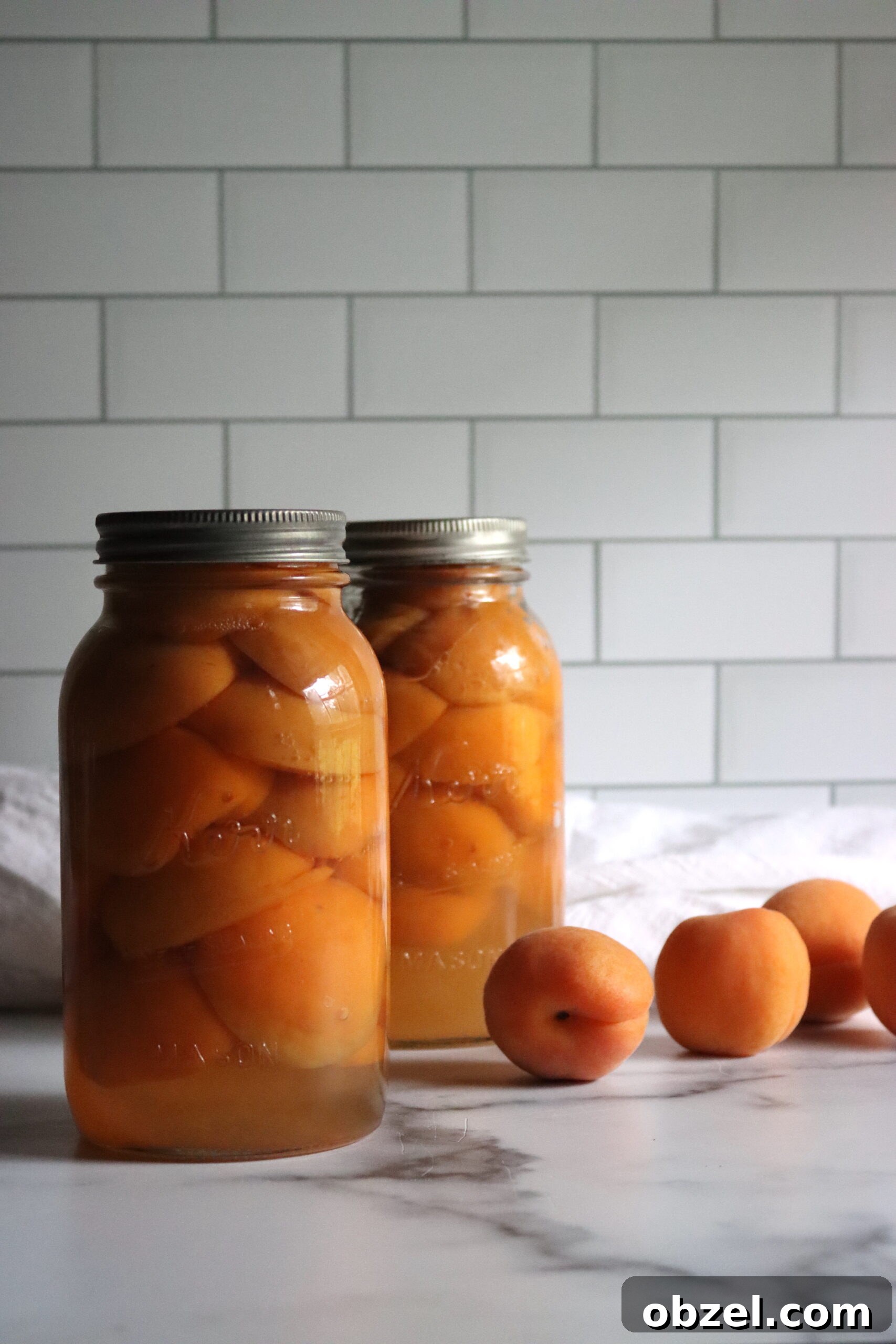
After processing, remove the jars carefully with a jar lifter and place them on a clean towel. Let them cool undisturbed for 12 to 24 hours. Check the seals by pressing the center of each lid. If the lid does not flex or pop back, the jar has sealed. Label sealed jars with the date and store them in a cool, dark place. Refrigerate any unsealed jars and use them promptly.
Altitude Adjustments
Altitude affects canning because water boils at a lower temperature at higher elevations. If you live above 1,000 feet, adjust the processing time or pressure as listed below.
For raw pack water bath canning apricots:
- 0 to 1,000 feet: 25 minutes for pints and 30 minutes for quarts.
- 1,001 to 3,000 feet: 30 minutes for pints and 35 minutes for quarts.
- 3,001 to 6,000 feet: 35 minutes for pints and 40 minutes for quarts.
- 6,001 feet and above: 40 minutes for pints and 45 minutes for quarts.
For hot pack water bath canning apricots:
- 0 to 1,000 feet: 20 minutes for pints and 25 minutes for quarts.
- 1,001 to 3,000 feet: 25 minutes for pints and 30 minutes for quarts.
- 3,001 to 6,000 feet: 30 minutes for pints and 35 minutes for quarts.
- 6,001 feet and above: 35 minutes for pints and 40 minutes for quarts.
For pressure canning apricots, processing time is always 10 minutes for both pints and quarts, whether using raw pack or hot pack. The pressure changes with altitude.
With a dial-gauge canner, use the following pressures:
- 0 to 2,000 feet: 6 pounds
- 2,001 to 4,000 feet: 7 pounds
- 4,001 to 6,000 feet: 8 pounds
- 6,001 to 8,000 feet: 9 pounds
- Above 8,000 feet: 10 pounds
With a weighted-gauge canner, use the following pressures:
- 0 to 1,000 feet: 5 pounds
- Above 1,001 feet: 10 pounds
Canning Apricots
Equipment
-
Water bath canner
-
Canning jars, lids, and bands
-
Jar lifter and canning funnel
Ingredients
- Fresh apricots
- Sugar
- Water
- Lemon juice or ascorbic acid, optional, to help prevent browning
Instructions
-
Wash the apricots well. Halve them and remove the pits. Leave the skins on for the best texture, or treat the fruit with lemon juice or ascorbic acid if browning is a concern.
-
Combine sugar and water in a saucepan according to the syrup strength you prefer. Bring to a boil, stirring until the sugar dissolves.
-
Prepare jars, lids, and bands. Preheat the water bath canner to about 140 to 150 F for raw pack canning.
-
Pack apricot halves into hot, sterilized jars, placing them cut side down when possible. Pour boiling syrup over the fruit, leaving 1/2 inch of headspace.
-
Remove air bubbles, adjust headspace if needed, wipe jar rims, apply lids, and tighten bands until fingertip tight.
-
Process raw packed apricots in a boiling water bath for 25 minutes for pints and 30 minutes for quarts, adjusting for altitude. For hot pack, process 20 minutes for pints and 25 minutes for quarts at 0 to 1,000 feet.
-
Let jars cool undisturbed for 12 to 24 hours. Check seals, label jars, and store sealed jars in a cool, dark place. Refrigerate after opening.
Notes
For a 9-pint canner batch:
- Extra-light syrup: 3/4 cup sugar to 6 1/2 cups water
- Light syrup: 1 1/2 cups sugar to 5 3/4 cups water
- Medium syrup: 2 1/4 cups sugar to 5 1/4 cups water
- Heavy syrup: 3 1/4 cups sugar to 5 cups water
- Extra-heavy syrup: 4 1/4 cups sugar to 4 1/4 cups water
For a 7-quart canner batch:
- Extra-light syrup: 1 1/4 cups sugar to 10 1/2 cups water
- Light syrup: 2 1/4 cups sugar to 9 cups water
- Medium syrup: 3 3/4 cups sugar to 8 1/4 cups water
- Heavy syrup: 5 1/4 cups sugar to 7 3/4 cups water
- Extra-heavy syrup: 6 3/4 cups sugar to 6 1/2 cups water
Fruit juice, such as apple juice or white grape juice, may be used instead of syrup for a lighter option.
Nutrition
Nutrition information is automatically calculated and should be used as an approximation.
Fruit Canning Recipes
Preserving more fruit this season? Peaches and cherries are also excellent choices for home canning and can be prepared in similar pantry-friendly ways.
- Canning peaches
- Canning cherries