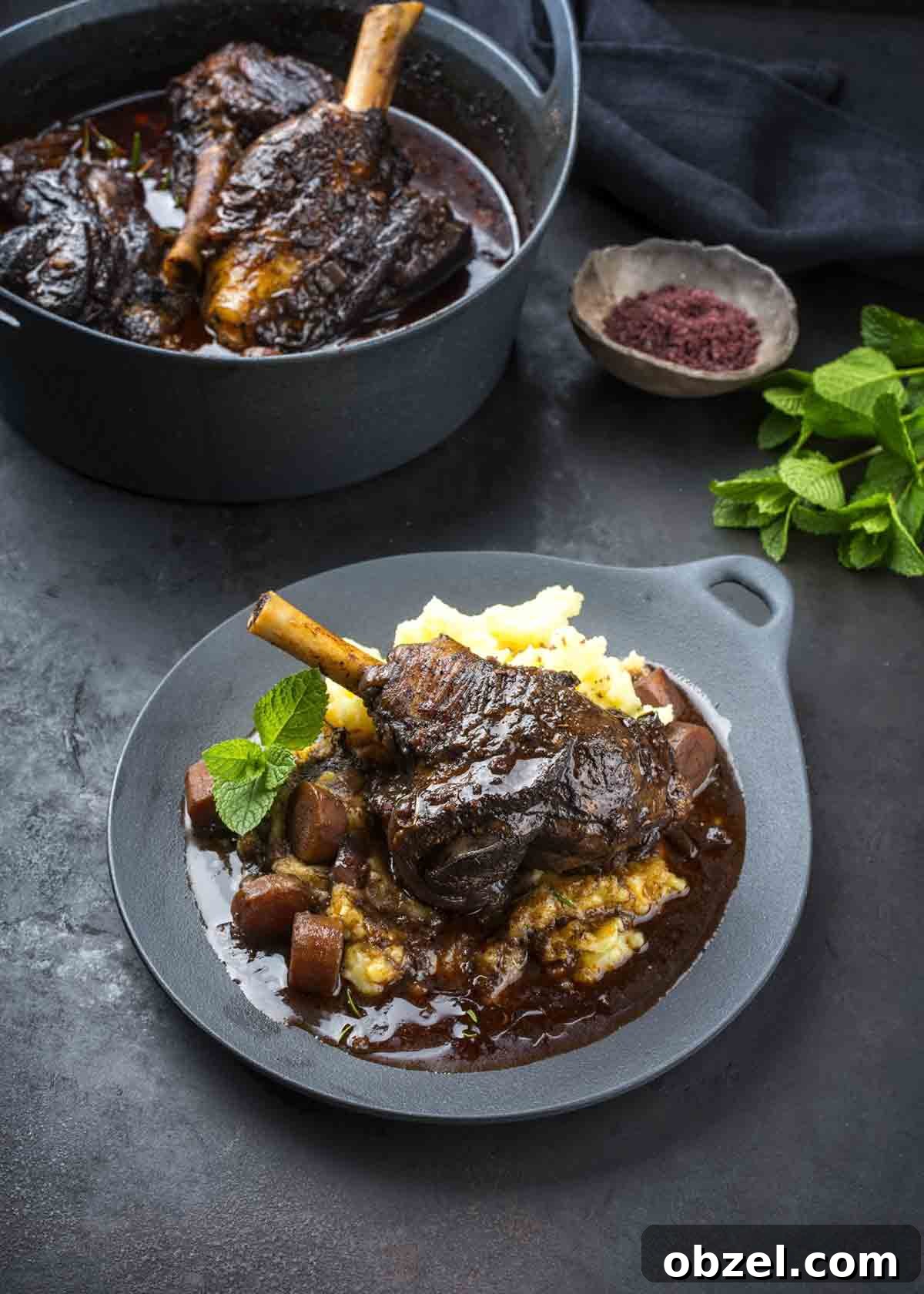
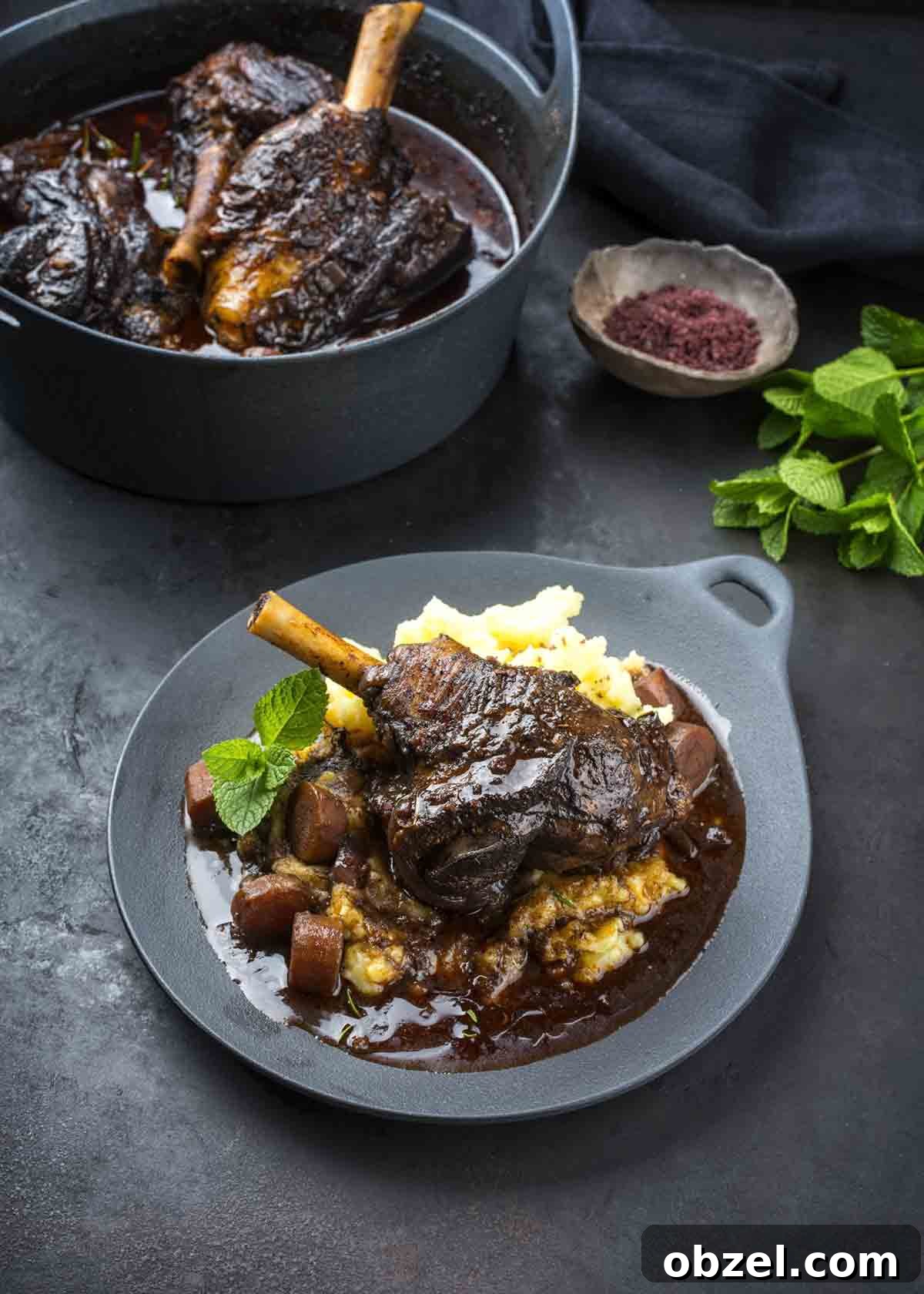
When snow is piling up outside and the temperature keeps dropping, few meals feel as comforting as a slow-cooked braise. The appeal begins long before dinner is served. As the pot gently simmers, the kitchen fills with a deep, savory aroma that makes the meal feel special without requiring constant attention. A good braise asks for patience, but not much effort. With only an occasional turn, stir, or check of the liquid, tough and often inexpensive ingredients become tender, flavorful, and deeply satisfying.
Braising is one of the most useful cooking techniques for home cooks because it turns humble cuts of meat and simple vegetables into rich, hearty dishes. It is practical, economical, and ideal for cold-weather cooking, make-ahead meals, and leftovers that often taste even better the next day.
So what is braising?
Braising is a slow, moist-heat cooking method that combines gentle heat, a covered pot, and a relatively small amount of liquid. It is often used for tougher cuts of meat, the kind that contain connective tissue, cartilage, and sinew. Given enough time, those firm elements soften and melt into the cooking liquid, creating meat that is tender, juicy, and full of flavor.
In many ways, braising is the art of transformation. Ingredients that may seem plain or difficult at first become a unified, flavorful dish. A piece of chuck roast, a lamb shank, chicken legs, or short ribs can turn into a memorable meal when cooked slowly with stock, wine, herbs, onions, carrots, garlic, or other aromatics.
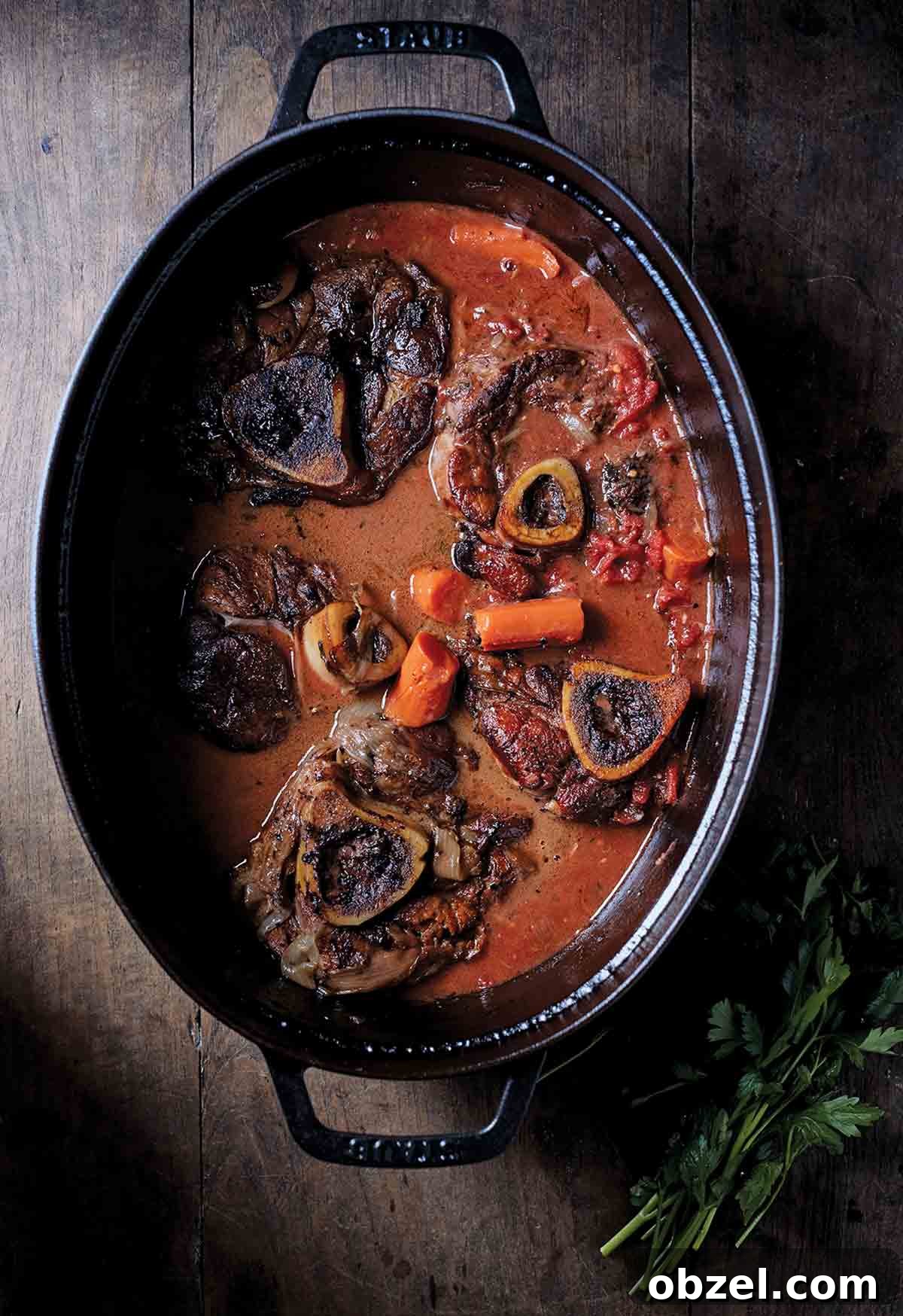
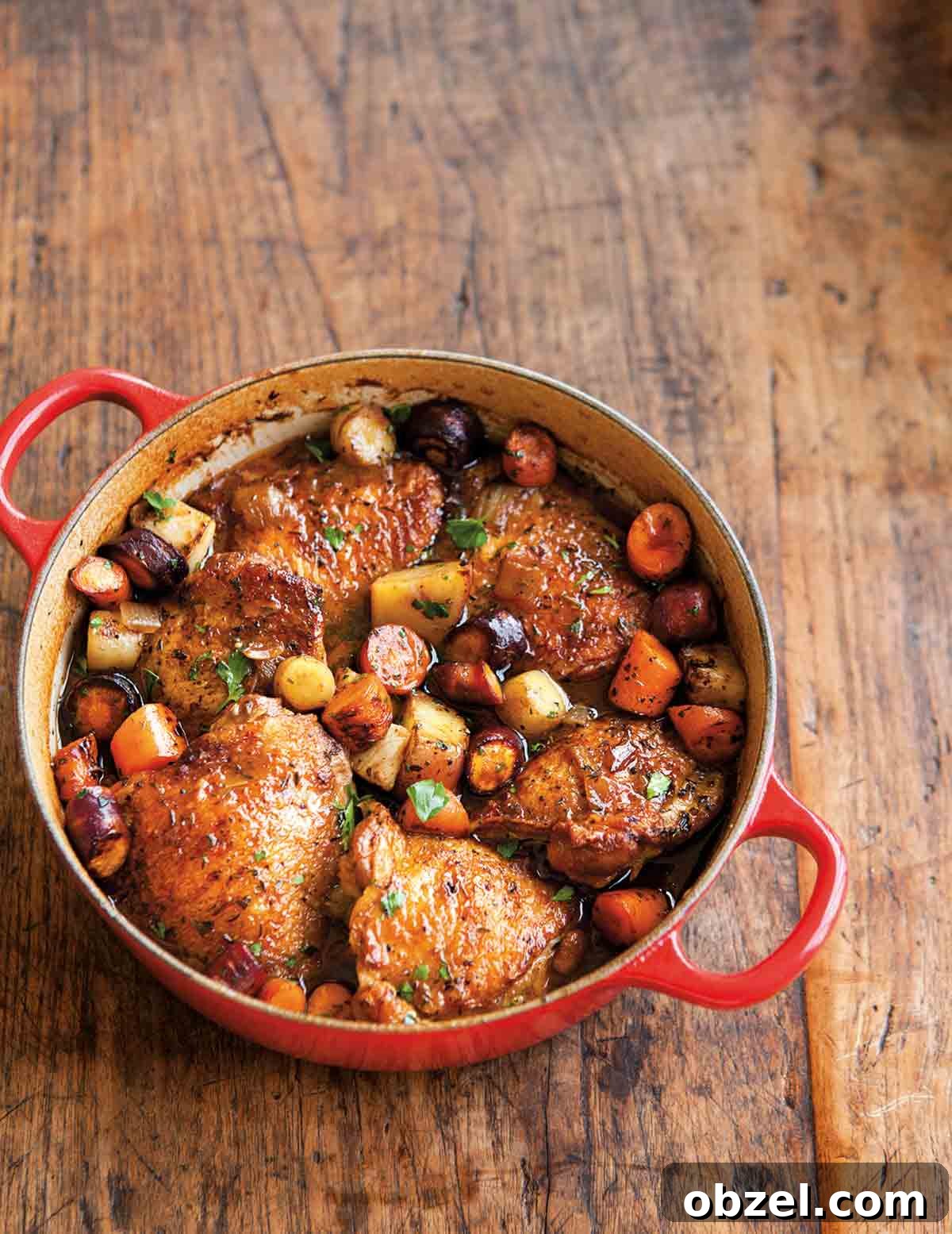
Many home cooks have braised food without realizing it. If you have ever followed a recipe that told you to reduce the heat to a very low simmer, cover the pot tightly, and cook for an hour or two, you were braising. Classic dishes such as short ribs, osso buco, pot roast, and coq au vin all rely on this method. Many slow cooker meals also fall into the same category because they use low heat, time, and moisture to tenderize ingredients.
The key difference between braising and stewing is the amount of liquid. In a stew, the ingredients are usually submerged or nearly submerged. In a braise, the liquid generally reaches only partway up the main ingredient. This allows the food to cook through a combination of simmering liquid and trapped steam, producing a rich sauce rather than a thin broth.
At its most basic, braising means cooking a main ingredient slowly in a covered vessel with a modest amount of liquid. The dish may be prepared on the stovetop, in the oven, or in a slow cooker. The exact equipment matters less than the essentials: low heat, enough time, a tight cover, and a flavorful cooking liquid.
How does braising work?
A braise works because the covered pot creates a humid cooking environment. As the liquid heats, steam rises, collects on the underside of the lid, condenses, and drips back into the pot. This cycle keeps the food moist and helps the flavors circulate through the dish.
Many braised meat recipes begin by searing the meat. This step builds flavor by browning the surface and leaving browned bits, known as fond, on the bottom of the pot. When liquid is added, those bits dissolve into the sauce and give the finished dish more depth.
The amount of liquid may look too small at first, but that is intentional. The liquid usually comes only one-third to halfway up the side of the meat. As the ingredients cook, they release their own juices, which mingle with the stock, wine, herbs, vegetables, and aromatics. If too much liquid is added, the final sauce can taste diluted and less focused. For that reason, the quality of the stock, wine, or other liquid matters because it strongly influences the final flavor.
The real magic of braising happens through time and low heat. Tough cuts of meat contain connective tissues that need a long, gentle cooking process to break down. After sustained cooking at around 180 to 200°F, or 82 to 93°C, those tissues soften and help create the glossy, rich texture associated with a well-made braise. The meat fibers become tender, and the sauce gains body and flavor.
This method is not right for every cut. Lean, tender cuts such as chicken breast or ribeye steak are better suited to quicker cooking methods. Braising them for a long time would make them dry or unpleasant. Instead, choose cuts that benefit from slow cooking, such as short ribs, lamb shanks, chuck roast, pork shoulder, chicken thighs, or chicken legs.
How do you know when a braise is done?
One common mistake is judging a braise only by temperature. A pot roast may reach a safe internal temperature long before it becomes tender. If you remove it too early, the meat may be fully cooked but still chewy and tough.
The best test for doneness is texture. Use a fork to check the meat. If the fork slides in with little resistance and the meat can be gently pulled apart, the braise is ready. With quick-cooked meat, toughness often means overcooking. With braised meat, toughness usually means the dish has not cooked long enough.
That said, it is possible to overcook a braise. Once the meat is tender and the fibers separate easily, do not continue cooking indefinitely. If the braise goes too far, the meat can lose its texture and begin to fall apart into dry, stringy pieces. Use a timer, check the texture near the end of the suggested cooking time, and stop when the meat is tender but still flavorful and intact.
Tips to help ensure better braising
These practical tips can help you get consistently tender, flavorful results when braising meat, poultry, or vegetables.
Use tight-fitting lids
A tight lid is important because it keeps steam inside the pot. If too much steam escapes, the cooking liquid can evaporate, the bottom may scorch, and the entire dish can take on a burnt flavor. A small amount of steam escaping is normal, but a steady stream from the edges of the lid means the seal may not be good enough.
If your lid does not fit tightly, place a piece of parchment paper slightly larger than the pot opening over the top before adding the lid. You can also wrap the rim of the lid with aluminum foil to improve the seal. If you are concerned about the liquid level, check the braise once during cooking and add a splash of stock or water if needed. Avoid lifting the lid too often, as each check releases valuable steam and heat.
Choose the right-size pot
Pot size matters. A good braise needs enough space for the ingredients to fit comfortably, but not so much space that the liquid spreads too thin and evaporates quickly. A Dutch oven is a classic choice because it holds heat well and usually has a sturdy lid. However, it is not the only option.
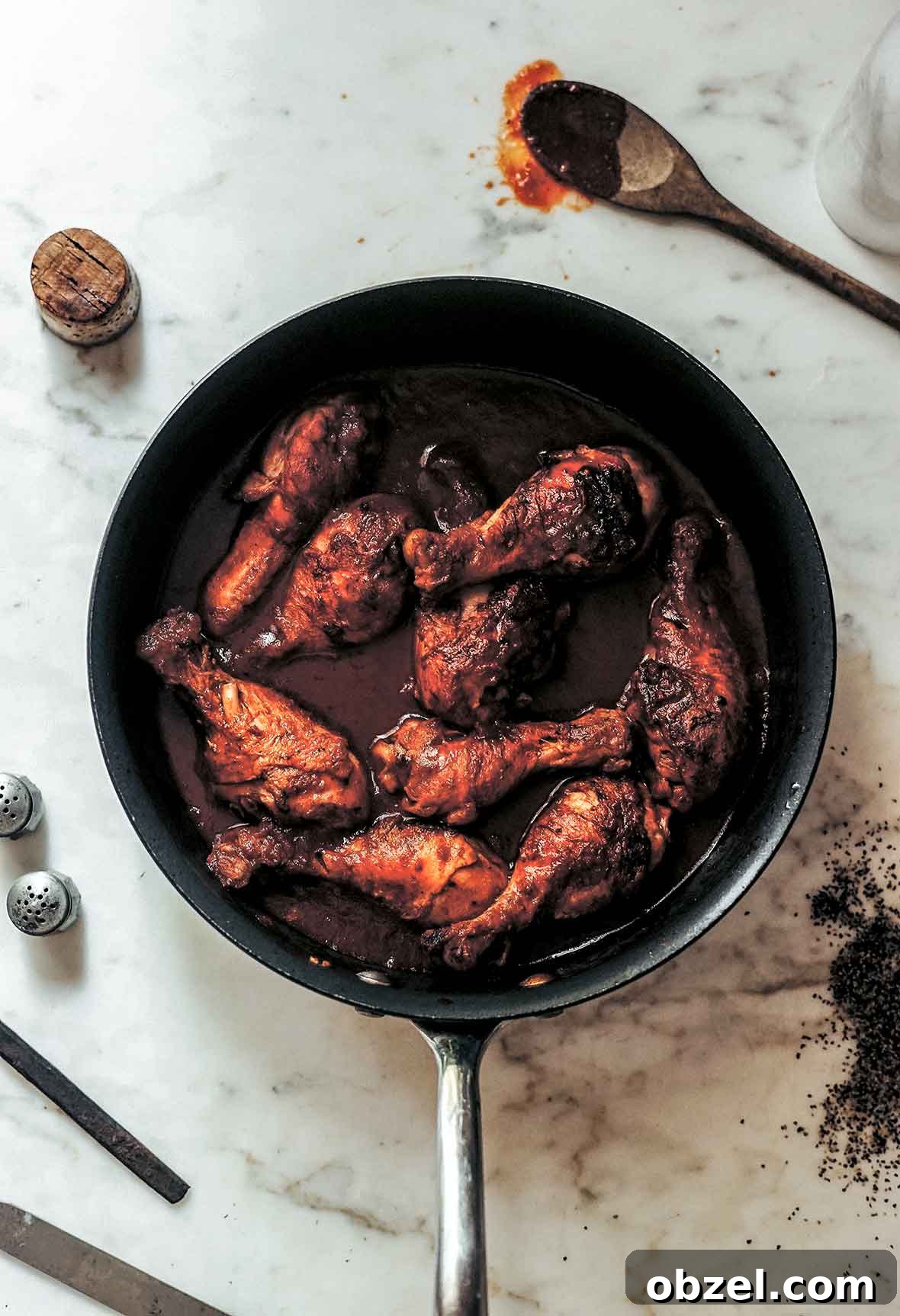
A wide sauté pan, a braiser, or another heavy pan with a lid can work well, especially when the recipe calls for a shallow layer of liquid. A wider surface area allows the food to sit partly in the liquid without being fully submerged. The goal is to braise, not boil or poach.
If the main ingredient is too large for your pot, such as a large cut of lamb, you can use a roasting pan or baking dish tightly covered with foil. Brown the meat and sauté the aromatics in a skillet first, then transfer everything to the larger vessel for braising. Keep the skillet available in case you need to reduce the sauce at the end.
Choose almost any pot, though, as long as it’s the right size
Expensive cookware is not required for successful braising. A heavy pot or sturdy skillet with a tight-fitting lid can produce excellent results. While high-end pots can be beautiful and durable, the basic principles of braising matter far more than the brand of cookware.
Some lids are designed with dimples or curves on the underside to encourage condensation. These features can be useful, but they are not essential. A regular lid can still trap steam effectively, especially if you use parchment or foil to help create a better seal. For braising, steady heat, proper liquid levels, and time are more important than decorative cookware features.
Maintain a low heat
One of the most important parts of braising is maintaining a gentle simmer. The liquid should barely bubble. If it boils vigorously, the meat can become dry or stringy, and the sauce may reduce too quickly.
Stovetops can make this challenging. Electric burners may cycle on and off, creating uneven heat. Gas burners can produce a small flame concentrated in the center of the pot, which may cause hot spots. If you braise often, a heat diffuser or flame tamer can help spread the heat more evenly and keep the temperature steady. It can also make it easier to use more delicate cooking vessels, such as clay pots or tagines, on the stovetop.
The oven is another reliable option because it surrounds the pot with even heat. Many cooks prefer oven braising for long recipes because it is easier to maintain a consistent low temperature.
Braise vegetables and meat
Braising is not only for meat. Vegetables can also be braised, and the method brings out their natural sweetness and depth. Since vegetables do not contain the same tough muscle fibers as meat, they usually cook much faster. The goal is not to break down connective tissue but to concentrate flavor and create a tender texture.
Cabbage is one of the most familiar braised vegetables, but many others work beautifully. Carrots, potatoes, fennel, artichokes, leeks, greens, and root vegetables can all be cooked with a little liquid, aromatics, and gentle heat. Depending on the recipe, the result may be buttery, savory, sweet, or creamy.
Make it ahead!
Braises are excellent make-ahead dishes. In many cases, they taste better the next day because the flavors have more time to settle and blend. An overnight rest in the refrigerator can make the sauce taste more balanced and developed.
Making a braise ahead also makes it easier to remove excess fat. As braised meat cools, fat rises to the surface and hardens. The next day, you can simply lift off the solidified fat before reheating the dish. This is often easier and cleaner than skimming hot liquid with a spoon.
You can usually refrigerate the braise in the same pot used for cooking, as long as the pot fits safely in the refrigerator. Reheat it gently the next day, adding a small splash of water or stock if the sauce has thickened too much. Save bright finishing touches, such as lemon juice, vinegar, fresh herbs, or delicate garnishes, until after reheating so their flavor stays fresh.
Find reliable recipes
Once you understand the basics of braising, it becomes easy to improvise with ingredients you already have. Still, reliable recipes are helpful when you are learning. They can teach you how much liquid to use, which cuts of meat work best, how long different ingredients need to cook, and how to build a balanced sauce.
With practice, braising becomes one of the most dependable techniques in the kitchen. It rewards patience, stretches a food budget, fills the house with comforting aromas, and produces deeply flavorful meals with relatively little hands-on work. Whether you are cooking a classic pot roast, tender chicken legs, rich short ribs, or a simple dish of braised vegetables, the same principles apply: use low heat, keep the pot covered, give the ingredients time, and let the method do the work.