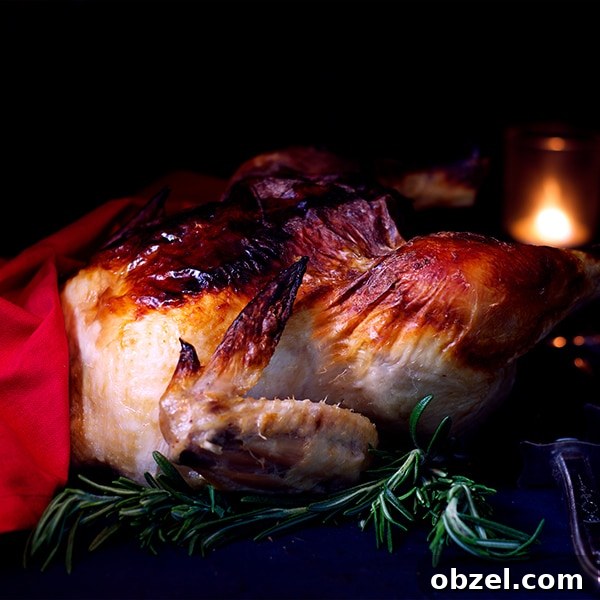
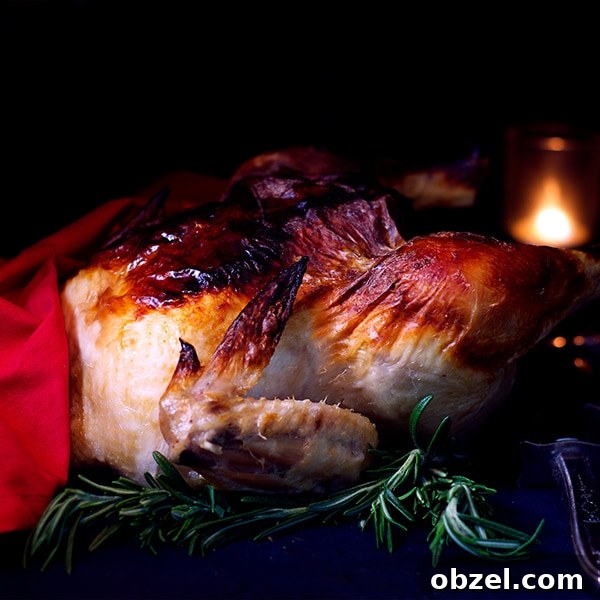
Two smart, simple methods from two acclaimed chefs for making tender, juicy, deeply flavorful roast chicken. Both approaches require very little hands-on prep time, use only a few ingredients, and deliver crisp, salty skin with moist, delicious meat.
Two Foolproof Methods for Perfect Roast Chicken
There are countless ways to roast a whole chicken. Some recipes call for high heat, others for a slower roast. You will find versions with butter, garlic, lemon, herbs, gravy, vegetables, brines, marinades, and every possible variation in between.
Some cooks swear by stuffing herbs under the skin, filling the cavity with lemon or onion, roasting the chicken breast side up, or turning it breast side down. Others prefer trussing, spatchcocking, basting, dry brining, wet brining, or cooking the bird in a skillet. Roast chicken is simple food, but it inspires a surprising number of opinions.
The good news is that most roast chicken recipes can produce a wonderful dinner as long as the chicken is not overcooked or undercooked. A properly roasted chicken is one of the most satisfying meals you can make: crisp skin, juicy meat, savory pan juices, and a comforting aroma that fills the kitchen.
After trying many different roast chicken recipes over the years, two methods continue to stand out. They are reliable, easy, and full of flavor. One is a fast, minimalist method inspired by Thomas Keller. The other is a buttermilk-marinated roast chicken inspired by Samin Nosrat. Both are excellent choices for weeknight dinners, Sunday meals, or meal prep.
- The prep time is short, usually about 5 to 10 minutes.
- The ingredient lists are minimal, with only 3 main ingredients including the chicken.
- The results are consistently tender, juicy, richly seasoned, and finished with beautifully crisp skin.
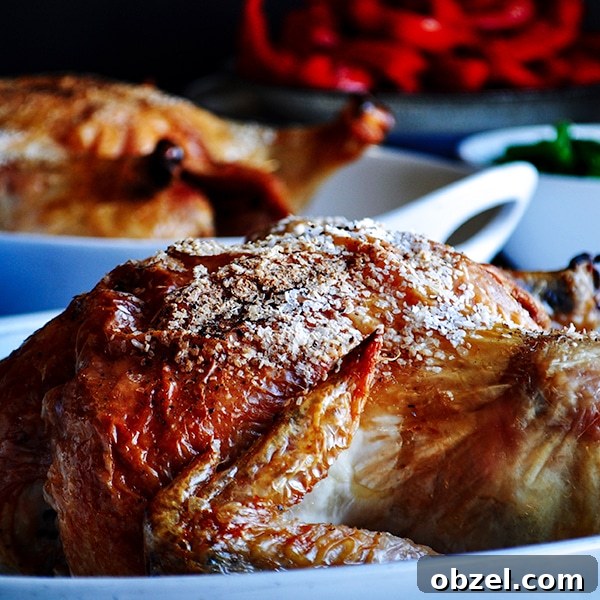
Roast Chicken, Method #1
Thomas Keller’s 5-Minute Prep Simple Roast Chicken
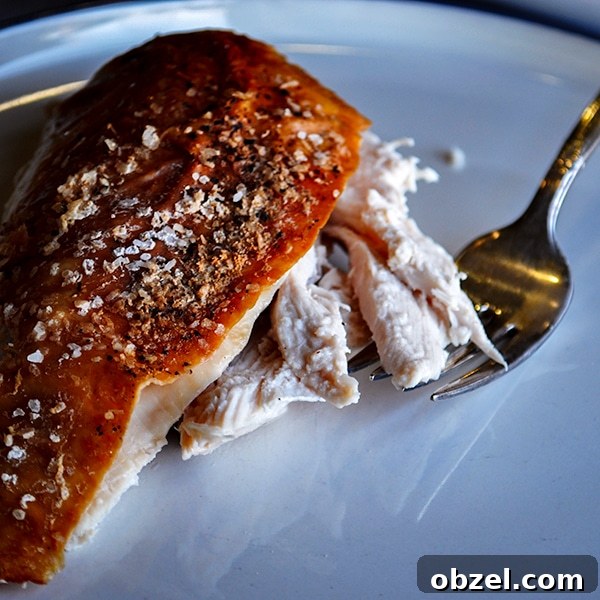
Thomas Keller’s simple roast chicken is a lesson in how powerful a few basic ingredients can be. A whole chicken, kosher salt, and black pepper are all you need. The method focuses on dry skin, generous seasoning, and high heat, which together create crisp skin and flavorful meat.
This is the method to use when you want roast chicken without planning ahead. There is no marinade and no long brining time. As long as you have a chicken, salt, pepper, and a hot oven, you can make a satisfying roast chicken dinner with very little effort.
The most important step is drying the chicken thoroughly before seasoning it. Excess moisture causes steam, and steam prevents the skin from becoming crisp. A dry surface, a generous shower of salt, and a hot oven are the keys to this straightforward roast chicken recipe.
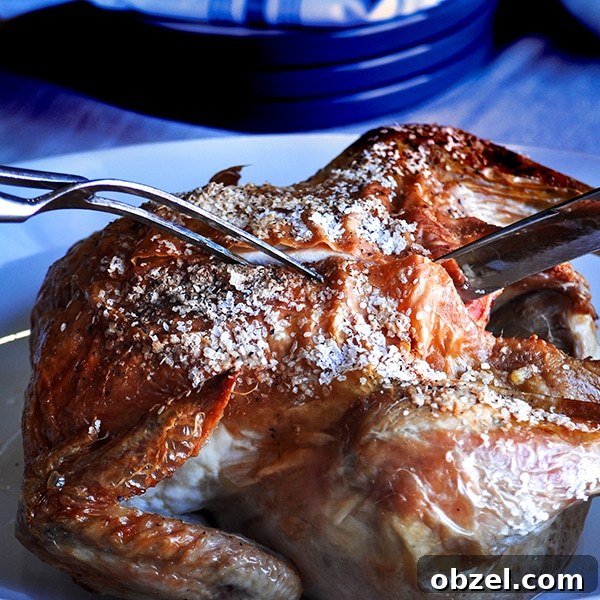
How To Make Thomas Keller’s Simple Roast Chicken
- Preheat the oven to 450°F.
- Rinse a 2- to 4-pound chicken if desired, then dry it very thoroughly with paper towels. The drier the skin, the better it will crisp in the oven.
- Season the cavity with kosher salt and ground black pepper, then place the chicken in a baking dish or roasting pan. Sprinkle the outside generously with kosher salt, followed by black pepper. The seasoning should be evenly distributed over the skin.
- Roast the chicken until an instant-read thermometer inserted into the thickest part of the thigh registers 165°F. This usually takes about 50 to 80 minutes, depending on the size of the chicken.
- Remove the chicken from the oven, baste it with the pan juices, and let it rest on a cutting board for 15 minutes.
- Carve and serve.
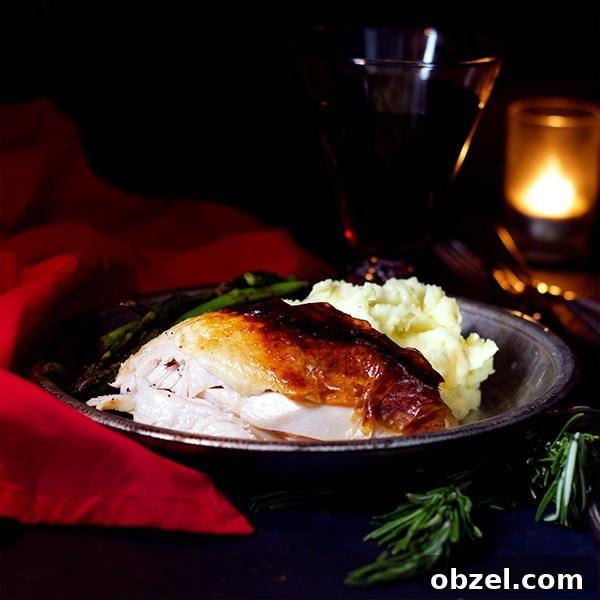
This roast chicken is excellent with a simple green salad, Dijon mustard, and a little butter. It is also delicious with mashed potatoes, roasted vegetables, or crusty bread to soak up the pan juices.
Roast Chicken, Method #2
Samin Nosrat’s Buttermilk-Marinated Roast Chicken
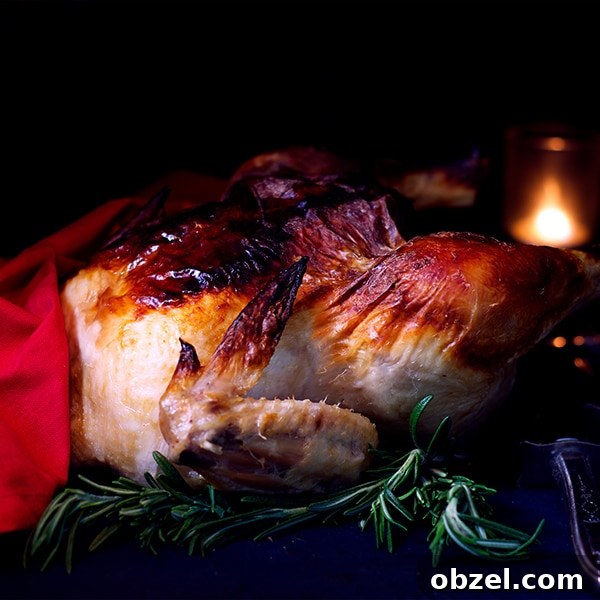
Samin Nosrat’s buttermilk-marinated roast chicken takes a little more planning, but almost no extra work. The chicken is salted, then marinated in buttermilk for about 24 hours. During that time, the salt seasons the meat, while the buttermilk helps tenderize it and encourages a deeply browned skin during roasting.
This method is ideal when you can start the day before. The marinade does most of the work while the chicken rests in the refrigerator. When it is time to cook, you simply remove the chicken from the bag, let it sit at room temperature for about an hour, and roast it.
The result is a beautifully browned roast chicken with juicy meat and a slightly tangy, savory depth of flavor. It is an excellent choice for a special family dinner, but it is easy enough for a regular weekly meal.
No buttermilk? A buttermilk substitute can be used if needed, as long as it provides a similar tangy, acidic base for the marinade.
How To Make Samin Nosrat’s Buttermilk Marinated Roast Chicken
- About 24 hours before roasting, sprinkle a 3- to 4-pound chicken generously with kosher salt and let it sit at room temperature for 30 minutes.
- Place the chicken in a zip-top bag. Stir 2 tablespoons of kosher salt into 2 cups of buttermilk, then pour the buttermilk over the chicken. Seal the bag and move the chicken around so it is coated on all sides. For extra protection against leaks, place the sealed bag inside a second bag. Refrigerate for 24 hours.
- If convenient, turn the chicken over occasionally while it marinates. If you forget, do not worry; the chicken will still roast beautifully.
- One hour before roasting, remove the chicken from the refrigerator and let it rest on the counter while still in the bag. Heat the oven to 425°F. Remove the chicken from the bag, shaking off excess buttermilk, and place it in a roasting pan.
- Roast the chicken for 20 minutes. Reduce the oven temperature to 400°F and continue roasting for another 40 to 60 minutes, depending on the size of the chicken, until the skin is browned and an instant-read thermometer inserted into the thickest part of the thigh registers 165°F.
- Remove the chicken from the oven and let it rest for 10 minutes. Then carve and serve.
Buttermilk roast chicken pairs well with bread salad, mashed potatoes, sautéed vegetables, green beans, or a bright seasonal salad. For extra richness, it can also be served with a flavored butter or a savory pan sauce.
Is it Important to Truss the Chicken Before Roasting?
Trussing is not complicated, and it can help the chicken cook more evenly. Thomas Keller favors a fully trussed chicken, while Samin Nosrat takes a simpler approach by trimming the wing tips and tying the legs together with kitchen twine.
At minimum, tying the legs together is helpful. It keeps the bird compact and encourages more even cooking, which can reduce the chance of dry breast meat before the thighs are fully cooked.
If you prefer a simple method, tuck the wings back and tie the legs together. If you want to fully truss the chicken, follow the steps below.
How to Truss a Chicken:
- Place the chicken breast side up with the legs facing you.
- Tuck the wing tips underneath the bird.
- Cut a 3-foot piece of kitchen twine and slide it under the chicken between the wings and thighs.
- Pull both ends of the twine up under the wings, drawing the ends toward the neck.
- Cross the twine at the neck, then bring the ends back toward you so the string wraps around the outside of the breast.
- Cross the twine again in front of the cavity and pull tightly.
- Loop the ends of the twine under the legs, then over the legs, crossing the string again and pulling it tight.
- Turn the chicken over and tie the twine in a knot around the tail. Trim away the excess string.
Roast More than One Chicken at a Time
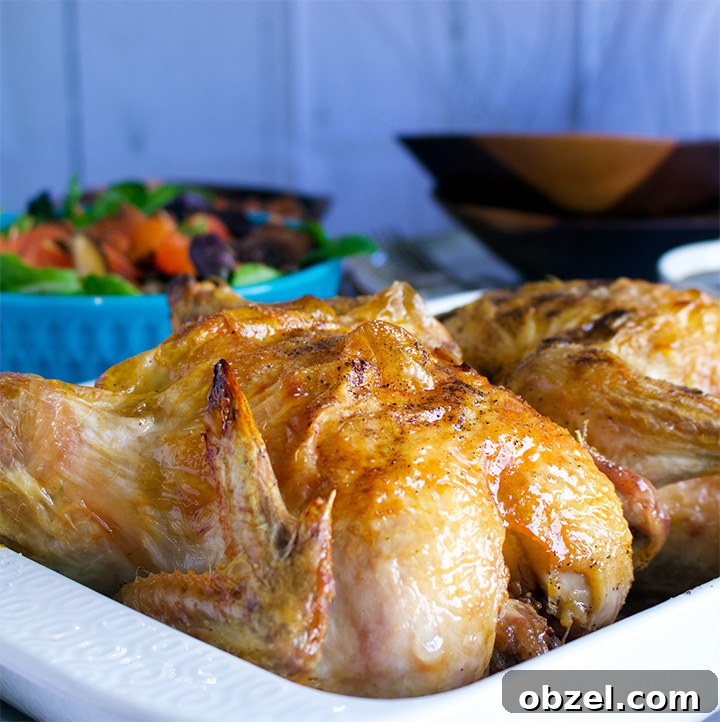
Roasting more than one chicken is a smart way to prepare meals for the week. Extra roast chicken can be used in salads, sandwiches, soups, casseroles, enchiladas, pasta, and quick dinners. Since roasting two chickens takes only slightly more effort than roasting one, it is often worth doing.
If you roast multiple chickens, avoid crowding them in one small pan. Each bird needs space around it so hot air can circulate and the skin can brown properly. Use separate baking dishes or a large roasting pan if needed.
After dinner, remove the leftover meat from the bones and store it in the refrigerator or freezer. The bones can be simmered with water to make a simple homemade chicken broth, giving you both cooked chicken and a flavorful base for future meals.
17 Recipes That Use Leftover Roast Chicken
- Spinach Artichoke Chicken Casserole
- 30-Minute Chicken Soup
- Chicken Lettuce Wraps
- Dutch Oven Pot Pie
- Creamy Chicken Chili
- Cheese Enchilada Casserole
- Crispy Corn Tortilla Quesadillas
- Roast Chicken Salad with Lemon Vinaigrette and Sesame Crunch
- Creamy Chicken Noodle Soup with Garlic and Mushrooms
- 20-Minute Garlic Chipotle Pasta with Chicken
- Chili Chicken Nachos with Chimichurri Sauce
- Open Face Chicken Salad Sandwiches
- Chicken Chopped Salad
- Enchiladas Verdes
- Creamy Chicken and Rice
- Chicken Tortilla Soup
- Chicken Salad Niçoise
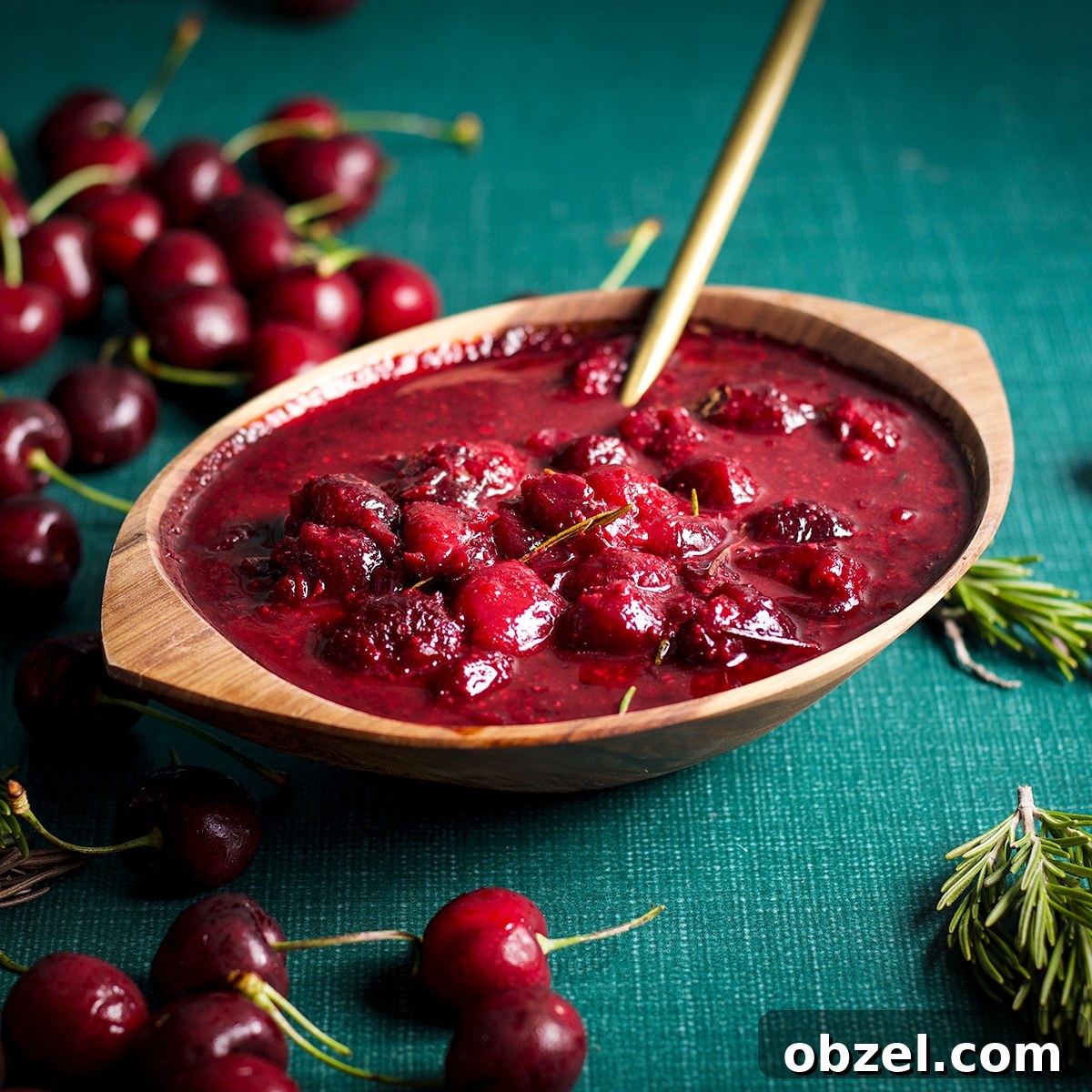
For a more elegant presentation, roast chicken can also be served with a savory fruit sauce, a simple pan sauce, or softened butter seasoned with herbs or miso.
If you try this roast chicken recipe, share how it turned out. A rating, comment, or photo is always appreciated.
📖 Recipe
How to Roast Chicken {2 Foolproof Methods}
10 minutes
1 hour 30 minutes
1 hour 40 minutes
Ingredients
Method #1: Simple Roast Chicken
- One 3- to 4-pound chicken
- Kosher salt and ground black pepper
Method #2: Buttermilk-Marinated Roast Chicken
- One 3- to 4-pound chicken
- Kosher salt
- 2 cups buttermilk
Instructions
Method #1: Simple Roast Chicken
- Preheat the oven to 450°F.
- Rinse the chicken if desired, then dry it thoroughly with paper towels. Dry skin is essential for crisp roasted skin.
- Season the cavity with kosher salt and black pepper. Place the chicken in a baking dish, then sprinkle the outside generously and evenly with kosher salt and pepper.
- Roast until an instant-read thermometer inserted into the thickest part of the thigh registers 165°F, about 50 to 80 minutes depending on the size of the chicken.
- Remove from the oven, baste with the pan juices, and rest on a cutting board for 15 minutes.
- Carve and serve.
Method #2: Buttermilk-Marinated Roast Chicken
- About 24 hours before roasting, sprinkle the chicken generously with kosher salt and let it sit at room temperature for 30 minutes.
- Place the chicken in a zip-top bag. Stir 2 tablespoons of kosher salt into 2 cups of buttermilk, then pour the buttermilk over the chicken. Seal the bag and turn the chicken to coat it well. Place the bag in the refrigerator.
- If possible, turn the chicken over occasionally while it marinates. If not, the recipe will still work well.
- One hour before cooking, remove the chicken from the refrigerator and let it rest on the counter while still in the bag. Heat the oven to 425°F. Remove the chicken from the bag, shake off excess buttermilk, and place it in a roasting pan.
- Roast for 20 minutes, then reduce the oven temperature to 400°F. Continue roasting for 40 to 60 minutes, until browned and an instant-read thermometer inserted into the thickest part of the thigh registers 165°F.
- Remove from the oven and rest for 10 minutes. Then carve and serve.
Notes
If you do not have buttermilk, use a suitable buttermilk substitute with a similar tangy flavor and acidity.
For the best roast chicken, avoid overcrowding the pan and always check doneness with an instant-read thermometer.
Nutrition Information:
Nutrition information is not calculated for this recipe.