Remote work has changed the way people think about home. What began as a short-term response for many employers has become a lasting part of modern work life for millions of professionals. As daily commutes became less important, homebuyers started focusing on comfort, flexibility, internet reliability, and space for productivity. These changing priorities continue to influence the real estate market, affecting where people buy, what features they value, and how sellers prepare their homes for listing.
For buyers, a home is no longer just a place to relax after work. It may also be an office, a meeting room, a gym, a classroom, and a retreat. For sellers and real estate professionals, understanding how remote work affects homebuyer preferences is essential in a competitive housing market.
The Remote Work Revolution
Before 2020, regular work-from-home arrangements were less common for many employees. Today, hybrid and fully remote roles are widely accepted across a range of industries. This shift has reduced the need for many buyers to live close to a corporate office, opening the door to new locations and different types of homes.
Instead of prioritizing a short commute, buyers are now asking whether a property supports their daily routine. They want spaces where they can focus, take video calls, store work materials, and separate professional life from personal life. As a result, remote work has become one of the most important forces shaping homebuyer demand.
1. Location Priorities Are Shifting
One of the biggest changes in buyer behavior is the willingness to look beyond traditional employment centers. Without the need to commute every day, many buyers are expanding their searches to suburban, rural, and even out-of-state markets. Larger homes, lower housing costs, bigger yards, and a quieter lifestyle can be strong incentives for remote workers.
Some buyers are also considering climate, access to nature, local taxes, and overall quality of life more carefully than before. A location that once seemed too far from the office may now be practical if the buyer only needs to commute occasionally or not at all. This flexibility has reshaped demand in many housing markets and has made lifestyle a central part of the buying decision.
2. Demand for Dedicated Home Offices
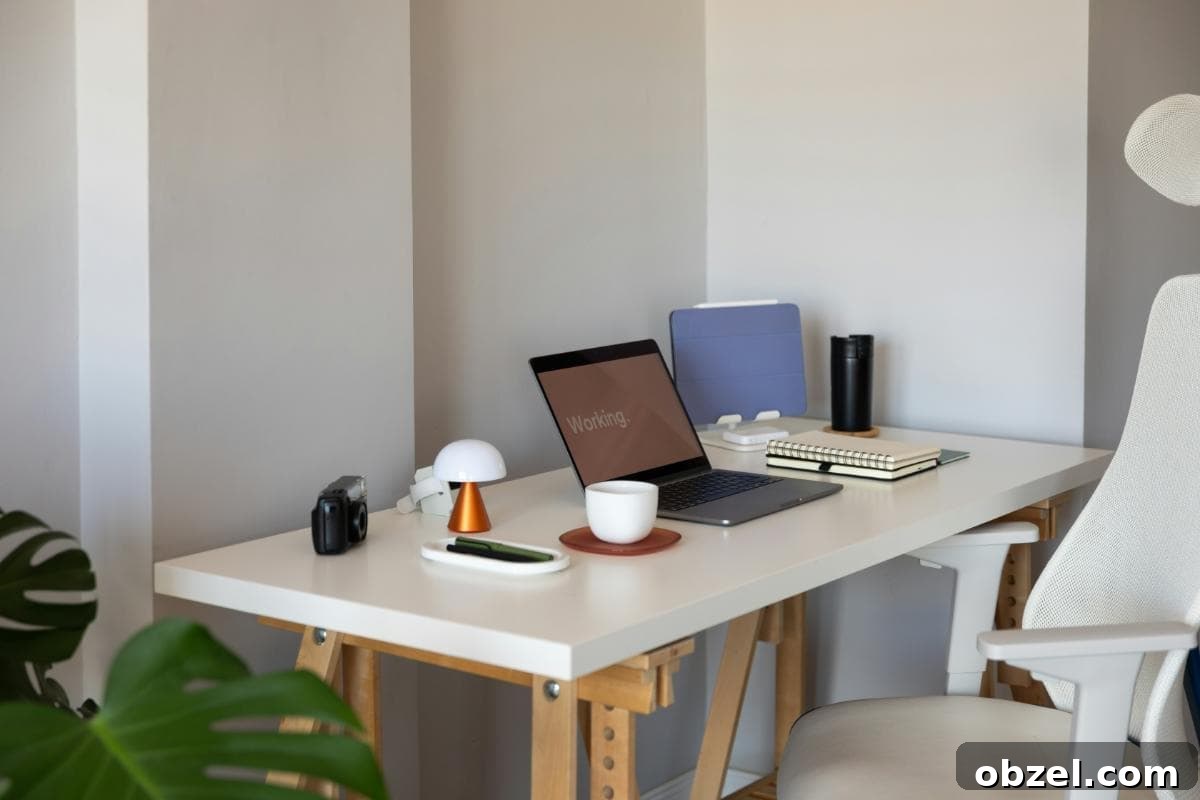
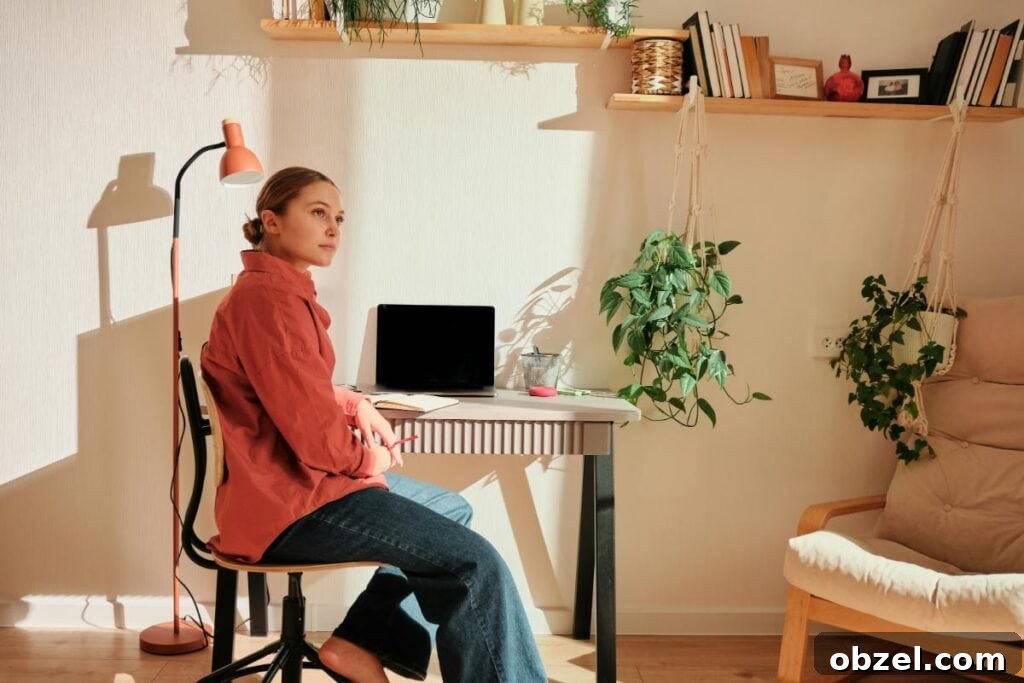
A dedicated home office has become one of the most desirable features for remote work buyers. Early in the remote work transition, many people used kitchen tables, bedrooms, or temporary setups. Over time, buyers began looking for homes with spaces designed for privacy, comfort, and concentration.
- Separate rooms with doors for privacy
- Built-in shelving and practical storage
- Strong natural lighting
- Quiet spaces suitable for video meetings
- Enough room for desks, monitors, and office equipment
In households with more than one remote worker, buyers may prefer two office areas. Even a small den, loft, finished basement, or converted guest room can add value when it is presented as a functional workspace.
3. Importance of High-Speed Internet
Reliable high-speed internet is now a must-have for many buyers. Remote workers depend on stable connections for video calls, file sharing, online meetings, and cloud-based tools. A beautiful home may lose appeal if the internet service is weak or unreliable.
Properties with access to fast internet service can stand out, especially in suburban or rural areas where connectivity may vary. Sellers can benefit from clearly highlighting available providers, connection types, and internet performance when marketing a home. For remote workers relocating from urban areas, internet access can be just as important as square footage or location.
4. Preference for Larger Homes and Flexible Spaces
As people spend more time at home, many buyers are seeking additional square footage. Larger homes can make it easier to separate work, relaxation, exercise, and family activities. However, size is not the only factor. Buyers also want flexible layouts that can adapt to changing needs.
A guest bedroom may double as an office. A finished basement may become a workout room or media space. A dining room may serve as a study area during the week. Homes that offer adaptable rooms often appeal to buyers who want long-term functionality, especially if their work arrangements continue to evolve.
5. Outdoor Living Spaces
Remote work has increased interest in outdoor living areas. Buyers often value patios, decks, balconies, gardens, and landscaped yards because they provide a welcome change of scenery during the day. A comfortable outdoor space can serve as a place for coffee breaks, casual reading, family time, or relaxation after work.
For sellers, outdoor areas do not need to be elaborate to make an impact. Clean seating areas, tidy landscaping, shade, and good maintenance can help buyers imagine how the space would fit into their daily routine.
6. Emphasis on Wellness and Comfort
Because remote workers spend more hours at home, wellness and comfort have become more important in the homebuying process. Buyers are paying closer attention to lighting, air quality, noise levels, and overall atmosphere. A home that feels calm, bright, and comfortable can be more appealing than one that simply offers a convenient location.
- Energy-efficient windows
- Improved ventilation systems
- Ample natural light
- Quiet neighborhoods
- Comfortable heating and cooling
These features support both productivity and relaxation. Natural light, for example, can make an office feel more inviting, while a quiet environment can improve focus during meetings and deep work.
7. Proximity to Amenities and Lifestyle Options
Even though commuting may be less important, buyers still care about convenience and lifestyle. Many remote workers want homes near parks, walking trails, cafes, fitness centers, shops, and community spaces. Since they may spend more time in their local neighborhood, the surrounding area plays a larger role in their decision.
In smaller towns and suburban communities, access to everyday amenities can be a major selling point. Buyers may also look for neighborhoods that offer a strong sense of community, safe walking routes, and places to unwind away from the home office.
8. Impact on Urban vs. Suburban Markets
Remote work has affected urban, suburban, and rural housing markets in different ways. Some buyers have left dense city centers in search of more space and privacy. This has increased competition in certain suburban and rural areas, especially where homes offer larger lots and practical layouts.
At the same time, urban markets continue to attract buyers who value dining, entertainment, culture, public transportation, and walkability. For many remote workers, city living still offers a lifestyle they prefer. The key difference is that buyers now have more freedom to choose based on personal priorities rather than daily office access alone.
9. Rising Interest in Multi-Generational Homes
Remote work has also contributed to interest in multi-generational living. When families are less tied to office locations, they may be more open to homes that accommodate parents, adult children, or extended family members. Properties with separate living areas, in-law suites, extra bedrooms, or private entrances can offer flexibility and privacy.
These arrangements may support shared childcare, elder care, or household expenses. For buyers thinking long term, a home that can adapt to family needs may be especially attractive.
10. Sellers Adjusting to New Buyer Demands
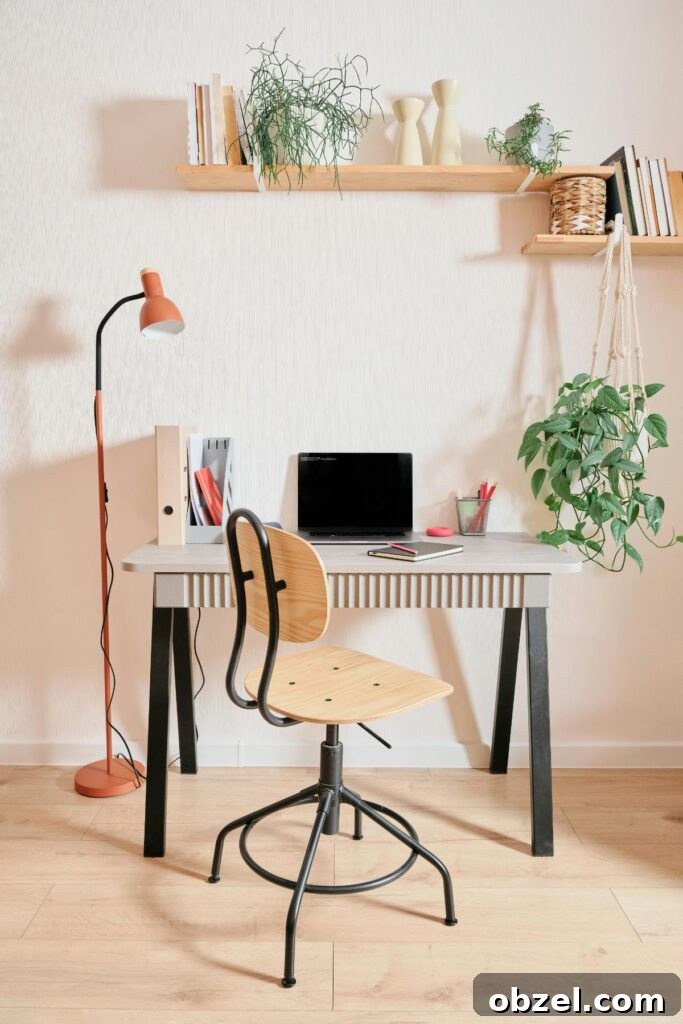
Sellers can benefit by presenting their homes in a way that speaks directly to remote work buyers. A spare bedroom can be staged as a home office. A quiet corner can be shown as a reading or work nook. Fast internet access, flexible rooms, and outdoor living areas should be clearly highlighted in listing descriptions and showings.
For homeowners hoping to sell their house fast, appealing to remote workers may help broaden the buyer pool. Simple updates, thoughtful staging, and clear marketing can make it easier for buyers to see how the home supports both work and everyday life.
The Role of Technology in the Buying Process
Remote work has also changed how buyers search for homes. Virtual tours, video walkthroughs, detailed photos, and online consultations have become common parts of the buying process. Buyers relocating from another city or state may rely heavily on digital tools before deciding whether to visit a property in person.
High-quality visual marketing can help sellers reach remote workers who are exploring new locations. Clear images of office spaces, flexible rooms, internet-ready areas, and outdoor features can make a listing more effective.
Preparing a Home for the Remote Work Buyer
If you are preparing to sell, consider small improvements that make your home more appealing to people who work remotely:
- Upgrade lighting in rooms that could function as offices
- Add accessible power outlets where possible
- Improve or clearly document internet options
- Create clean, inviting outdoor spaces
- Showcase quiet areas ideal for focused work
- Declutter rooms so buyers can see their potential uses
These steps can help buyers understand how the property fits a modern work-from-home lifestyle. Even modest changes can make a home feel more practical and move-in ready.
Final Thoughts
Remote work has reshaped the housing market by changing what buyers value most. Dedicated office space, reliable internet, flexible layouts, outdoor areas, and comfortable living environments are now major priorities for many homebuyers. Location still matters, but the reasons behind location choices have become more personal and lifestyle-focused.
For sellers, recognizing these changes can make a meaningful difference. A home that supports productivity, comfort, and flexibility is well positioned for today’s buyers. Whether selling through a traditional listing or trying to sell quickly, highlighting features that appeal to remote workers can help a property stand out in a competitive market.