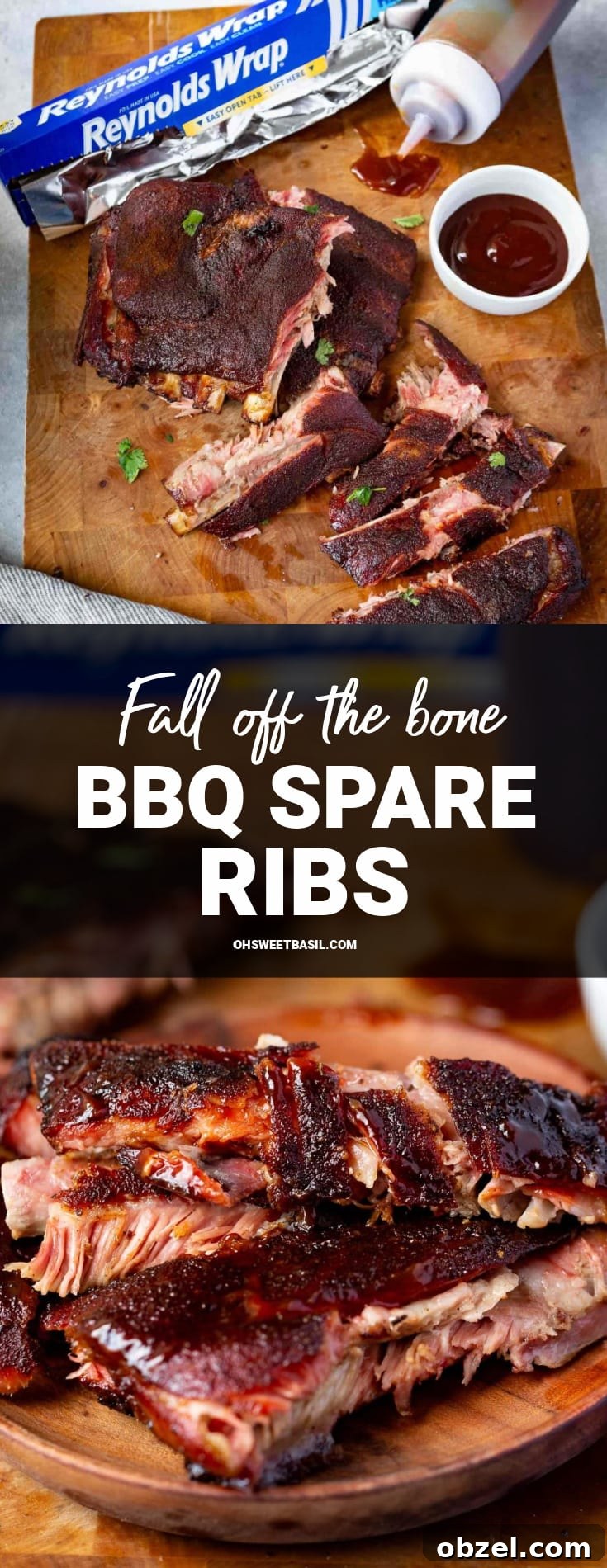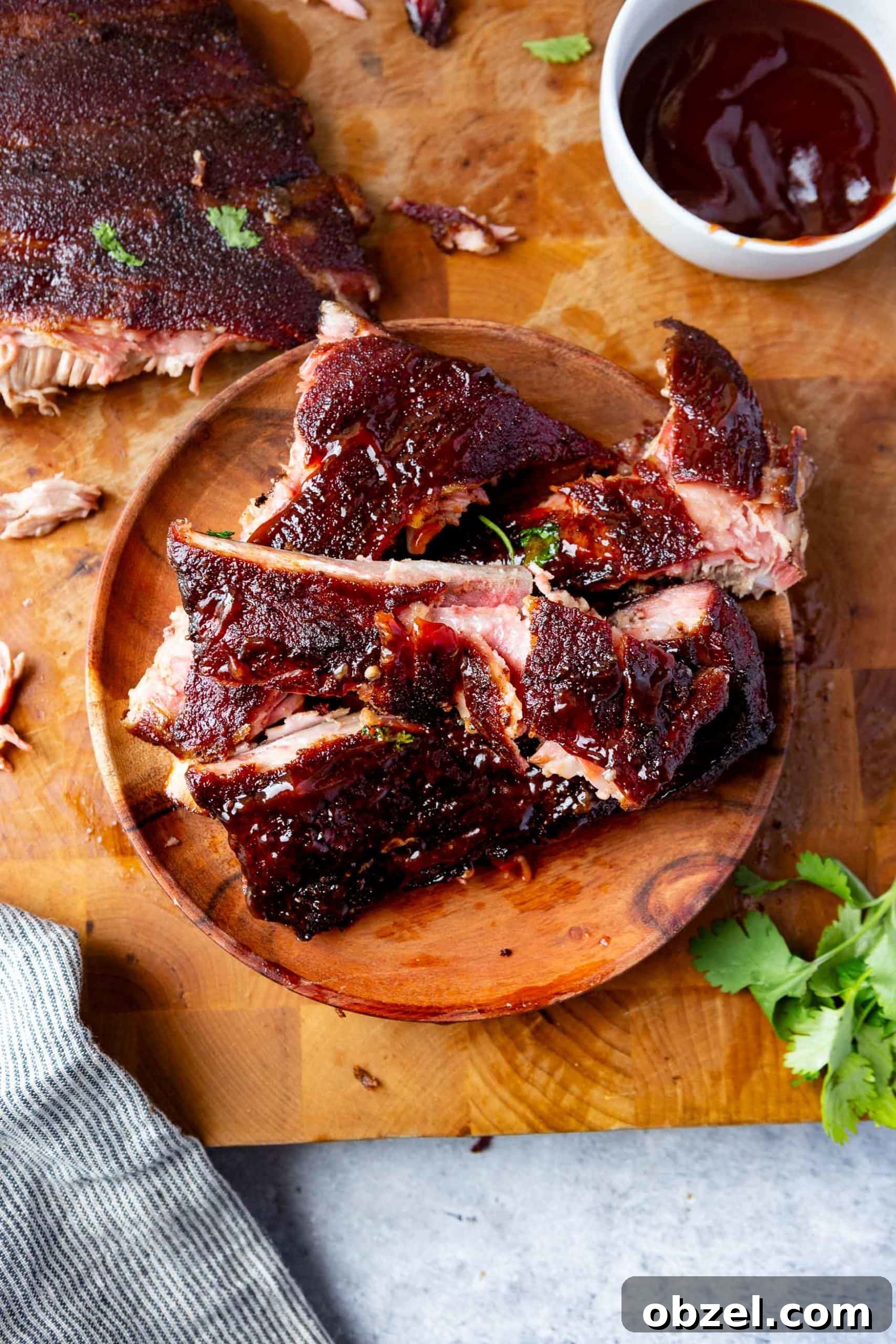
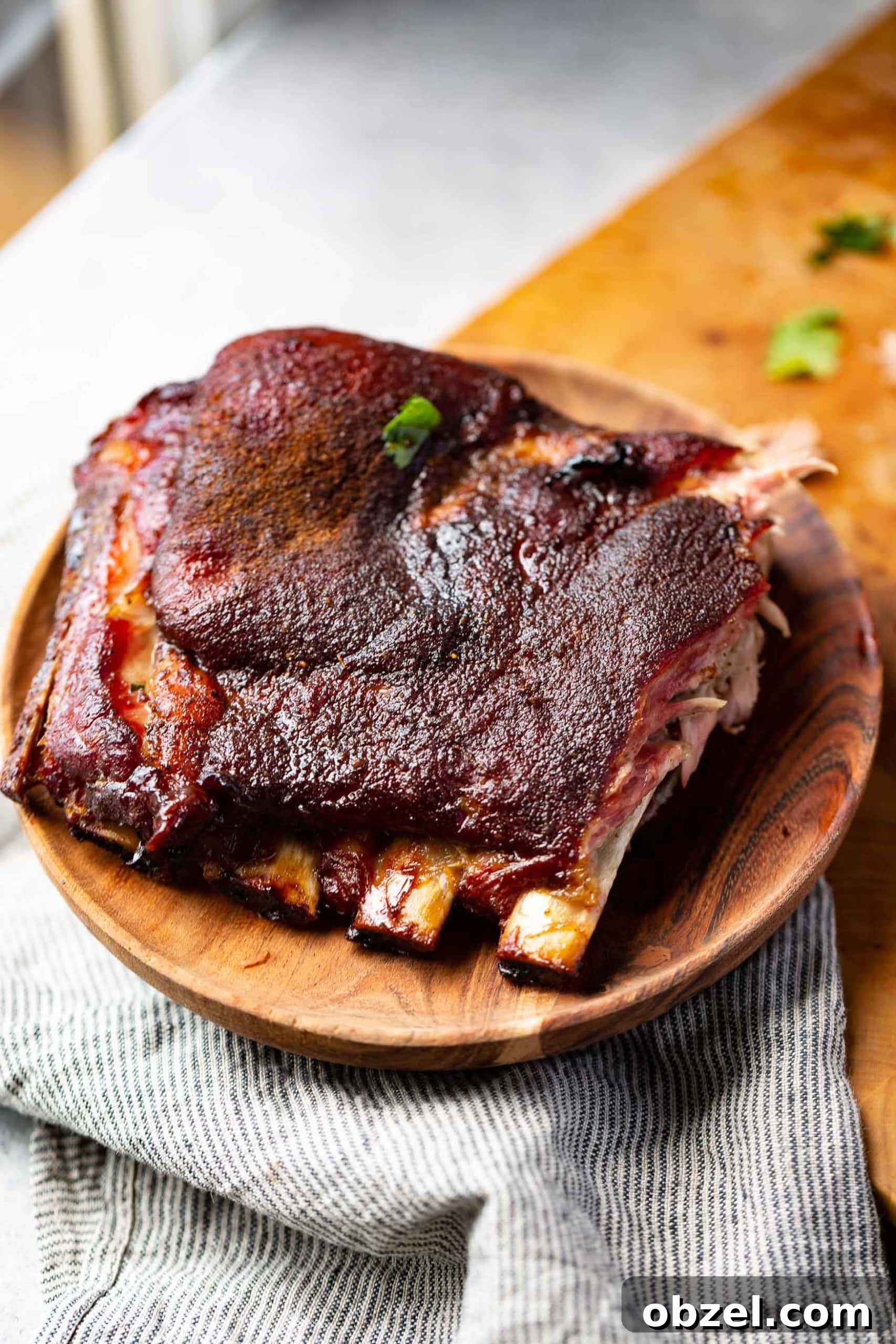
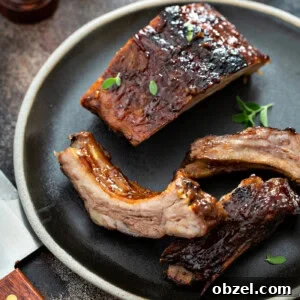
These fall-off-the-bone BBQ spare ribs are simple, tender, juicy, and made for summer grilling. The secret is cooking them low and slow, then wrapping the ribs in Reynolds Wrap® Heavy Duty Foil so the meat stays moist while it finishes cooking.
I’m excited to share this easy BBQ ribs method because it takes the stress out of grilling ribs at home. Spare ribs can seem intimidating, but with the right cut of meat, a flavorful dry rub, steady heat, and heavy duty foil, you can make grilled ribs that are tender enough to pull apart with very little effort.
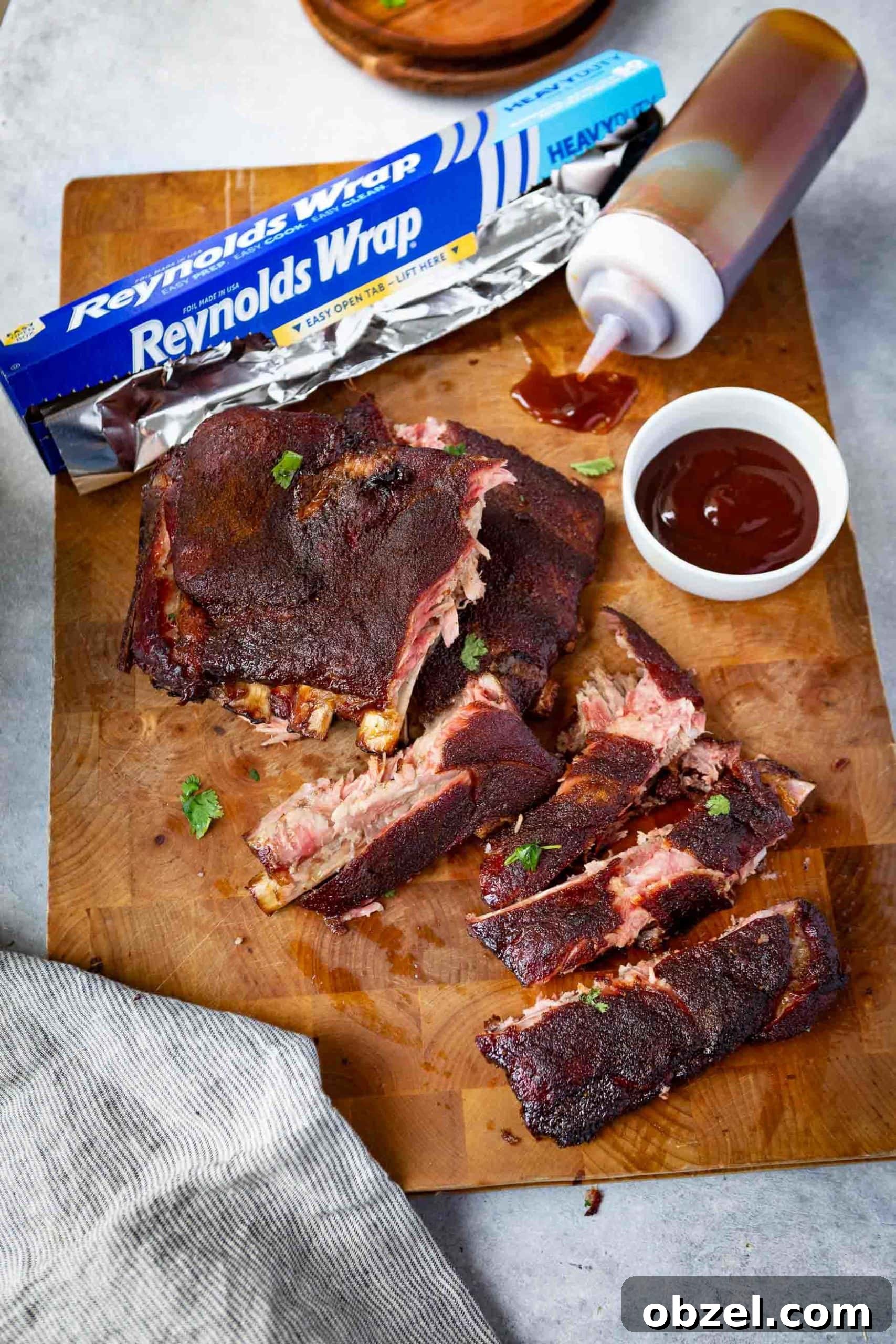
Ribs have always been a summer favorite in our family, but for a long time we struggled to get them just right. We wanted BBQ spare ribs that were deeply seasoned, juicy, and tender enough for the bones to slip out cleanly. The answer turned out to be a patient grilling method and a reliable foil wrap that keeps the ribs from drying out.
3 Secrets to Fall-Off-the-Bone Ribs
There are three important things that help guarantee tender grilled spare ribs every time.
- Choose spare ribs. Baby back ribs are popular and meaty, but spare ribs and St. Louis style ribs tend to become especially tender with low and slow cooking.
- Use Reynolds Wrap® Heavy Duty Foil. Wrapping the ribs in heavy duty foil traps moisture and helps the meat finish cooking gently, almost like a steam environment on the grill.
- Give the ribs enough time. Time is essential. The ribs need several hours to cook slowly and become tender, and the connective tissue needs time to break down so the meat pulls away from the bone.
What Ingredients Are Needed for Grilled Spare Ribs?
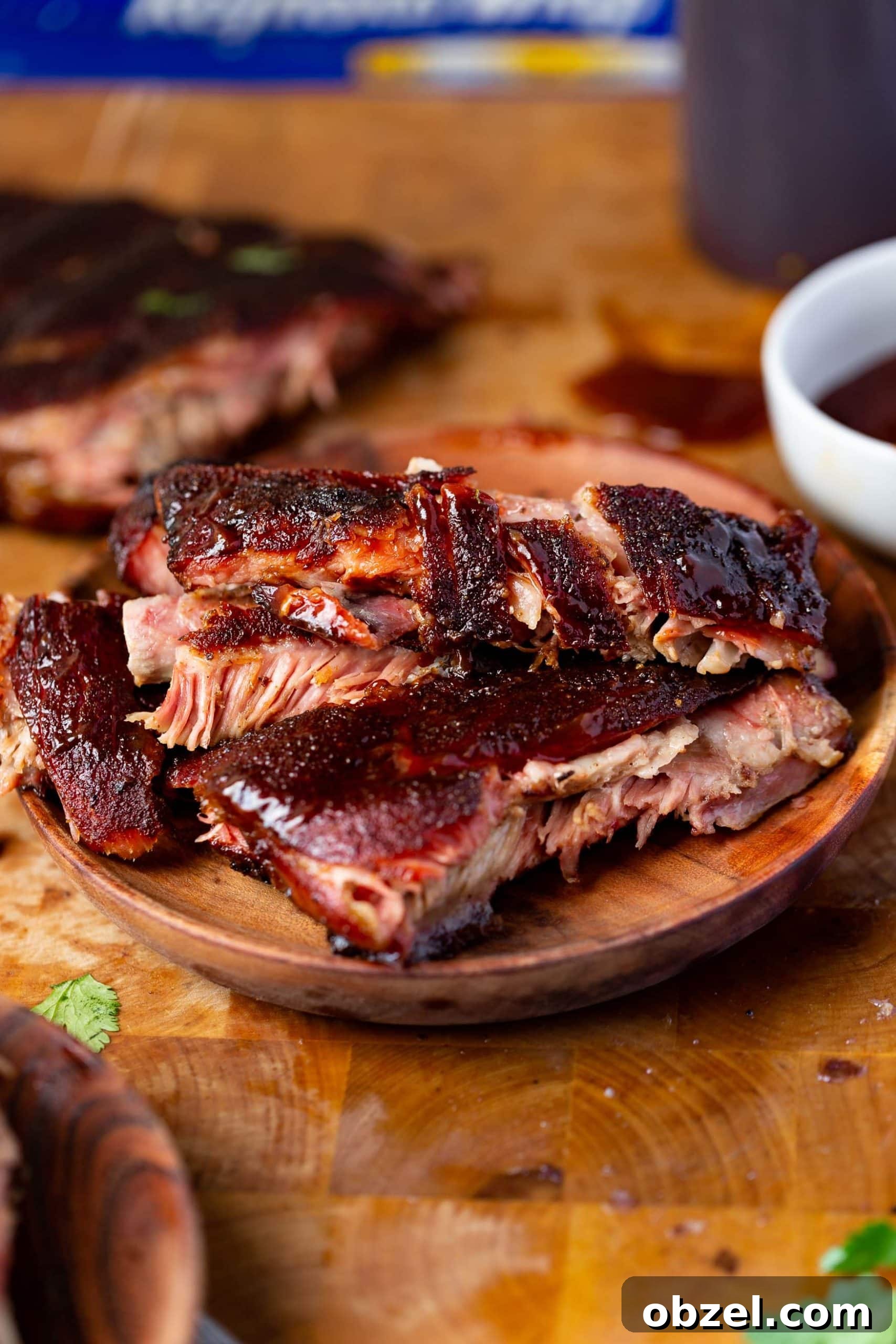
These easy grilled spare ribs use a homemade spice rub, a simple mustard mixture, and Reynolds Wrap® Heavy Duty Foil to help lock in moisture. The ingredient list is straightforward, and most of the seasonings are pantry staples.
Rub
- Kosher salt
- Brown sugar
- Pepper
- Garlic powder
- Onion powder
- Chili powder
- Smoked paprika
- Thyme
- Cumin
- Nutmeg
Ribs
- Spare ribs or St. Louis style pork ribs
- Apple juice
- Apple cider vinegar
- Mustard
- Reynolds Wrap® Heavy Duty Foil
The full measurements are included in the recipe card below.
How to Make Grilled Spare Ribs
This method is simple: prep the meat, season it well, grill it low and slow, then wrap it in foil until the ribs are perfectly tender. The process takes time, but most of it is hands-off.
Meat
Start with good-quality pork spare ribs or St. Louis style ribs. Spare ribs are a great choice for this recipe because they become tender and flavorful when cooked slowly over indirect heat.
Before seasoning, check the underside of the ribs. If the membrane is still attached, remove it. The membrane is a thin layer of tissue on the back of the ribs, and it can stay tough even after cooking. To remove it, slide a knife under one edge, lift it slightly, then grab it with a paper towel and pull it away.
Next, mix the mustard, apple juice, and apple cider vinegar in a small bowl. Spread this mixture over the ribs. It helps the dry rub cling to the meat and adds a little tangy flavor.
Pro Tip
If you are short on time, you can skip the wet mixture and use only the dry rub. The ribs will still be flavorful, but the mustard mixture adds an extra layer of seasoning.
Dry Rub
Combine the dry rub ingredients in a jar and shake until evenly mixed. Label the jar with the date. Homemade dry rub is best used within about two months.
Massage the rub over the ribs, coating the meat evenly. You do not need to use all of the rub. In fact, more seasoning is not always better. A good rule of thumb is to use the amount that naturally sticks to the ribs after rubbing it in. Save the remaining spice blend for another batch of grilled ribs.
Grill
Heat the grill to 225 degrees F. For the best BBQ spare ribs, use indirect heat. If your grill allows it, light only part of the burners and place the ribs on the side where the burners are off. Close the lid and keep the temperature as steady as possible.
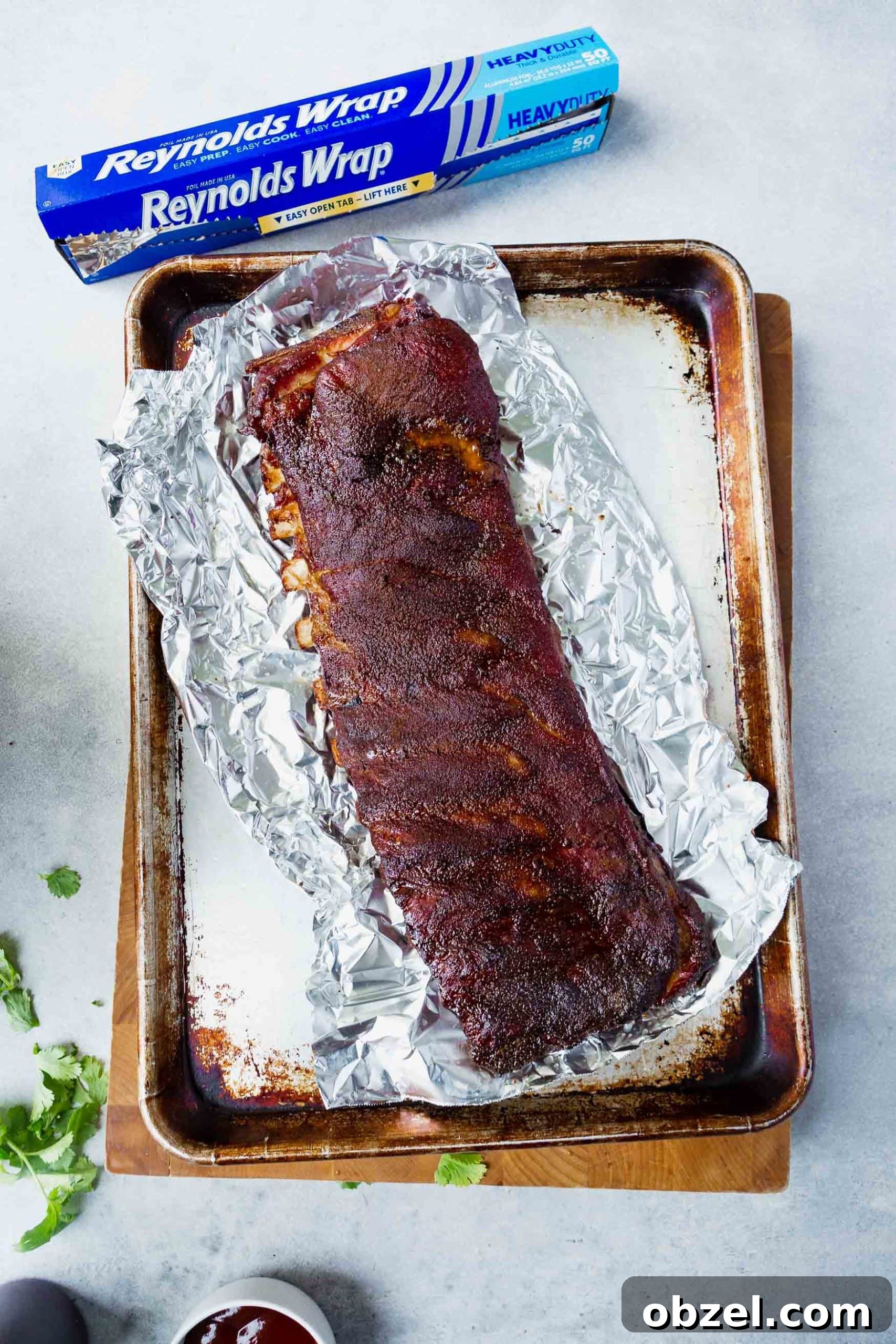
Cook the ribs for 4 hours, checking every 30 to 60 minutes to make sure the grill stays close to 225 degrees F. After the first stage of cooking, wrap the ribs in Reynolds Wrap® Heavy Duty Foil. This helps the meat continue cooking without drying out and keeps the juices close to the ribs.
Return the wrapped ribs to the grill and cook for another 1 to 3 hours, depending on the thickness of the meat. The ribs are done when they bend easily when lifted with tongs and the bones feel loose in the meat.
Pro tip: To test doneness, lift the ribs gently with tongs. If the rack bends and begins to crack slightly, and the meat looks like it is pulling away from the bones, the ribs are ready.
Why Use Heavy Duty Foil?
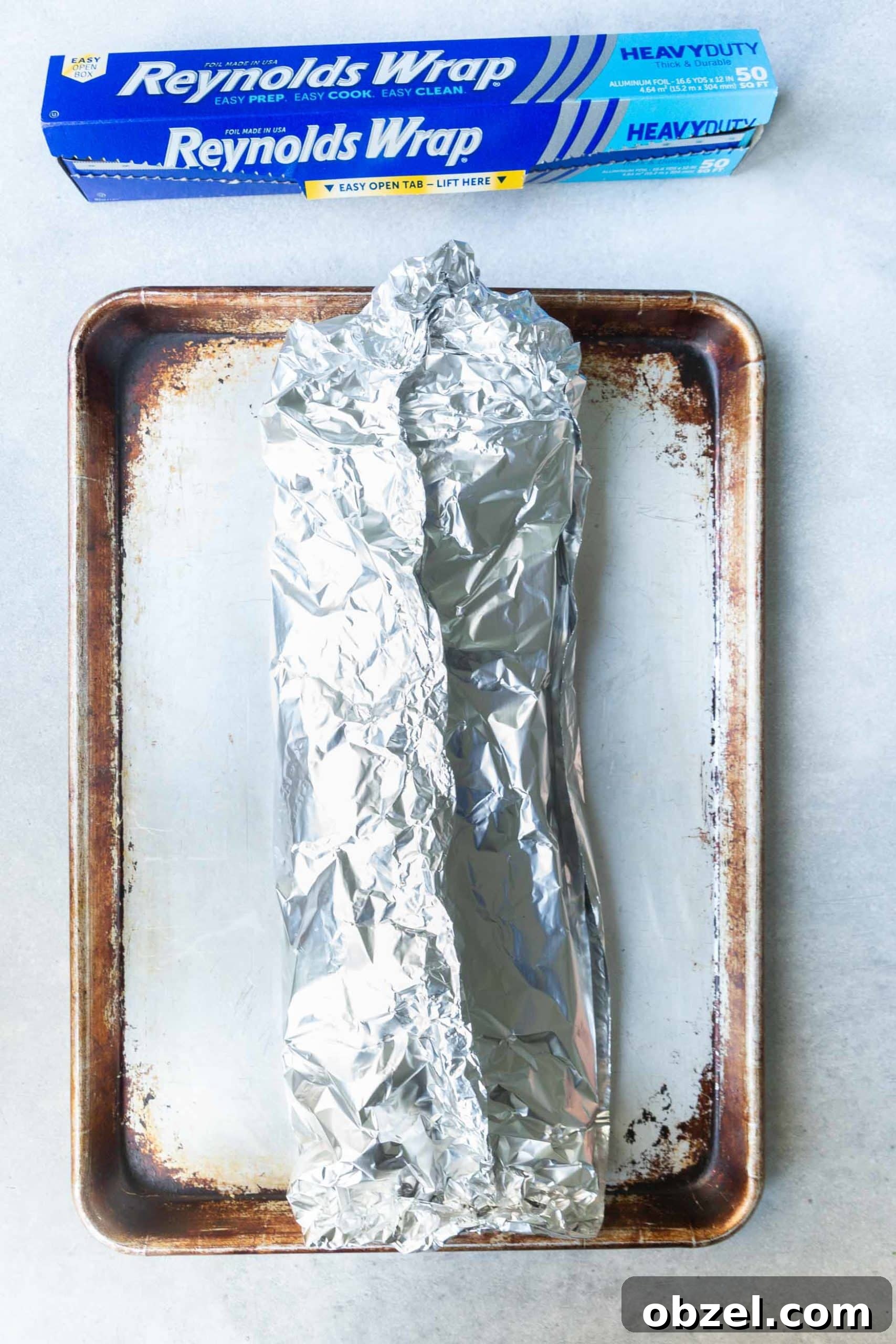
Heavy duty foil is especially helpful for grilling ribs because it is thicker and more durable than standard foil. It holds up well with heavier foods like ribs and helps prevent leaks or tears while the meat cooks.
Wrapping the ribs also makes cleanup easier. Place the ribs in the center of the foil, bring the sides up, and fold the edges together at the top to seal in the moisture. Reynolds Wrap® Heavy Duty Foil is also available in a wider roll, which is convenient for larger racks of ribs.
What Type of Ribs Is Best?
Spare ribs or St. Louis style ribs are the best choice for this low and slow BBQ ribs recipe. Baby back ribs can be used if that is what you have, but spare ribs are a reliable option when you want tender, fall-off-the-bone results.
Can Spare Ribs Be Made Ahead of Time?
Ribs are best served fresh from the grill, but they can be made a few hours ahead. To keep them warm, wrap the ribs in foil, then wrap them in two towels and place them in a cooler until you are ready to eat.
Can You Make Ribs in a Slow Cooker?
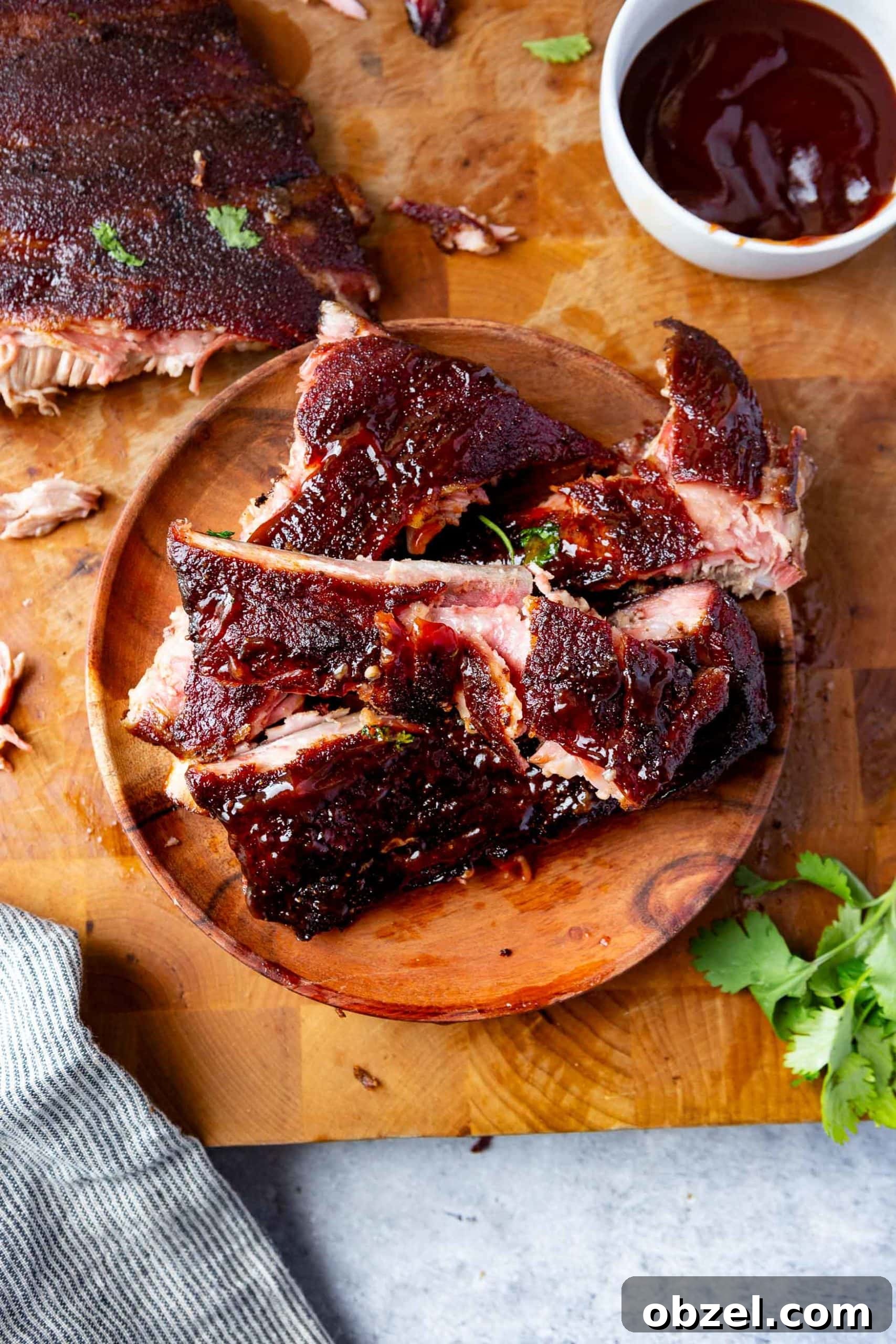
Yes, ribs can be made in a slow cooker. Season the ribs with your favorite rub, then cook them covered on high for 4 hours or on low for 8 hours. When the ribs are tender and nearly falling off the bones, carefully remove them and brush with BBQ sauce if desired.
What Is the Membrane on Ribs?
The membrane is a thin layer of tissue attached to the underside of the ribs. It does not soften much during cooking and can be tough to chew, so it is best to remove it before seasoning and grilling the ribs.
How Long Will Ribs Last?
Cooked ribs should be stored in an airtight container in the refrigerator. They will keep for 4 to 5 days.
Once you learn this low and slow method, grilled spare ribs become much easier. With a flavorful dry rub, steady heat, and a tight foil wrap, you can make tender BBQ ribs that are juicy, savory, and perfect for backyard meals.
More Ribs Recipes You Should Try
- Traeger Smoked Ribs
- Smoky BBQ Instant Pot Ribs
- Instant Pot Country Style Ribs
- Easy Beef Short Ribs
- Sticky Instant Pot Bone-In Beef Short Ribs
- Asian Sticky Slow Cooker Ribs
- Mustard Carolina BBQ Sauce Instant Pot Beef Short Ribs
- Korean Oven Braised Short Ribs
- Blackberry Hoisin BBQ Ribs
Easy BBQ Ribs
Prep Time: 10 minutes
Cook Time: 7 hours
Total Time: 7 hours 10 minutes
Servings: 4
Ingredients
Rub
- 1/4 cup kosher salt
- 2 tablespoons brown sugar
- 1 tablespoon pepper
- 1 1/2 teaspoons garlic powder
- 1 1/2 teaspoons onion powder
- 1 tablespoon chili powder
- 1 tablespoon smoked paprika
- 1 teaspoon thyme
- 1 1/2 teaspoons cumin
- 1 pinch nutmeg
Ribs
- 1 rack pork spare ribs or St. Louis style ribs
- 1/4 cup mustard
- 1/4 cup apple juice
- 1/4 cup apple cider vinegar
- Reynolds Wrap® Heavy Duty Foil
Instructions
For the Rub
- Combine the kosher salt, brown sugar, pepper, garlic powder, onion powder, chili powder, smoked paprika, thyme, cumin, and nutmeg in a jar.
- Seal the jar and shake well until the rub is evenly mixed. Label the jar with the date. Store any unused rub for another batch of ribs.
For the Ribs
- Turn the ribs over. Use a knife to lift one edge of the silver skin, then grab it with a paper towel and pull off the membrane.
- In a small bowl, mix the mustard, apple juice, and apple cider vinegar.
- Spread the mustard mixture over the ribs, then season evenly with the dry rub. Do not use all of the rub; save the extra for later.
- Heat the grill to 225 degrees F. Use indirect heat if possible.
- Place the ribs on the grill away from direct flame. Close the lid and cook for 4 hours, checking every 30 to 60 minutes to maintain the temperature.
- Wrap the ribs tightly in Reynolds Wrap® Heavy Duty Foil and return them to the grill.
- Cook for an additional 1 to 3 hours, depending on the thickness of the ribs.
- Test doneness by lifting the ribs with tongs. The rack should bend easily, the bones should feel loose, and the meat should begin to pull apart.
- If needed, keep the ribs warm by wrapping them in foil, then in two towels, and placing them in a cooler until serving.
Oven Baked Method
- If you do not have access to a grill, prepare the ribs as directed above.
- Heat the oven to 275 degrees F.
- Wrap the ribs tightly in Reynolds Wrap® Heavy Duty Foil and place them on a baking sheet.
- Bake the ribs meat-side up for 3 1/2 to 4 hours.
- Remove the ribs from the foil, increase the oven temperature to 500 degrees F, and cook for 1 to 4 minutes, just until the outside becomes crisp.
Recipe Notes
Grilled ribs will keep in a tightly covered dish in the refrigerator for 4 to 5 days.
Nutrition
Serving: 3 ribs, Calories: 699 kcal, Carbohydrates: 13 g, Protein: 37 g, Fat: 55 g, Saturated Fat: 17 g, Cholesterol: 182 mg, Sodium: 7474 mg, Potassium: 745 mg, Fiber: 3 g, Sugar: 8 g, Calcium: 85 mg, Iron: 4 mg.
Nutrition information is automatically calculated and should be used as an approximation.