This post explains how to clean mold in shower grout naturally using vinegar and baking soda.
You do not always need harsh commercial cleaners to deal with a moldy shower. For small areas of mold on grout, a simple natural cleaning method can be effective, affordable, and easy to do with ingredients you may already have at home.
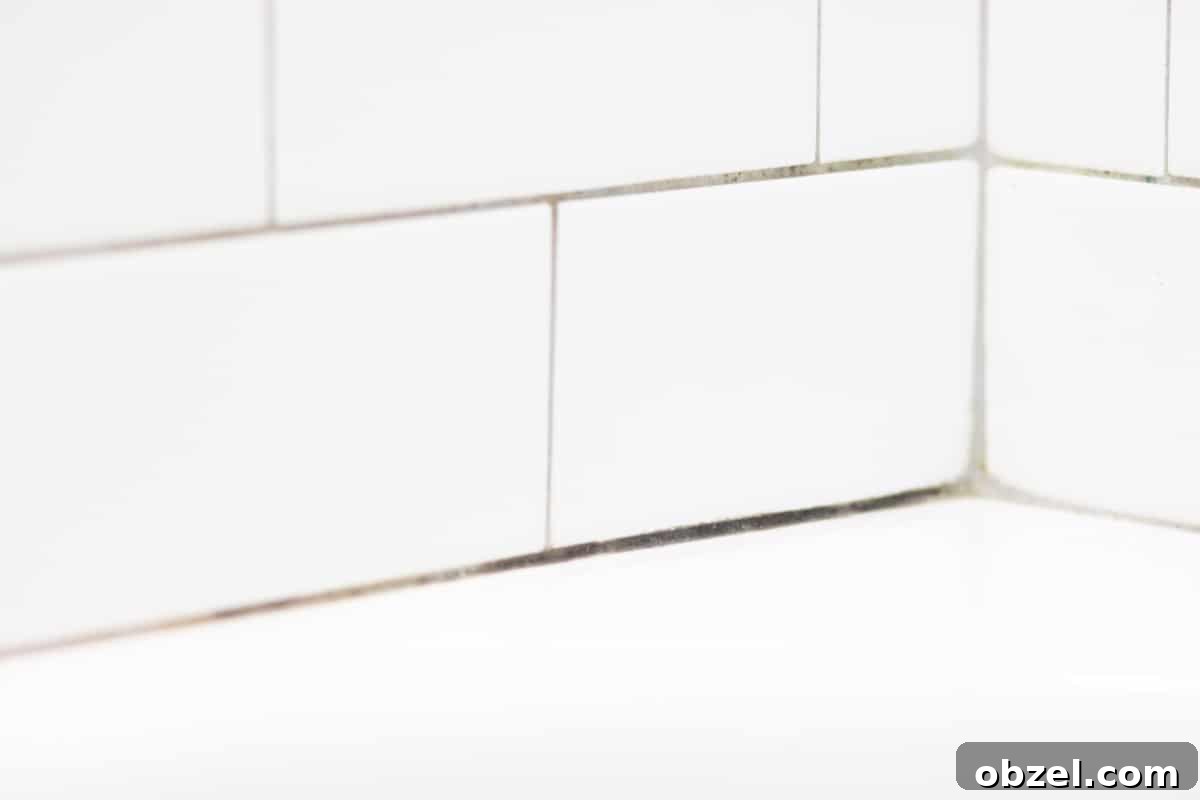
Shower grout can collect moisture, soap residue, and grime over time, creating the perfect place for mold and mildew to appear. The good news is that white vinegar and baking soda can help clean stained grout lines and freshen your shower without relying on strong chemical fumes.
What You Need To Clean Mold In Shower Grout Naturally:
- Vinegar – White distilled vinegar is a popular natural cleaner for bathroom surfaces and can help treat many types of household mold and mildew. Use it undiluted for this method. Hydrogen peroxide can also be used as an alternative, but vinegar is the focus of this natural cleaning routine.
- Baking soda – Baking soda helps lift grime, absorbs odors, and gives you a mildly abrasive paste that is useful for scrubbing grout lines. When baking soda and vinegar meet, they bubble and foam, which can help loosen buildup from the surface.
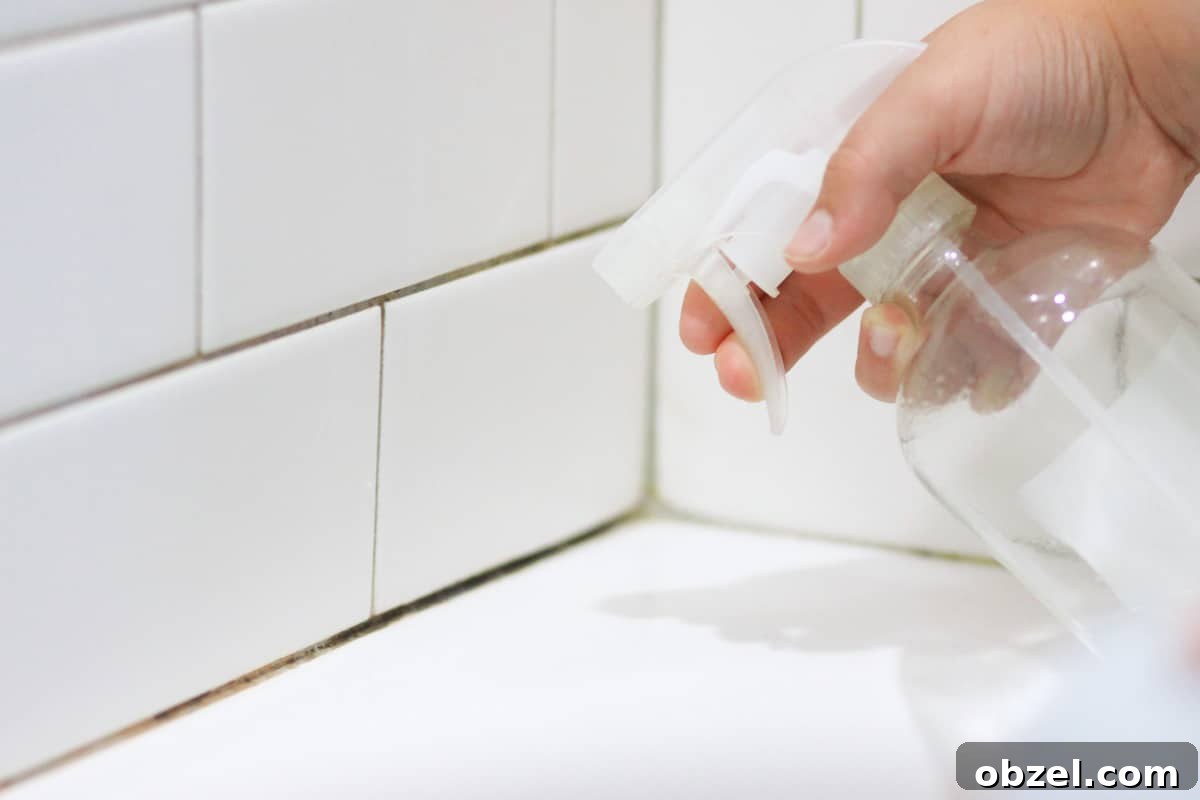
- Spray bottle – A spray bottle makes it easy to apply vinegar evenly to shower walls and grout lines. Any clean spray bottle will work.
- Old toothbrush – A toothbrush is one of the best tools for cleaning grout because the bristles fit neatly into narrow lines between tiles.
- Stiff bristle scrub brush – For larger tiled areas, a scrub brush can save time and help cover more grout at once.
- Soft rag – Use a clean cloth to wipe down the shower after scrubbing and rinsing.
How To Clean Mold In Shower Grout Naturally:
Spray – Spray the moldy grout with undiluted white vinegar. Make sure the affected area is well covered, then let it sit for at least 30 minutes so it has time to work into the surface.
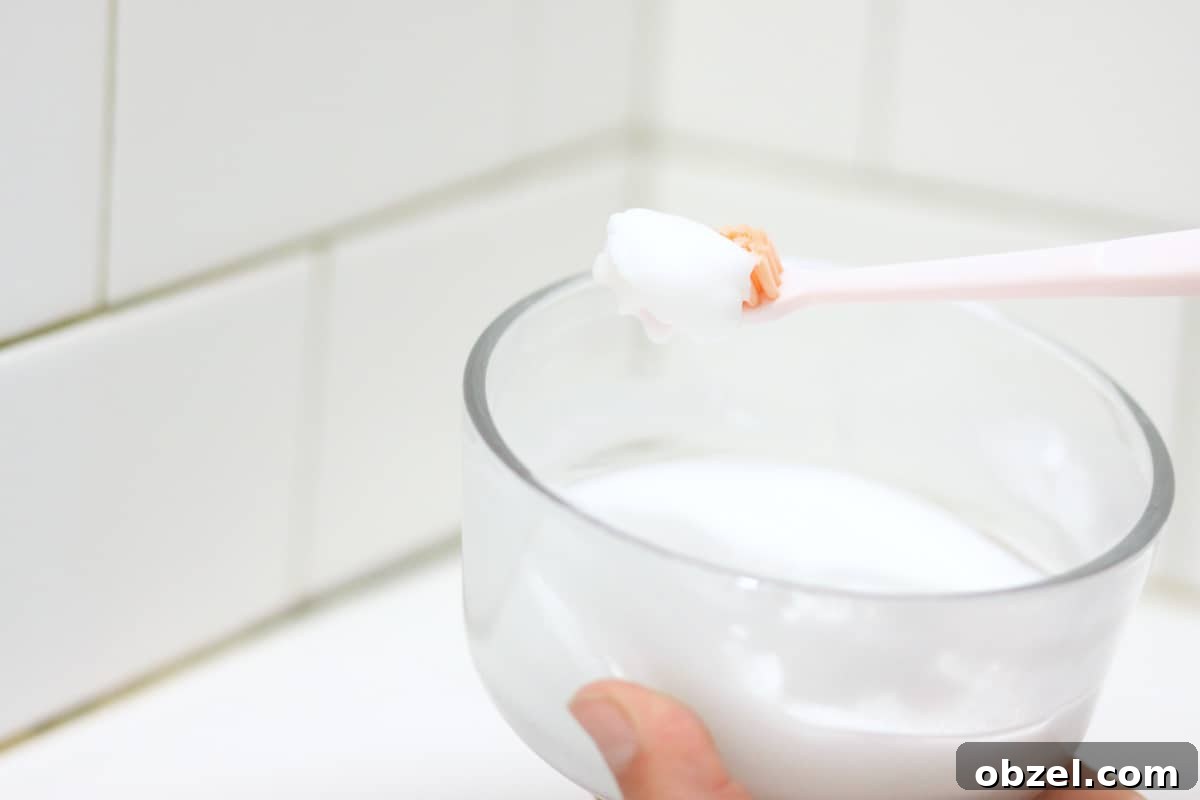
Combine – In a small bowl, mix 1/2 cup of baking soda with 1/4 cup of water. Stir until it forms a thick paste that is easy to spread but not too runny.
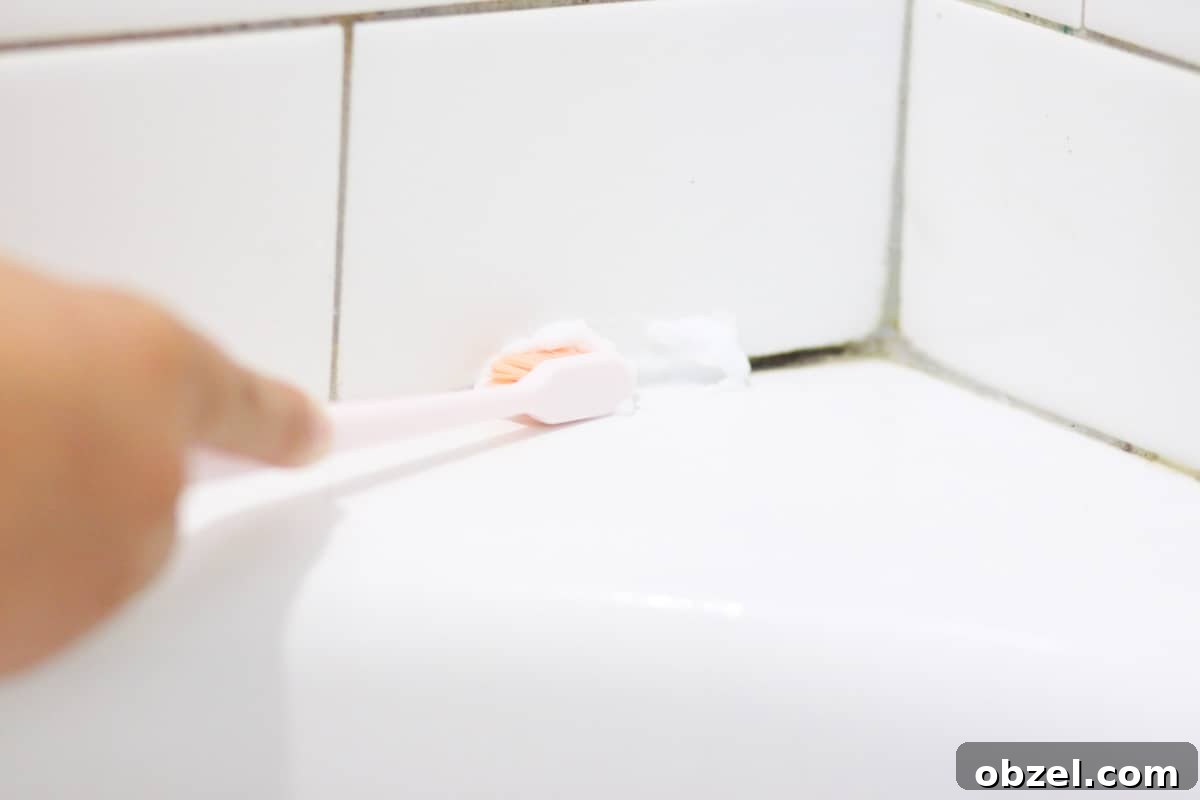
Apply – Use an old toothbrush to press the baking soda paste onto the moldy grout lines. Focus on the darkest or most stained areas first.
Scrub – Scrub the grout lines with the toothbrush or a stiff bristle brush. Add more paste as needed, especially in corners and along the lower edges of the shower where moisture tends to sit.
Let Set – Allow the paste to sit on the grout for another 30 minutes. After it has had time to work, scrub the area again to loosen remaining residue.
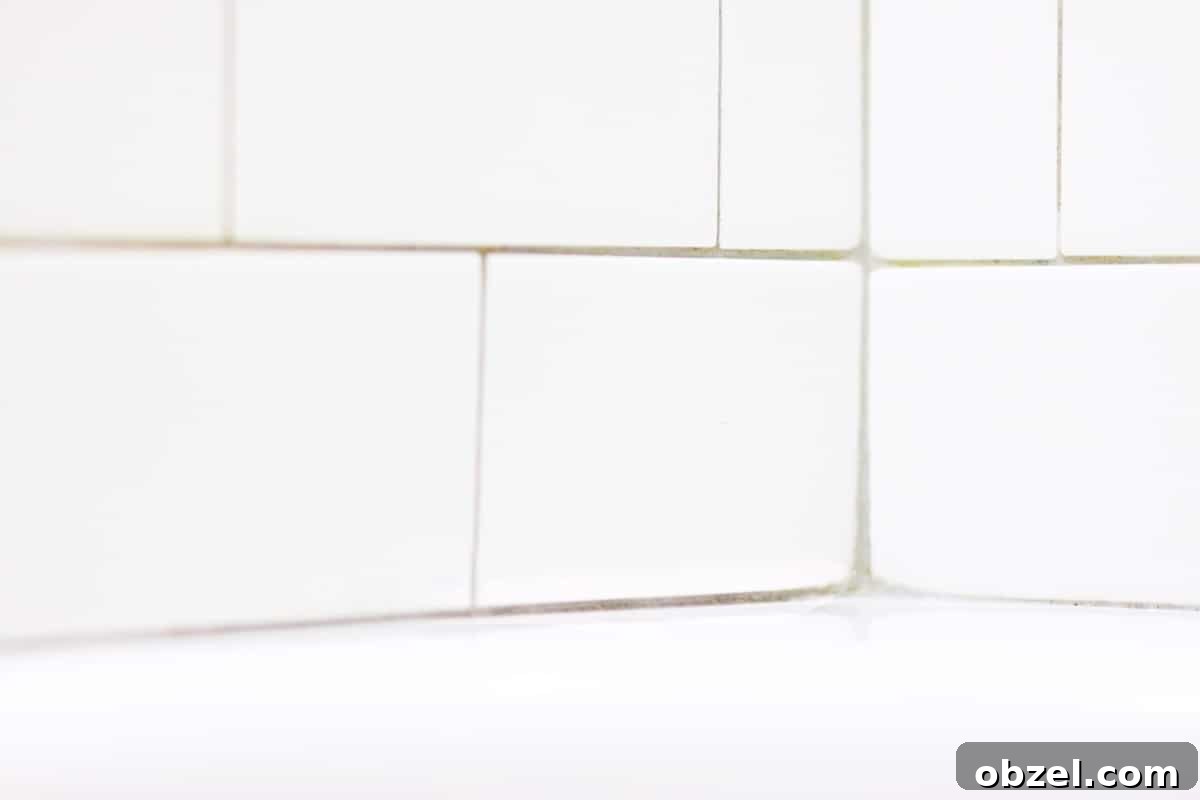
Rinse – Rinse the shower thoroughly with clean water. Wipe the tiles and grout with a soft rag, then dry the area as much as possible to discourage new mold growth.
This method is best for small amounts of mold on shower grout. If mold is widespread, keeps coming back quickly, or appears in multiple areas of your home, contact a qualified professional to inspect the problem and help identify the source of moisture.
About This Method For Cleaning Mold In Shower Grout:
It Is Easy
This natural grout cleaning method uses two basic household ingredients: vinegar and baking soda. Spray the grout with vinegar, let it soak, apply a baking soda paste, scrub, rinse, and dry. The process is simple, inexpensive, and does not require complicated tools.
A Natural Cleaning Solution
Many store-bought shower cleaners contain strong ingredients that can irritate the skin, eyes, and lungs, especially in a small bathroom with poor ventilation. Vinegar and baking soda offer a gentler way to clean shower grout while still helping remove grime, odor, soap scum, and surface mold.
Using vinegar and baking soda can also save money because you do not need a separate specialty cleaner for every bathroom surface.
Before using vinegar, check the material around your shower. Vinegar is not recommended for natural stone such as marble or travertine because its acidity may damage the surface. For standard ceramic or porcelain tile with grout, it is commonly used as a household cleaner.
Always test a small hidden area first if you are unsure how your tile or grout will react.
An Effective Way To Clean Small Mold Spots
Undiluted white vinegar is often used to help treat household mold on non-porous and semi-porous surfaces. Following it with a baking soda paste adds scrubbing power and helps remove discoloration and residue from grout lines.
Regular exposure to mold can affect indoor air quality and may cause health concerns for some people. Do not ignore mold that spreads, returns quickly, or appears beyond the shower area.
How To Clean Mold In Shower Grout Naturally FAQ:
Can You Use Vinegar On Shower Grout?
Vinegar can be used on many common shower grout and tile surfaces. It helps break down soap scum, freshen the area, and clean mold or mildew from grout lines. For best results, use white distilled vinegar and give it time to sit before scrubbing.
Do Baking Soda And Vinegar Cancel Each Other Out?
Baking soda is alkaline, while vinegar is acidic, so they do react when combined. That reaction creates bubbling and fizzing. If you mix them together too early, some of the cleaning strength of the vinegar can be reduced.
For this reason, it is best to spray the vinegar first and let it sit on the moldy grout before applying the baking soda paste.
Baking soda still adds value because it is mildly abrasive, helps deodorize, and gives you a paste that stays in place on vertical grout lines. The texture makes scrubbing easier and helps lift grime from the pores and surface of the grout.
The foaming action that happens when the two ingredients meet can also help loosen buildup, making it easier to scrub away.
Use the ingredients in steps rather than mixing a large batch in advance.
Is Vinegar Better Than Bleach For Cleaning Mold On Tile Grout?
Vinegar is often preferred for natural mold cleaning because it does not create the same harsh fumes as bleach. Bleach may lighten stains on the surface, but it is not always the best choice for treating mold in porous materials like grout.
Never mix bleach and vinegar. Combining them creates a dangerous chemical reaction that releases toxic chlorine gas. If you use any cleaning product in the bathroom, use one product at a time and rinse thoroughly before switching to another.
How Do You Get Rid Of Bathroom Mold Without Bleach?
Spray the grout lines with undiluted white vinegar and let it sit for about 30 minutes. This gives the vinegar time to work on the moldy area before you scrub.
Next, mix baking soda and water into a paste. Apply it to the grout with an old toothbrush, scrub well, and let it sit for another 30 minutes. Scrub again, rinse with clean water, and dry the shower walls with a towel or soft cloth.
Drying the area after cleaning is important because mold grows more easily where moisture remains.
How To Prevent Mold In Shower Grout
Cleaning mold from shower grout is helpful, but preventing it from returning is just as important. Mold grows best in damp, dark areas, so reducing moisture in the bathroom should be part of your regular routine.
- Improve airflow after showering. Run an exhaust fan, leave the bathroom door open, or open a window when possible so steam can escape and surfaces can dry faster.
- Wipe down wet shower walls, corners, and grout lines with a dry towel after bathing. Removing standing moisture makes it harder for mold and mildew to grow.
- Use a grout sealer when appropriate. Sealed grout is less likely to absorb water and is usually easier to keep clean. Follow the instructions for your specific tile and grout type.
More Cleaning Tips And Tricks On The Blog:
If you like simple natural cleaning methods, these related cleaning ideas may also be helpful for keeping your home fresh and tidy.
- How To Clean a White Kitchen Sink
- DIY Thieves Cleaner From Scratch
- How to Clean a Black Glass Stovetop
- DIY Leather Couch Cleaner
- How To Clean Fruit With Vinegar
I hope this guide helps you clean shower grout naturally and keep your bathroom looking fresher. With regular maintenance, good ventilation, and simple ingredients like vinegar and baking soda, small mold spots on grout can be much easier to manage.
Save these steps so you can use them the next time your shower grout needs a natural deep clean.