You have searched every census you can find. You have checked birth, marriage, and death records. You have looked through immigration files, military records, passenger lists, and every familiar genealogy database. Still, one ancestor refuses to appear at the moment you need them most.
If that sounds familiar, you are not alone.
Many genealogy brick walls remain unsolved because researchers continue looking in the same record sets. The breakthrough may not be in the records you have already searched, but in the lesser-used records that documented your ancestor’s everyday life.
Your ancestors did not live as isolated names on a chart. They lived in neighborhoods, worked in local economies, attended churches and schools, served on juries, repaired roads, paid taxes, and interacted with courts and community officials. Those ordinary activities often created records that can reveal names, locations, relationships, occupations, and migration clues that vital records never mention.
When traditional genealogy sources lead nowhere, these five overlooked record types can help you rebuild your ancestor’s community and uncover the clues needed to move your family history research forward.
1. Jail Records & Court Documentation
It is easy to skip jail and court records if you assume your ancestors were never involved in legal trouble. However, court documentation is not limited to criminal cases. These records can include civil disputes, witness statements, jury lists, debt cases, property conflicts, guardianships, and character references. Sometimes those cases turn up more than you bargained for.
What You May Find:
- Arrest records that name relatives, employers, or character witnesses
- Jury duty records showing community standing and possible literacy
- Civil court cases involving business, debt, land, or property disputes
- Witness lists that reveal neighbors, associates, and possible relatives
- Character references identifying friends, employers, or community leaders
Why This Matters for Brick Walls: Court records can place an ancestor in a specific county at a specific time, even when census or vital records are missing. A lawsuit might identify business partners. A witness list might reveal relatives living nearby. A minor legal matter may provide the only surviving paper trail for a difficult research period.
Where to Search: Begin with county court offices, state judicial archives, and state archive digital collections. Some genealogy databases include court records, but coverage varies by location. Historical newspapers can also be useful because arrests, lawsuits, and trials were often reported locally. Newspapers.com is one place to begin that search.
Research Tip: Do not search only for your ancestor as a defendant. Look for them as a witness, juror, plaintiff, guardian, creditor, debtor, or character reference. These indirect appearances often provide the best clues.
2. Road Records & Infrastructure Projects
Road records are one of the most overlooked sources in genealogy research. Before modern road departments, local communities were responsible for building and maintaining roads. County courts and township officials often recorded the names of residents assigned to road crews, overseers, and maintenance districts.
What You May Discover:
- Names of road overseers and local crew members
- Property owners responsible for maintaining specific road sections
- Groups of neighbors working together on community projects
- Geographic clues showing where families lived within a township
- Evidence of property ownership, residence, and civic responsibility
The Brick Wall Connection: Road records are especially helpful because they identify neighborhood clusters. If your ancestor appears on a road crew, the other men listed were often nearby landowners or residents. Those neighbors may turn out to be relatives, in-laws, migration companions, witnesses on deeds, or associates in other local records.
Strategic Research Approach: Look for road records in county court minutes, township records, county commissioner records, and state archive collections. Useful search terms include “road overseer,” “road maintenance,” “public roads,” “road hands,” “township roads,” and the name of the county or township where your ancestor lived.
3. Professional & Trade Records
If your ancestor worked in a licensed profession or skilled trade, they may have appeared in records that are often ignored by family historians. These sources can document careers, apprenticeships, business locations, professional networks, and moves from one community to another.
Documentation May Include:
- Professional licensing records and renewals
- Trade association or professional membership lists
- Business directories and commercial listings
- Apprenticeship records and training agreements
- Union membership and labor organization records
How This Breaks Brick Walls: Professional and trade records can fill gaps between census years. A licensing record may explain why a family moved. A business directory can confirm an occupation and address. An apprenticeship record may connect two families that later appear together in marriage, land, or probate records.
Research Strategy: Search state licensing boards, state archives, historical society collections, city directories, and professional association records. In city directories, do not stop at the residential section. Check business listings, classified sections, and occupation indexes for additional details about your ancestor’s work and community connections.
4. City Directories
Many researchers know city directories exist, but they often do not use them to their full potential. Unlike census records, which usually provide a ten-year snapshot, city directories can track families year by year. This makes them valuable for locating moves, occupation changes, deaths, marriages, and household transitions.
Rich Information Sources:
- Annual addresses and changes in residence
- Occupations, employers, and business locations
- Spouse names and household clues
- Evidence of economic status or social mobility
- Migration patterns between census years
The Annual Advantage: City directories can show the exact years a family appeared in or disappeared from a location. They may also identify widows, adult children entering the workforce, or relatives living at the same address. For brick wall research, that year-by-year timeline can be the key to finding the next record.
Access Points: Many city directories are available through Google Books, university collections, local libraries, and genealogy databases such as Ancestry.com and MyHeritage. HathiTrust and Internet Archive also provide large digitized directory collections that can be searched by place and year.
5. School Records & Educational Documentation
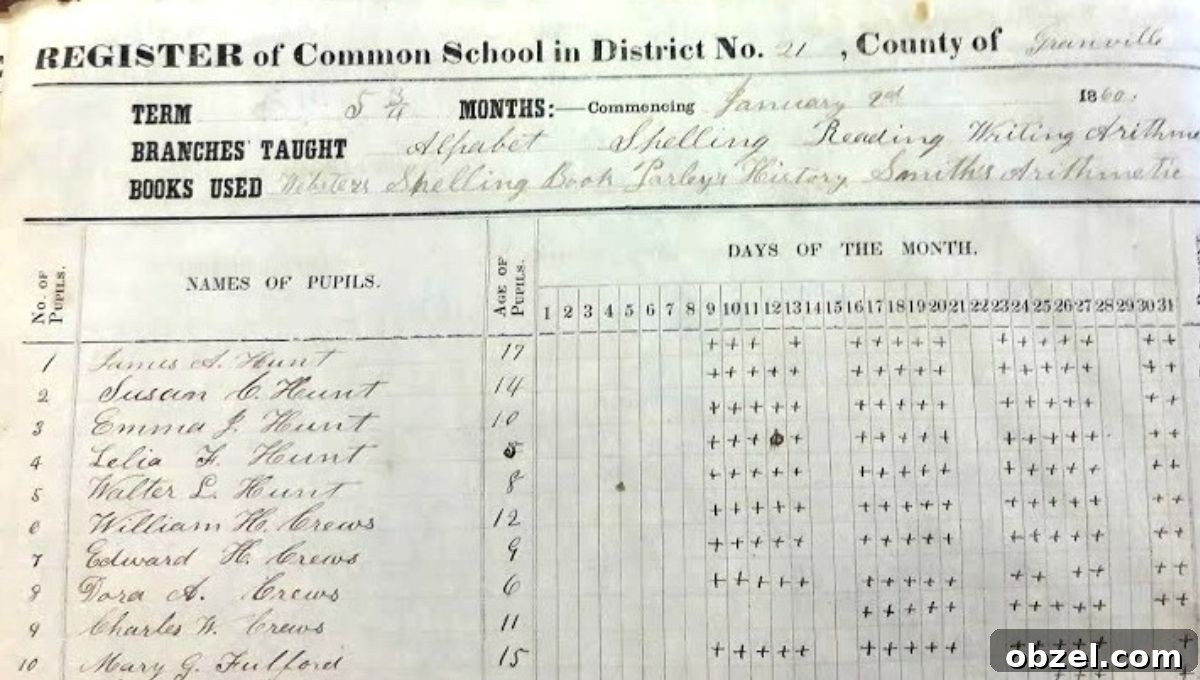
School records can reveal far more than a child’s education. They document families, neighborhoods, local leadership, financial circumstances, and community priorities. In some areas, school records survived even when other county or town records did not.
Valuable Documentation:
- School board minutes that mention parents and local families
- Teacher appointment records showing community connections
- School census and attendance records
- Records of parent involvement in school activities or governance
Family History Insights: School records can show where children lived, when families settled in a community, and how long children attended school. They may also reveal parents serving on school boards, hiring teachers, or participating in local decisions. For immigrant families, school documentation may provide early evidence of settlement and neighborhood patterns.
Research Locations: Search state archives, county school collections, local historical societies, university special collections, and major genealogy databases. Many school records remain undigitized, so contacting local repositories can be worth the effort.
The Community Web Strategy
These overlooked genealogy records are powerful because they place your ancestor within a wider community. Instead of searching for one person in isolation, you begin to map the people, places, occupations, and institutions connected to that person’s daily life.
Your Strategic Approach:
- Map the neighbors through road records and city directories
- Follow social connections through schools, courts, and local institutions
- Track economic relationships through business, trade, and legal records
- Document community involvement through civic, educational, and professional sources
“The key to breaking through brick walls isn’t in the records you’re searching—it’s in the records you’re not.”
When you find your ancestor in a road record, research the other people listed nearby. When you locate them in a city directory, study the neighbors on the same street. When you discover a school census, compare the families listed together. These patterns can lead to relatives, migration groups, marriage connections, and missing records.
In other words, do not focus only on the center of your ancestor’s life. Work the edges of their world, too.
Making the Most of These Records
Start with digital collections at state archives, county archive websites, and local historical repositories. Many state archives are adding county government records, court minutes, school records, and community documents to their online collections. Major genealogy platforms, including Ancestry, MyHeritage, and FamilySearch, also continue to expand beyond basic vital records.
Search systematically instead of randomly. Make a list of record types that fit your ancestor’s time period, location, and occupation. A merchant may appear in business directories, court cases, and tax records. A tradesperson may appear in licensing, apprenticeship, or union records. A family with school-age children may appear in school census or attendance records.
Think like a community member rather than only a descendant. Your ancestors bought and sold goods, worked with neighbors, served local institutions, sent children to school, and handled legal responsibilities. The records created by those activities may contain the missing detail that solves a long-standing genealogy brick wall.
The next time your family history research stalls, remember that your ancestor’s story is not found only in birth, marriage, death, and census records. It is woven through the documented life of the entire community. Sometimes the best way to find an elusive ancestor is to follow the records created by the people who lived, worked, and served beside them.
Before you go: Grab the free Big Genie List — an updated reference guide to genealogy databases and useful research tools, including places to look for many of the record types mentioned here.