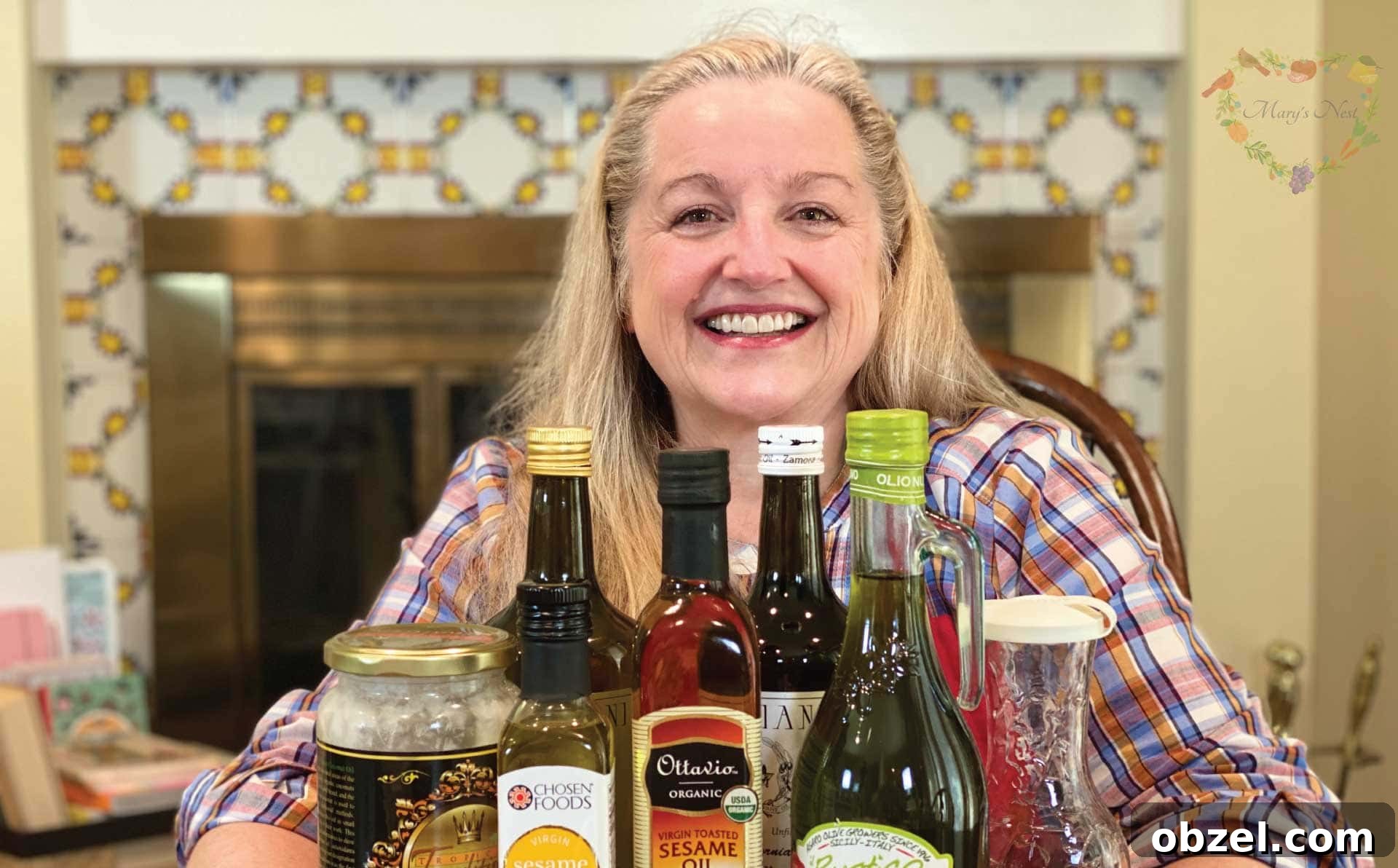
The Importance of Cooking with Traditional Fats: Cooking Oils
In this installment of the Cooking with Traditional Fats series, I focus on cooking oils: the liquid fats we use for frying, sautéing, dressings, and baking. By “cooking oils” I mean oils that are unprocessed, preferably cold-pressed, ideally organic, and—most importantly—those that have been used for generations by traditional cultures around the world.
These conversations and extended vodcasts are offered to members of the Traditional Foods Kitchen Academy, a community of Kitchen Pioneers who want deeper instruction and behind-the-scenes content. That said, I continue to publish free, detailed cooking videos on my public channel each week.
Traditional Foods Kitchen Academy
The Traditional Foods Kitchen Academy offers extended vodcasts, recipes, and discussions about traditional foods and techniques. Membership is optional. I still publish weekly instructional videos on my public channel for anyone who prefers to follow for free. The Academy provides additional resources for cooks who want to deepen their knowledge and skills.
All About Cooking Oils
Before we review the traditional oils I recommend, it helps to recognize what dominates supermarket shelves. Alongside solid fats marketed for baking, common bottled supermarket oils include:
- Corn oil
- Safflower oil
- Canola oil
- Generic “vegetable” oil
Many packaged snacks and processed foods list additional refined oils such as cottonseed oil and soybean oil. These oils are often industrially processed: exposed to high heat, chemical treatments, and deodorization. That processing damages delicate fats, makes oils prone to rancidity, and strips beneficial nutrients.
Sally Fallon emphasized in Nourishing Traditions that oils not used historically by traditional cultures should be treated with caution. Highly processed, modern industrial oils are linked to negative health outcomes when consumed in excess. The basic guidance: favor oils that are minimally processed and time-tested by traditional diets.
Is Peanut Oil a Good Cooking Oil?
Peanut oil can be useful, but it is high in omega-6 fatty acids. Omega-6 is an essential nutrient, yet modern Western diets already supply an overabundance of omega-6 while often lacking omega-3. That imbalance contributes to inflammation and chronic disease risk. For this reason, peanut oil is best used sparingly rather than as a daily cooking staple.
The Three Traditional Cooking Oils I Use
When stocking a traditional pantry, choose oils that have proven histories and familiar flavors. Although many traditional cultures used a variety of fats (including palm oil and animal fats), the three oils I reach for most often are:
- Olive oil
- Sesame oil
- Coconut oil
These three are versatile, relatively mild (or pleasantly familiar) in flavor, and offer useful nutritional profiles. Other traditional oils such as palm oil or nut oils can be excellent too, but some may taste unfamiliar to people accustomed to modern processed foods.
Olive oil
Olive oil has been a dietary cornerstone in Mediterranean cultures for millennia. It supplies mostly monounsaturated fats and contains vitamin E and vitamin K. Although it includes some omega-6, it also supplies beneficial antioxidants and small amounts of omega-3. Choose extra-virgin, cold-pressed olive oil when possible for the richest flavor and nutrient content.
Sesame Oil
Sesame oil is widely used across Asia and has a long tradition in cooking and medicine. Untoasted (cold-pressed) sesame oil is prized for its antioxidant content and a balanced omega-6 to omega-3 ratio. It contains vitamin E, phytosterols, lignans, and compounds such as sesamol and sesaminol that help counteract free radical damage. I often include sesame oil in oil blends or use it for dressings and light sautéing.
Coconut Oil
Coconut oil is traditional in many tropical cultures and is rich in medium-chain fatty acids—especially lauric acid, which shares similarities with components of human breast milk. Lauric acid supports immune function and has antimicrobial properties. Coconut oil is stable at higher cooking temperatures and offers a mild, slightly sweet flavor that works well in many recipes.
Is Avocado Oil a Good Cooking Oil?
Avocado oil is a relatively new culinary oil compared with olive, sesame, and coconut. Historically, the avocado fruit itself was eaten widely—for example by the Aztecs—and used like a buttery food, not as an extracted oil. Commercial avocado oil for cooking only became widely available after cold-press extraction techniques were improved in the late 20th century.
Because avocado oil is a modern innovation, it isn’t a “traditional” culinary fat in the historical sense. That does not automatically make it unhealthy—cold-pressed avocado oil can be nutritious—but it lacks the long cultural track record of the three oils above. As with any oil, choose minimally processed, cold-pressed varieties and use them in balance with other healthy fats.
Other newer culinary oils—grapeseed, rice bran, hemp seed, argan, and others—are increasingly available. Many can be useful in certain culinary contexts, but when building a traditional-fat pantry, prioritize oils with long culinary histories and minimal processing.
Other Traditional Fats
This article is part of a broader series on traditional fats. For a complete approach to traditional cooking fats, explore companion topics such as butter and ghee, and rendered animal fats. Each category of fat has its culinary uses, stability at different temperatures, and unique nutrient contributions.
More Kitchen Pioneer Videos
If you want to dive deeper, there are extended videos and playlists in the Kitchen Academy that cover fermentation, pantry building, kitchen equipment, and anti-inflammatory foods. Members can access longer Q&A sessions and behind-the-scenes content; non-members can still benefit from the many free instructional videos available on the public channel.
Shop for items used in this blog post or video
Favorite Kitchen Supplies
- Chef’s Knife
- Bamboo Cutting Board
- Lodge Cast Iron Frying Pan
- Scanpan or other quality nonstick pan
- Spatula Spoon
- Whisk
- Large Stock Pot
- Stainless Steel Colander
- Large Measuring Cup
- Stainless Steel Measuring Cups and Spoons
- Baking Sheet
- Glass Storage Jars with Lids
- Glass Mixing Bowls
- Flour Sack Towels
- Fat Separator
- Aprons
Other helpful items include fermentation kits, grain grinders, and quality whole grains for home baking and long-term pantry use.
Recommended Reading
- Know Your Fats: The Complete Primer for Understanding the Nutrition of Fats, Oils and Cholesterol
- Deep Nutrition
- Spontaneous Healing: How to Discover and Embrace Your Body’s Natural Ability to Maintain and Heal Itself
- Rosemary Gladstar’s Medicinal Herbs: A Beginner’s Guide
- The 3-Season Diet: Eat the Way Nature Intended
- Nourishing Traditions: The Cookbook that Challenges Politically Correct Nutrition and Diet Dictocrats