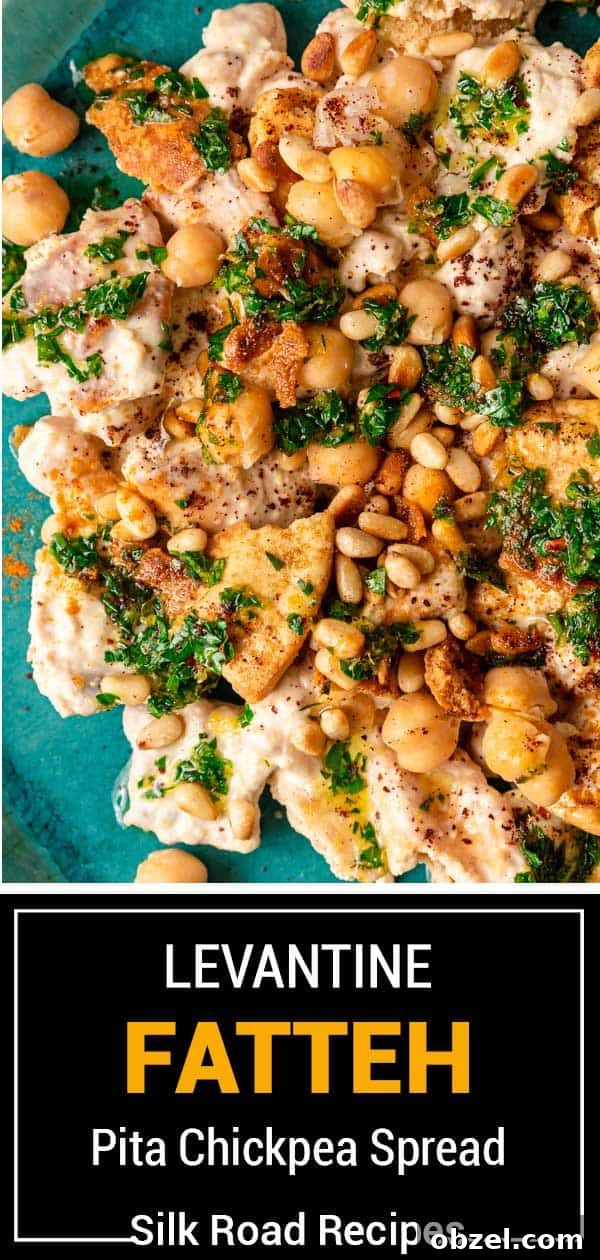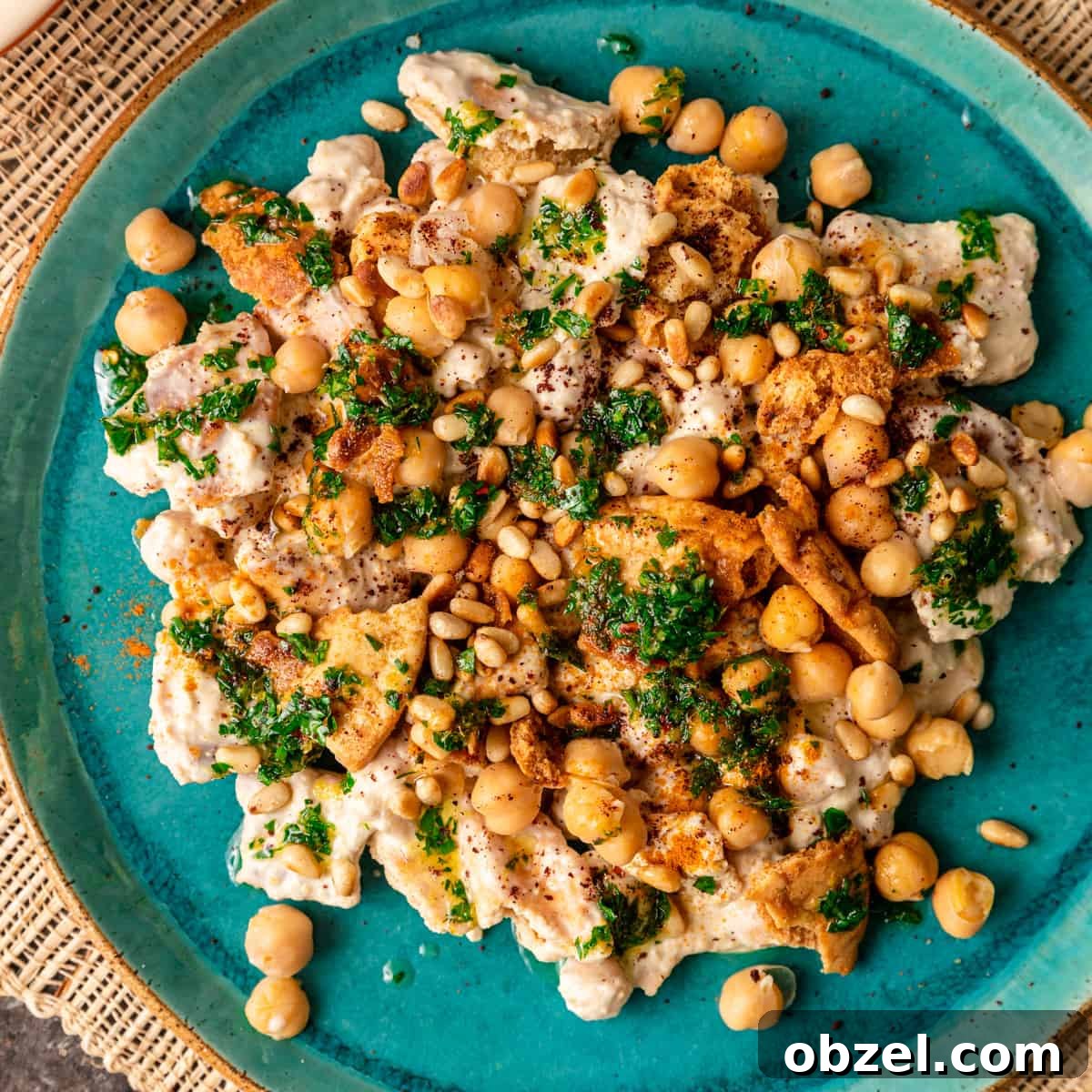
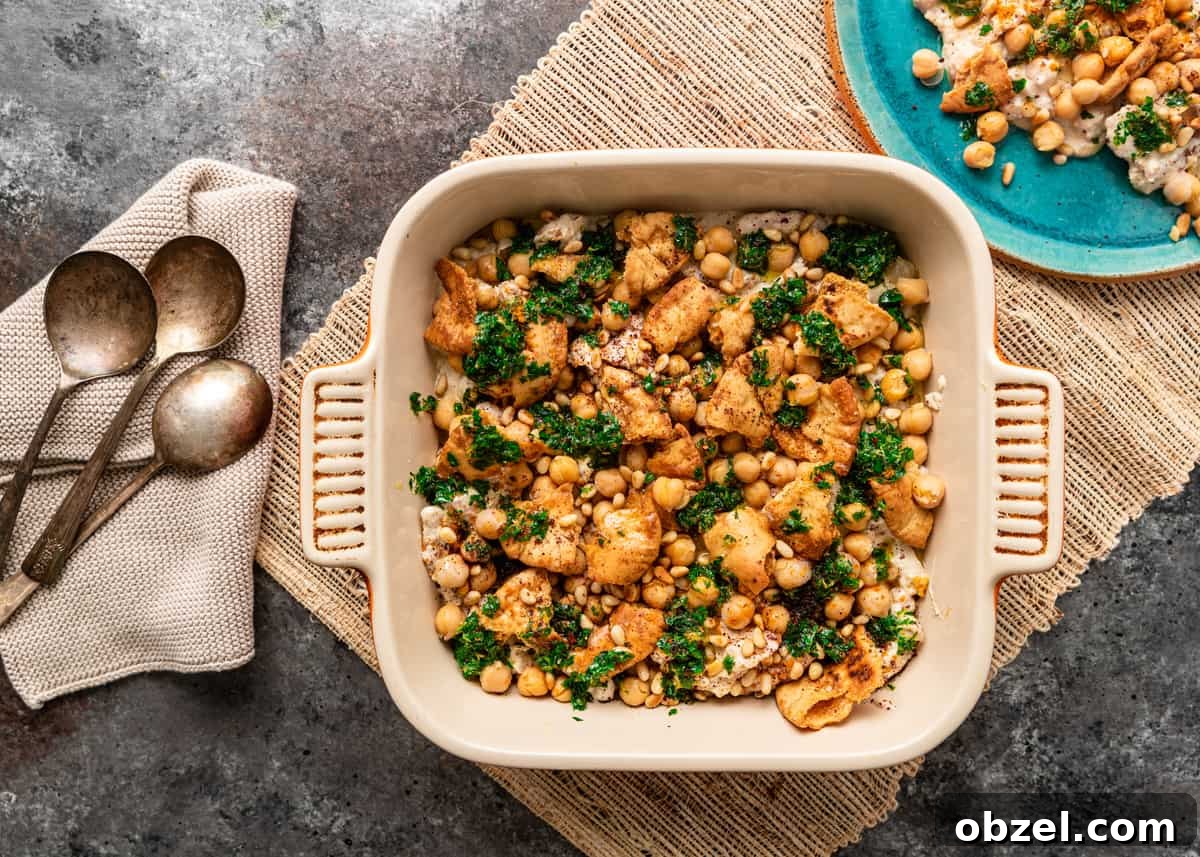
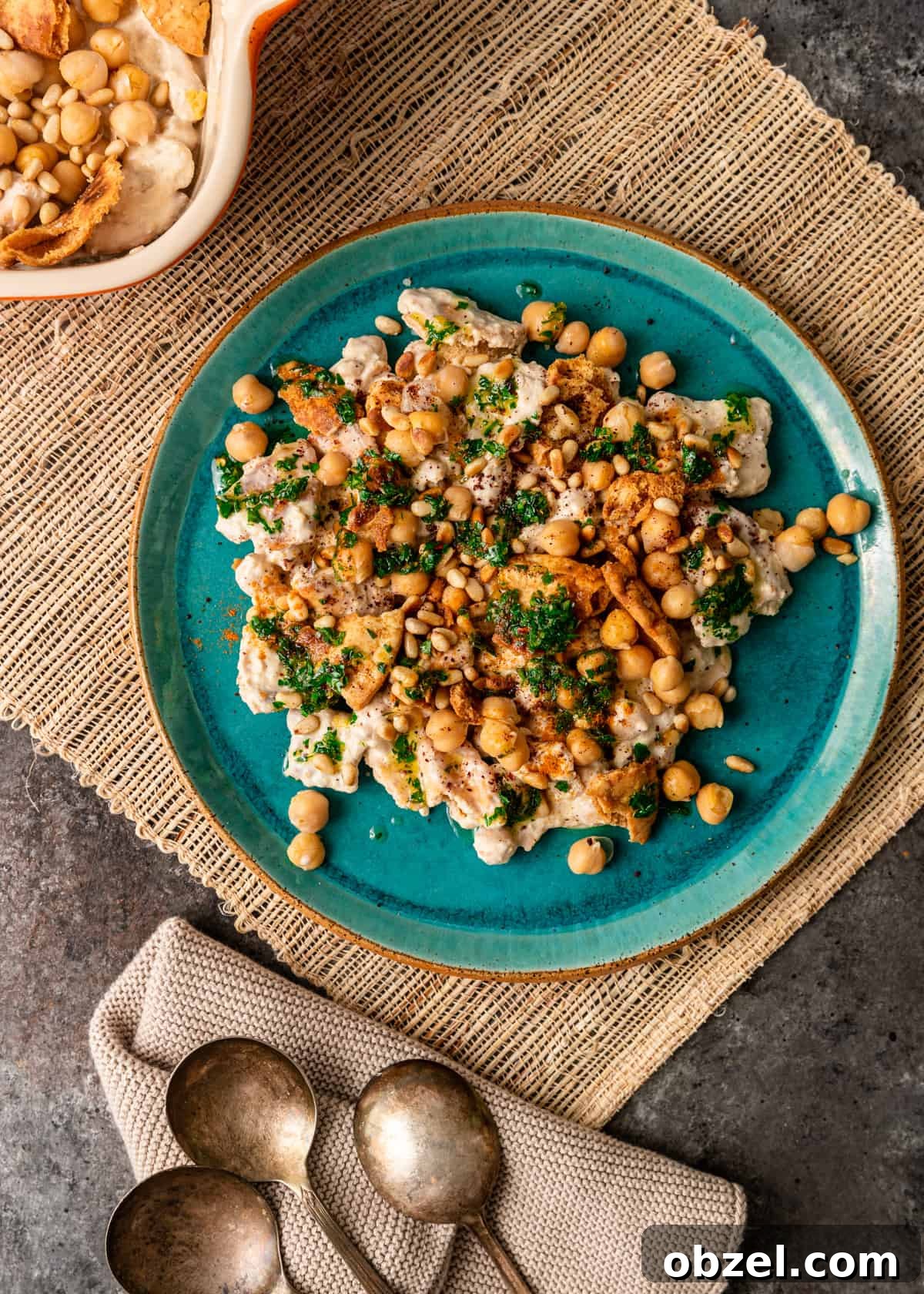
This creamy fatteh, also known as fattet hummus, is made with chickpeas, tahini, plain Greek yogurt, crispy pita, toasted pine nuts, lemon, and fresh parsley. It is tangy, savory, comforting, and full of texture. Serve this Middle Eastern mezze dish warm for breakfast, as an appetizer, or as a satisfying light meal. Best of all, it comes together in about 35 minutes.
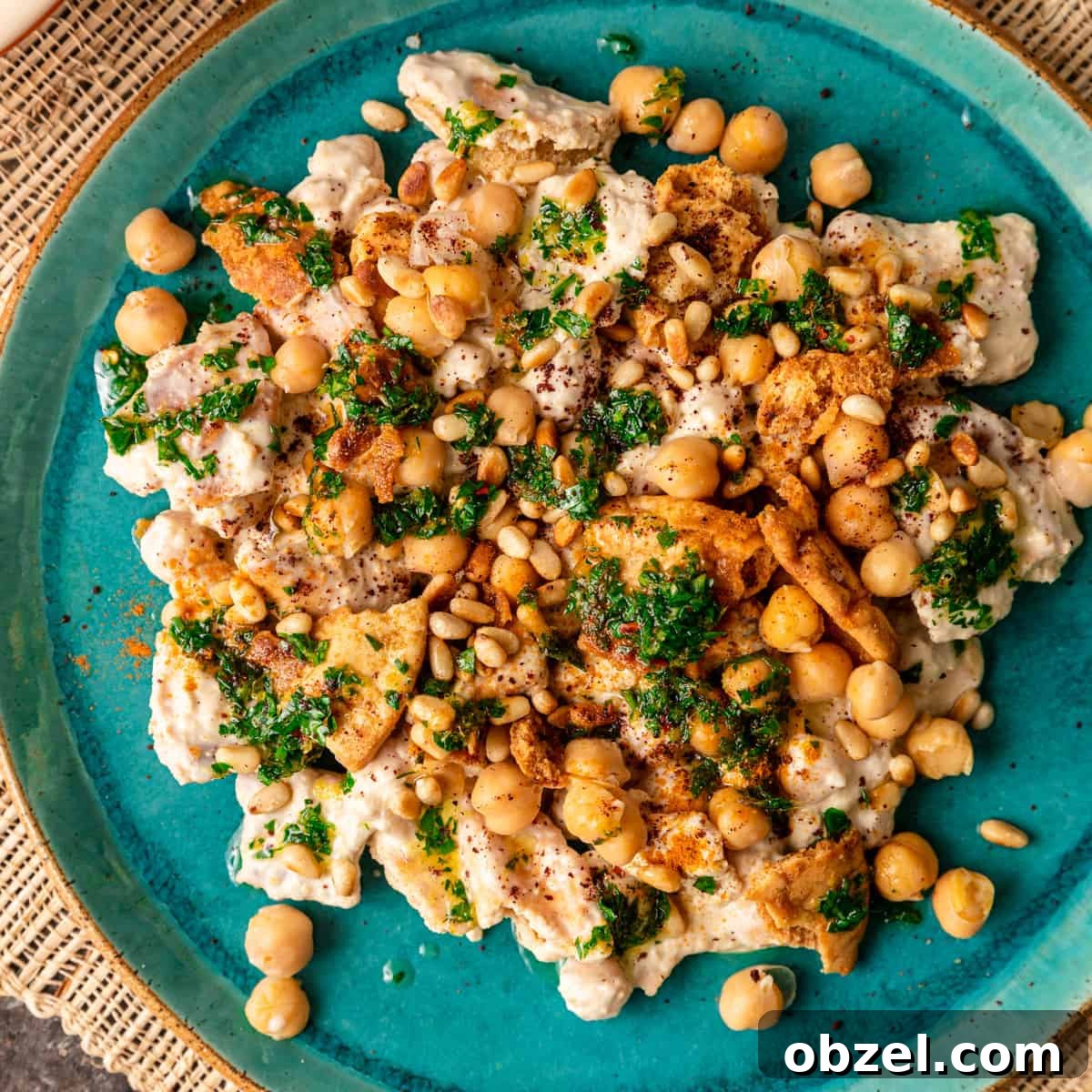
Fatteh is a rich and comforting dish from the Levant, the Eastern Mediterranean region known for its generous mezze spreads, warm spices, fresh herbs, and simple ingredients prepared with care. The word fatteh is often connected with the idea of “crumbs” or “broken pieces,” which makes sense because crispy or toasted bread is one of the essential parts of the dish.
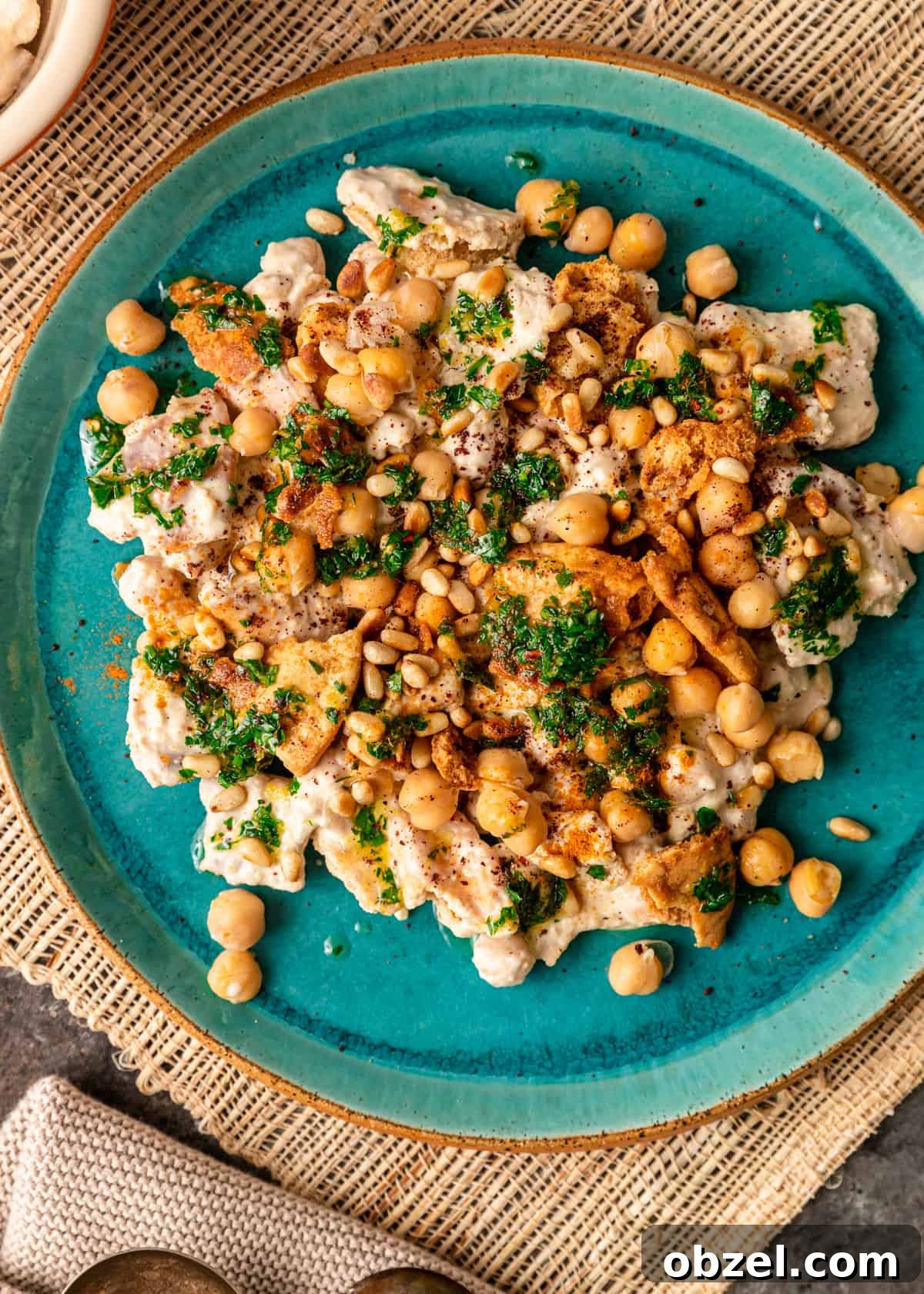
This version is a chickpea and yogurt fatteh, sometimes called fattet hummus. It combines warm chickpeas with a creamy hummus-style mixture, crunchy pita chips, toasted pine nuts, lemony parsley oil, and a sprinkle of sumac. The result is part dip, part casserole, and part bread salad, with every bite offering something creamy, crisp, nutty, and bright.
The recipe is inspired by traditional Palestinian preparations, with one practical change: instead of making a separate yogurt sauce, the plain Greek yogurt is blended directly into the hummus mixture. This keeps the flavor tangy and smooth while making the recipe quicker and easier to prepare at home.

Whole chickpeas and toasted pine nuts are included for extra texture. The warm chickpeas soften slightly as they are mixed with the hummus, while the pita keeps its crunch when served right away. A final spoonful of parsley oil brings freshness, and sumac adds a citrusy finish that balances the richness of the tahini and yogurt.
Table of Contents
- Fatteh or Fetteh?
- Ingredient Notes and Substitutions
- How to Make Fatteh
- Recommended Tools
- Storing and Reheating
- Frequently Asked Questions
- Fatteh Recipe
Fatteh is commonly served for breakfast, but it also works beautifully as an appetizer or as part of a mezze table. Pair it with roasted pepper dip, eggplant dip, pickled vegetables, olives, fresh herbs, and extra bread for scooping.
Tip From Kevin
Fatteh or Fetteh?
The spelling may change, but the idea remains similar: crispy bread is layered or mixed with savory toppings. Versions of fatteh vary by region and household. This chickpea, yogurt, and tahini version is typical of Levantine and Palestinian-style fatteh and is often served for breakfast. Egyptian fattah, by comparison, can include toasted bread, rice, meat, and a bright herb or citrus topping.
Ingredient Notes and Substitutions
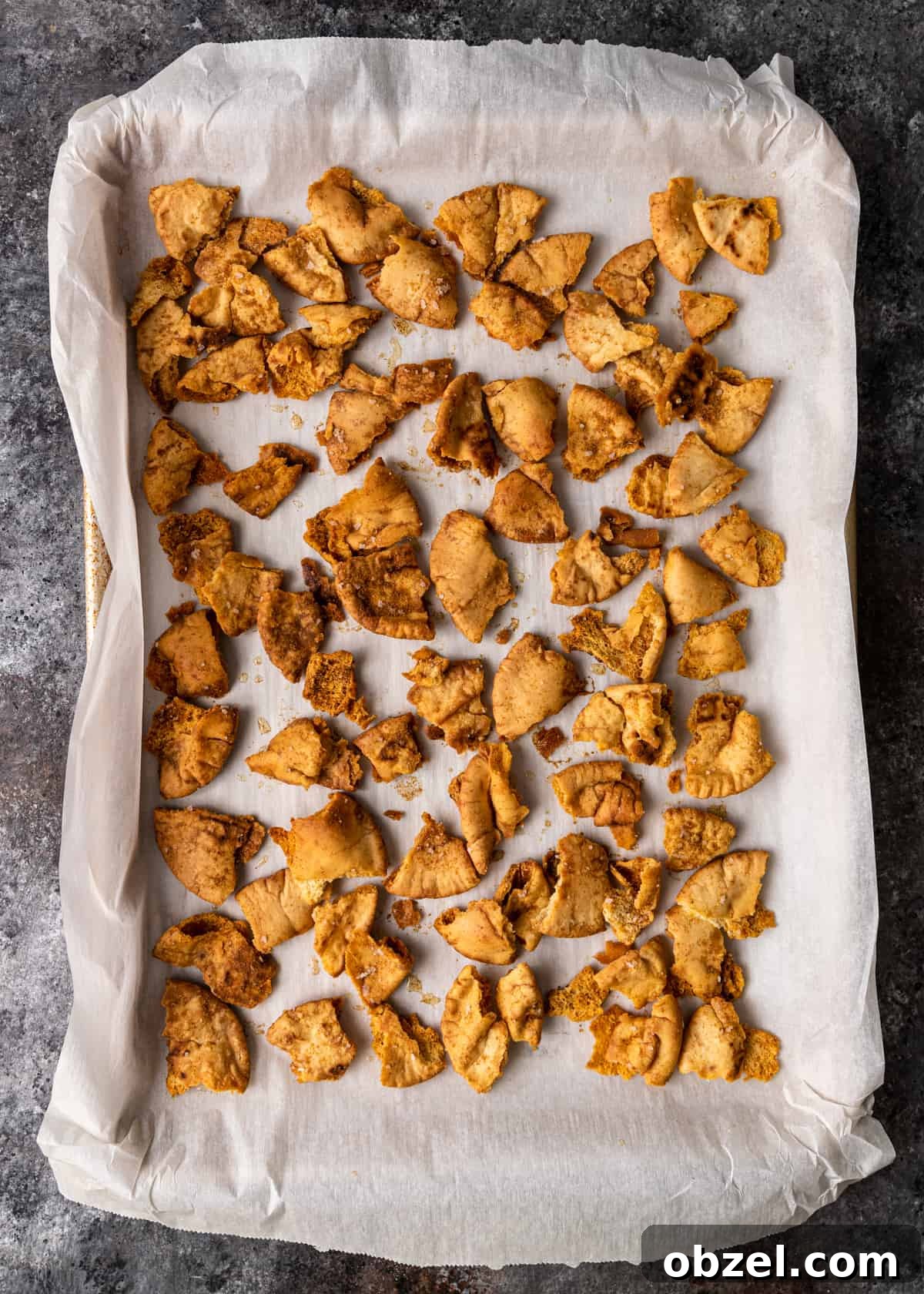
- Pita – Torn pita bread is tossed with olive oil, cumin, and kosher salt, then baked until golden and crisp. It gives fatteh its signature crunch. Whole wheat pita or khubz may also be used. If you prefer a deeper flavor, use a sturdy flatbread that will hold its shape after toasting.
- Olive Oil – Olive oil is used for both the pita chips and the parsley topping. It helps the bread crisp in the oven and gives the topping a smooth, rich finish.
- Ground Cumin – Cumin adds earthy warmth to both the pita and the chickpea mixture. If needed, ground coriander or ground caraway can be used as an alternative, though the flavor will be different.
- Chickpeas – Canned chickpeas make this recipe quick and reliable. Drain them before simmering. Cooked chickpeas prepared from dried beans can also be used if you have them ready.
- Garlic – Lightly crushing the garlic cloves before simmering helps release their flavor into the chickpeas and cooking liquid.
- Tahini – Tahini gives the hummus mixture its nutty taste and creamy texture. Stir it well before measuring, as sesame paste can separate in the jar.
- Greek Yogurt – Plain, unsweetened Greek yogurt gives this fattet hummus its tangy flavor. Sour cream or plain regular yogurt may be used as an alternative, but the texture may be slightly different.
- Pine Nuts – Toasted pine nuts add a salty, nutty crunch. Toasted chopped almonds or cashews can be used if you need a substitute.
- Parsley Oil Topping – Fresh parsley, lemon zest, olive oil, salt, and red pepper flakes create a bright topping that cuts through the richness of the hummus and yogurt. Cilantro can be used instead of parsley for a sharper herbal note.
- Sumac – Sumac adds a tart, lemony finish. If you do not have it, use a little extra lemon zest and lemon juice.
How to Make Fatteh
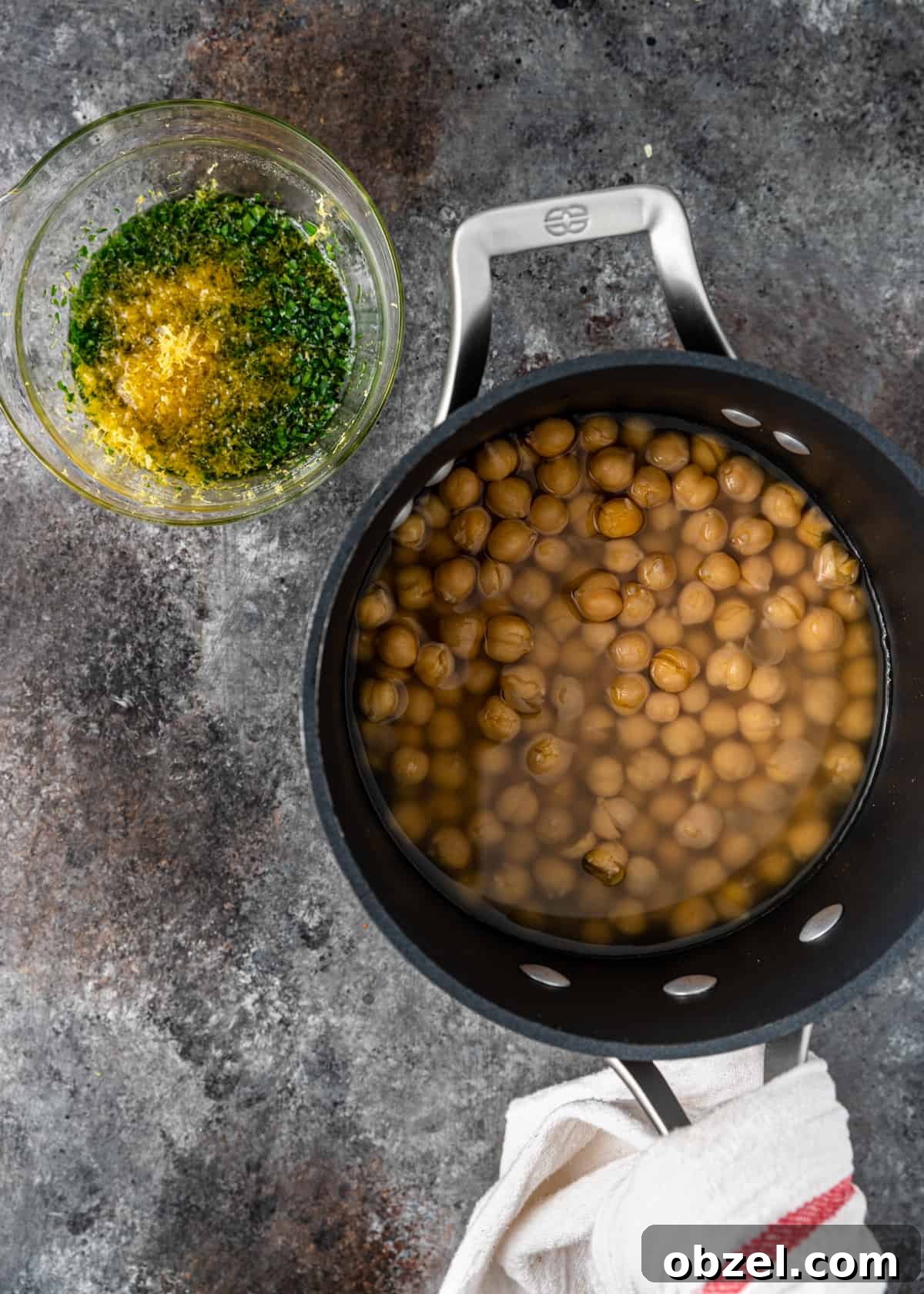
- Cook the chickpeas. Add the cooked or canned chickpeas to a saucepan with water, cumin, and lightly crushed garlic. Bring to a boil, reduce the heat, and simmer uncovered for 10 minutes.
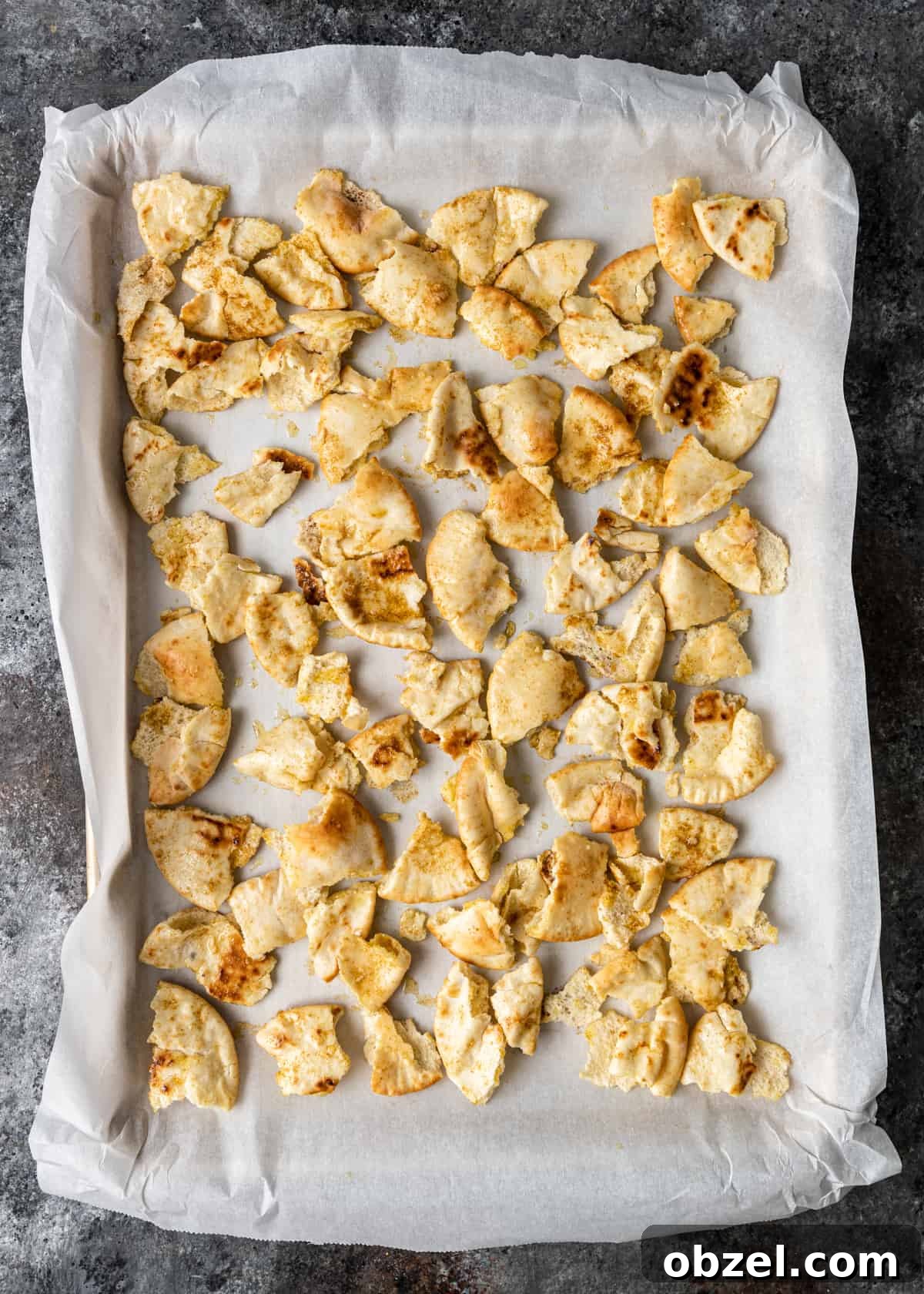
- Toast the pita. Tear the pita into bite-size pieces. Toss with olive oil, cumin, and salt, then spread on a lined baking sheet. Bake at 350°F until golden brown and crisp.
- Make the parsley oil. Stir together chopped parsley, lemon zest, olive oil, salt, and red pepper flakes. Set it aside so the flavors can mingle.
- Toast the pine nuts. Place the pine nuts in a dry skillet over low heat. Stir often and toast just until lightly golden and fragrant.
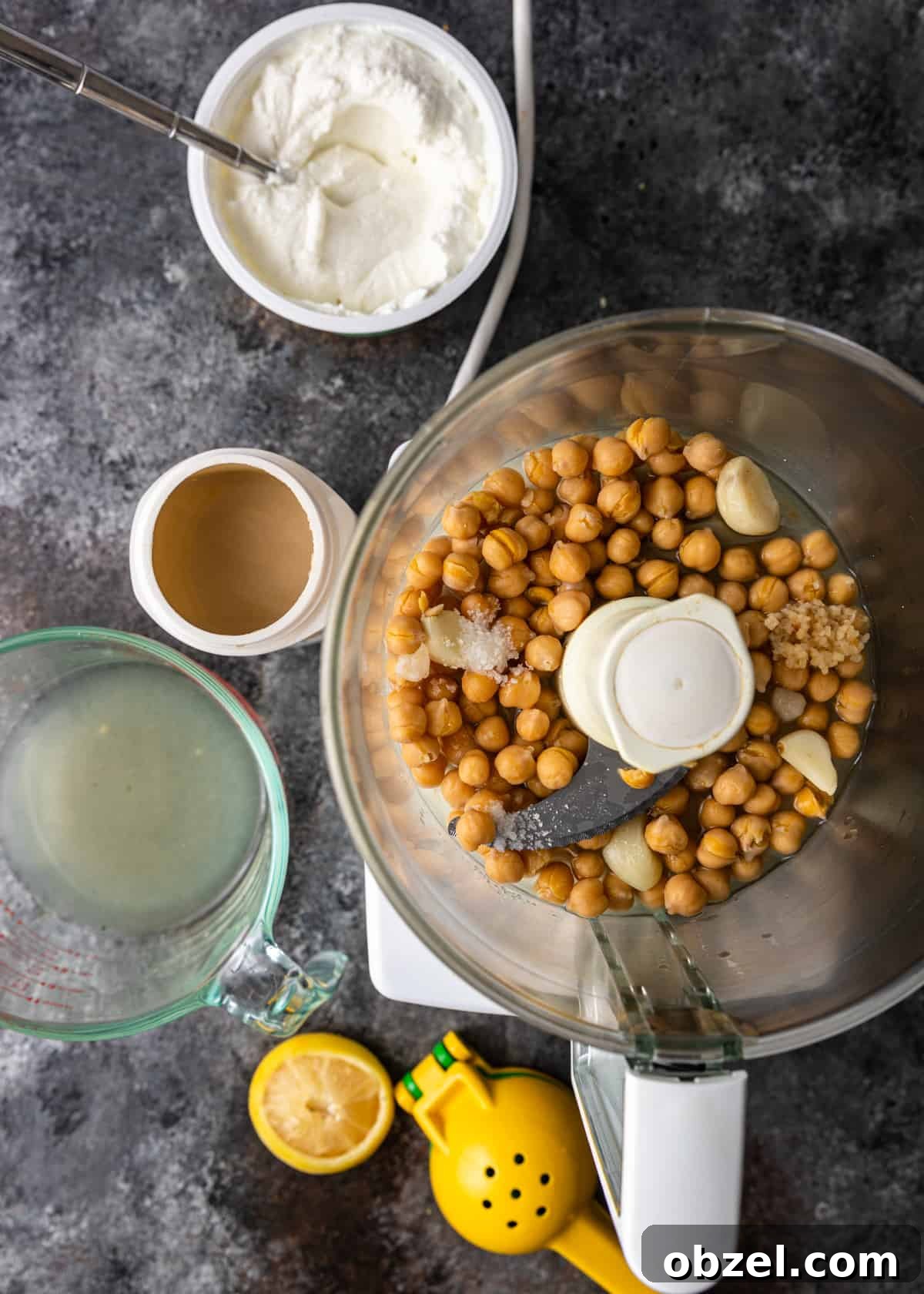
- Blend the hummus mixture. Transfer some of the warm chickpeas to a food processor with the cooked garlic, a little cooking liquid, lemon juice, Greek yogurt, tahini, and salt. Blend until smooth and creamy.
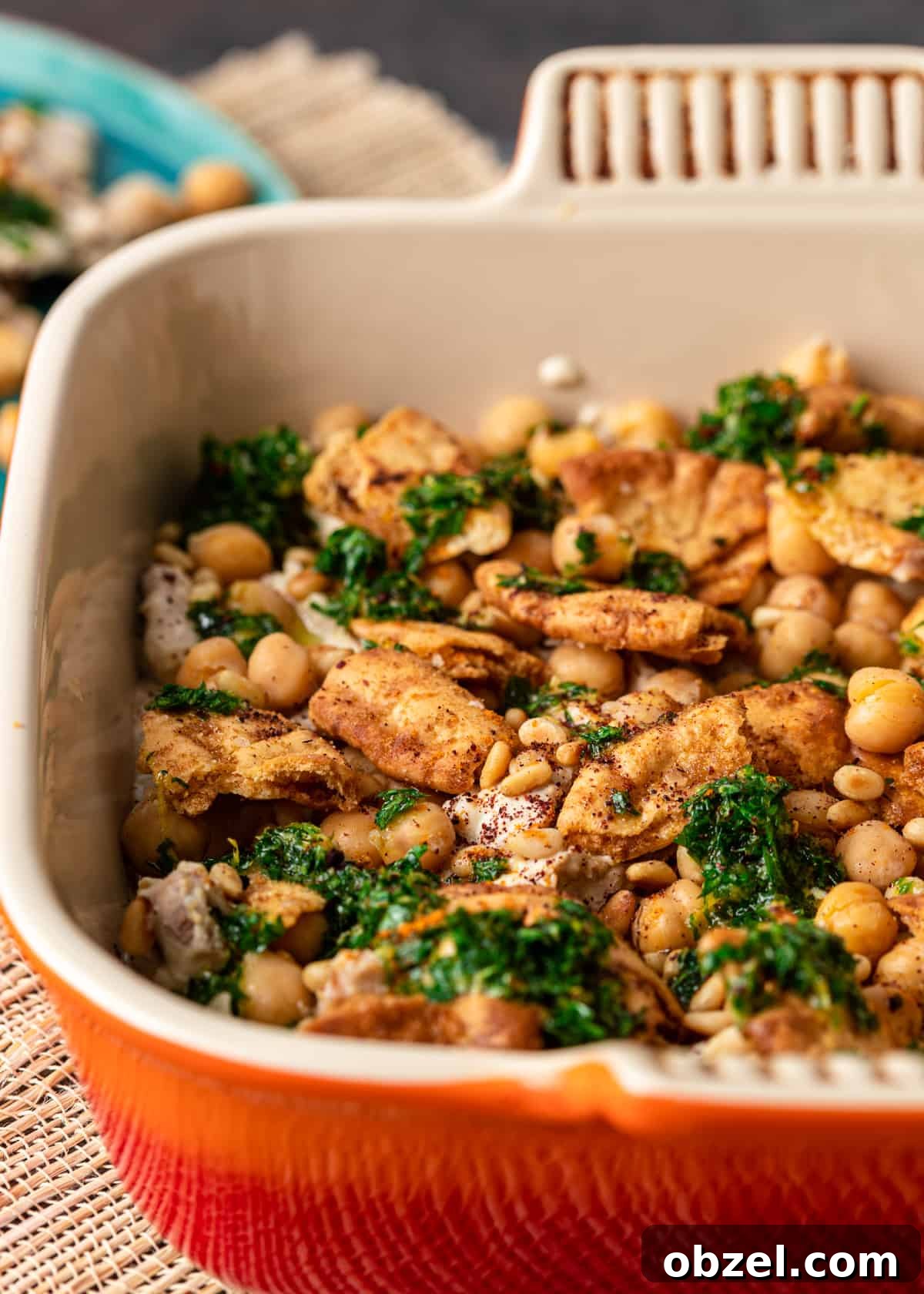
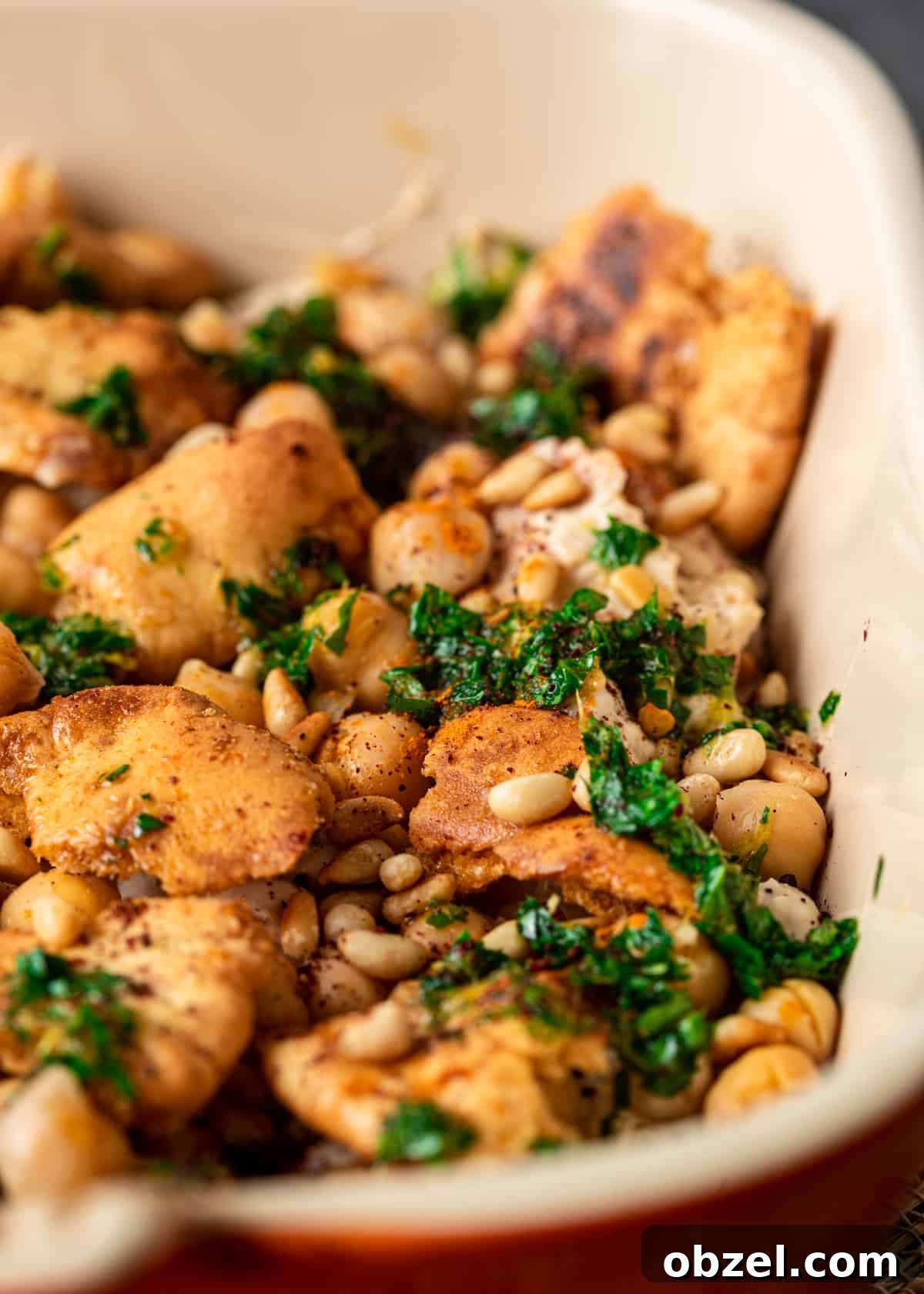
- Assemble the fatteh. Mix part of the toasted pita, pine nuts, warm chickpeas, and hummus together. Spoon into a serving dish, then top with the remaining pita, chickpeas, pine nuts, parsley oil, and sumac. Serve warm.
Recommended Tools
- Food Processor – A food processor or high-powered blender is the easiest way to make the hummus mixture smooth and creamy.
- Baking Sheet – Use a rimmed baking sheet lined with parchment paper or a silicone baking mat to toast the pita evenly.
- Serving Dish – A 9×13-inch dish works well for a shallow fatteh. Use an 8×8-inch dish if you prefer a deeper, casserole-style presentation.
Storing and Reheating
Fatteh is best served warm, shortly after it is assembled, while the pita is still crisp. Leftovers are still delicious, but the toasted pita will soften as it sits in the creamy hummus and yogurt mixture.
Store leftovers in a covered dish in the refrigerator. To reheat, place the fatteh in an oven-safe dish, cover it so the top does not burn, and warm it in the oven until heated through. If you want to bring back some crunch, toast a fresh batch of pita pieces and scatter them over the reheated fatteh before serving.
Frequently Asked Questions
This hummus mixture is meant to be fairly thick because it is used as the creamy base for the fatteh. If it feels too dense, add a little more of the warm chickpea cooking liquid to the food processor and blend again. Repeat in small amounts until it reaches the texture you like.
Fatteh can be eaten with a spoon or scooped up with extra pita. The crispy pita pieces on top are perfect for dipping, but you can serve additional toasted or fresh pita on the side if you are feeding a group.
Fatteh refers to a family of dishes built around broken or toasted bread. The remaining ingredients vary by region. This Levantine-style fattet hummus uses chickpeas, yogurt, tahini, and pita. Other versions may include rice, meat, different sauces, or alternate toppings.
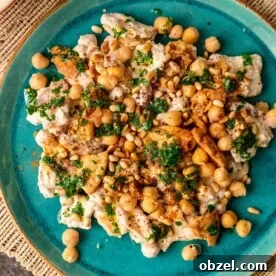
Fatteh (Crispy Pita Hummus and Yogurt)
Ingredients
Crispy Pita
- 3 pita breads, about 7 ounces total
- 2 tbsp olive oil
- 1/2 tsp ground cumin
- 1/2 tsp kosher salt
Topping
- 1/2 cup finely chopped flat leaf parsley
- 2 lemons, for 1/4 cup juice and 2 tsp zest
- 2 tbsp olive oil
- 1/4 tsp kosher salt
- 1/4 tsp red pepper flakes
Hummus
- 3 3/4 cups cooked chickpeas, or three 15.5 oz cans, drained
- 2 1/2 cups water
- 1 tsp ground cumin
- 4 cloves garlic, slightly crushed
- 2/3 cup plain Greek yogurt
- 1/2 cup tahini
- 1 tsp kosher salt
- 1/2 cup pine nuts
- 1/2 tsp sumac
Instructions
-
Preheat the oven to 350°F. Line a baking tray with parchment paper or a silicone baking mat and set it aside.
-
Place the chickpeas in a saucepan with 2 1/2 cups water, cumin, and lightly crushed garlic cloves. Bring to a boil, reduce the heat, and simmer uncovered for 10 minutes.
-
Tear the pita into 1-inch pieces and place them in a mixing bowl. Add olive oil, cumin, and salt, then toss until evenly coated. Spread the pita on the prepared baking tray and bake for 20 minutes, or until crisp and golden brown.
-
In a small bowl, stir together the parsley, lemon zest, olive oil, salt, and red pepper flakes. Set the topping aside.
-
Toast the pine nuts in a dry skillet over low heat until lightly golden and fragrant. Stir often and watch carefully so they do not burn.
-
Transfer 1 1/2 cups of the cooked chickpeas to a food processor. Add the cooked garlic cloves, 7 tablespoons of the cooking liquid, lemon juice, Greek yogurt, tahini, and salt. Blend until smooth.
Assembly
-
In a large mixing bowl, combine half of the toasted pita, half of the pine nuts, two-thirds of the remaining warm chickpeas, and the pureed hummus mixture. Toss gently to coat.
-
Spoon the mixture into a 9×13-inch dish, or use an 8×8-inch dish for a deeper fatteh. Top with the remaining pita chips, chickpeas, and pine nuts.
-
Spoon the parsley oil over the top and sprinkle with sumac. Serve warm.
Notes
- Use the side of a chef’s knife or a garlic press to lightly crush the garlic cloves before simmering.
- This recipe is adapted from Falastin.
Nutrition
Carbohydrates: 55g |
Protein: 20g |
Fat: 31g |
Saturated Fat: 4g |
Trans Fat: 1g |
Cholesterol: 1mg |
Sodium: 862mg |
Potassium: 618mg |
Fiber: 11g |
Sugar: 7g |
Vitamin A: 506IU |
Vitamin C: 29mg |
Calcium: 157mg |
Iron: 6mg
The nutrition information is an estimate from an online calculator and should not replace advice from a qualified nutrition professional.