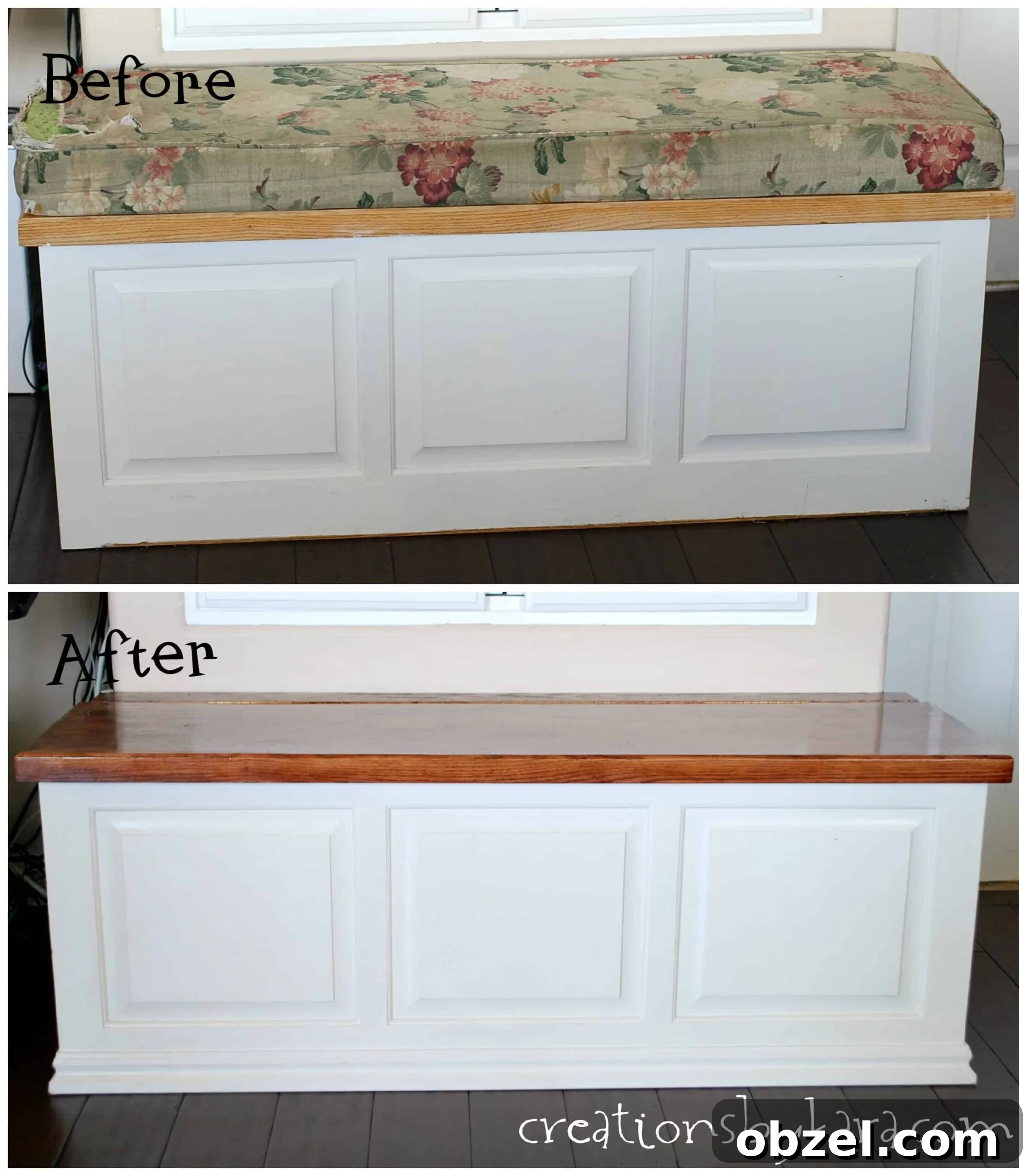
How to Stain Wood Like a Pro – practical tips and techniques for getting a smooth, even, professional-looking wood stain finish.
Learning how to stain wood properly can make a huge difference in the final look of furniture, built-ins, trim, and home decor projects. A good stain can warm up plain wood, update an older piece, or completely change the style of a room. The key is taking your time with the preparation, choosing compatible products, and applying each coat carefully.
For this project, I stained a piece of furniture that had already been stained before. These same wood staining tips also work on raw wood, and in many cases raw wood is even easier to work with because you are starting with a clean surface.
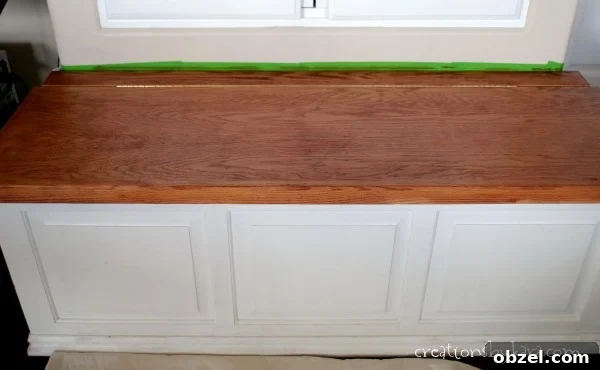
One important thing to remember before you begin: you can usually stain wood darker, but you cannot stain it lighter without stripping or sanding away the existing finish. In this example, an orange-toned oak storage box was restained to create a deeper cherry walnut look.
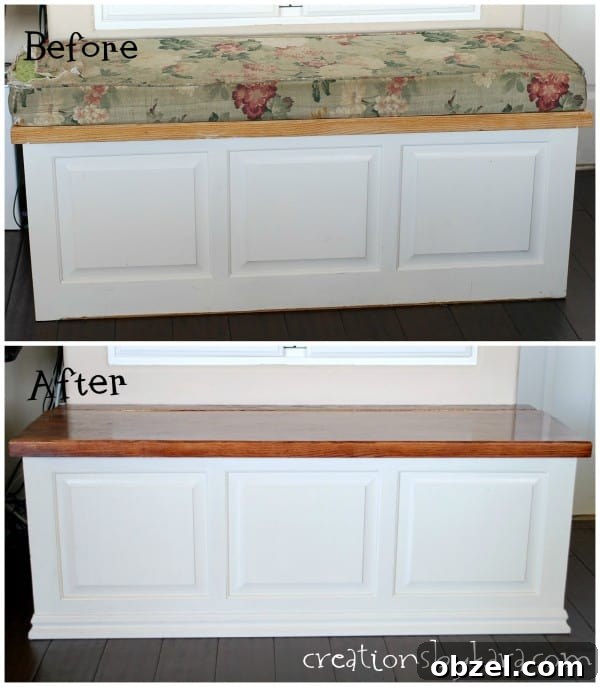
How to Stain Wood Like a Pro
Supplies:
Stainable wood filler
Sandpaper
Palm or orbital sander
Tack cloth
Wood conditioner
Wood stain
Lemon oil
Wet sandpaper
Polyurethane
Bristle brush
Soft cloths or rags
Before you buy your products, make sure the wood conditioner, stain, and polyurethane are compatible. Use either all oil-based products or all water-based products for the best results. For example, if you choose an oil-based stain, use an oil-based wood conditioner and an oil-based polyurethane. If you choose a water-based stain, choose water-based products for the other steps as well.
Oil-based stain is often a good choice for larger surfaces because it dries more slowly, giving you more time to work and helping the finish look even. Water-based stain can be useful when you want more color options. Pick your stain first, then choose the matching conditioner and protective topcoat.
Prep Wood for Staining!
Start by cleaning the surface thoroughly. Remove dust, grease, dirt, and any food residue if you are working on a tabletop or heavily used piece of furniture. Stain will not absorb evenly if the surface is dirty.
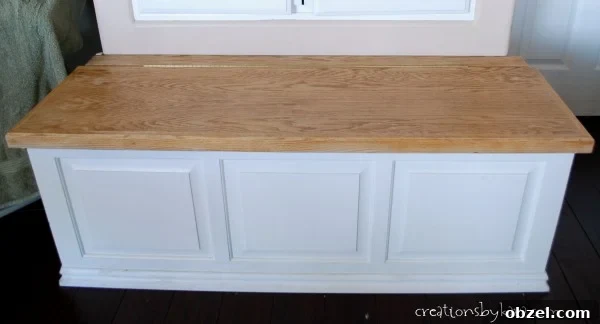
Next, fill any holes, dents, or deep scratches with stainable wood filler. Use enough filler to slightly mound it above the damaged area, because wood filler can shrink as it dries. Smooth it into place with your finger or a small putty knife, then allow it to dry completely before sanding.
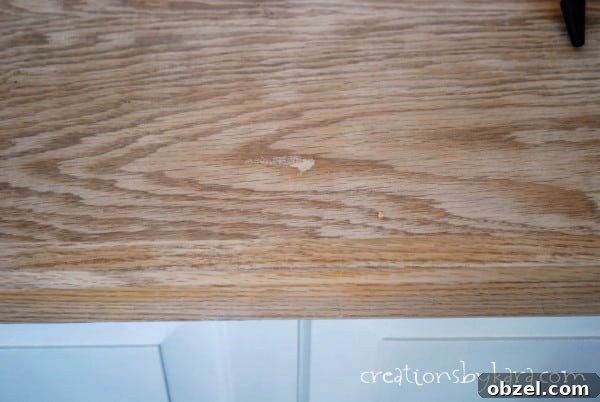
Once the filler is dry, sand the wood. Begin with a medium-grit sandpaper to smooth rough areas, then move to a finer grit for a cleaner finish. A palm sander or orbital sander is very helpful for large surfaces because it saves time and gives more consistent results than sanding by hand. Always sand with the direction of the wood grain, never across it, to avoid visible scratches.
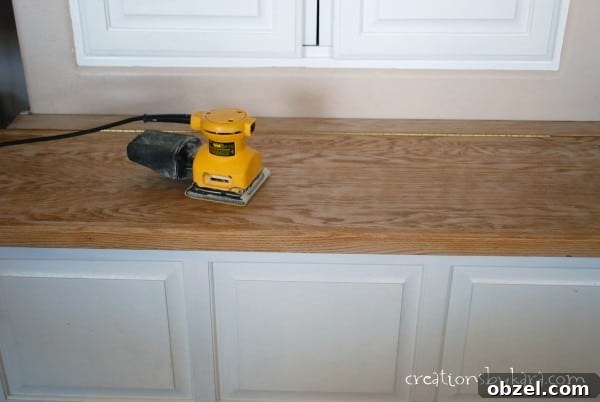
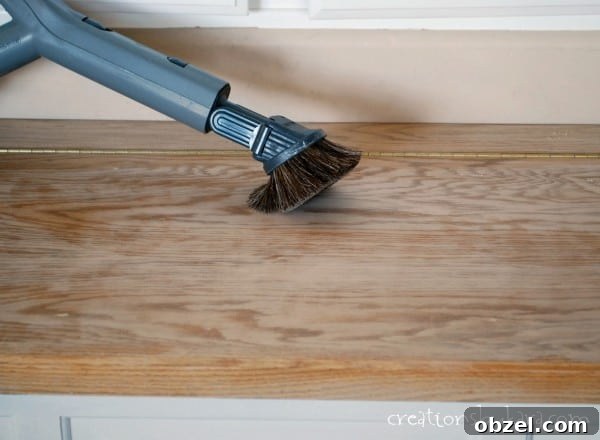
Sanding creates a lot of dust, so remove it as you work. A vacuum with a brush attachment is useful for lifting dust from corners, seams, and detailed areas.
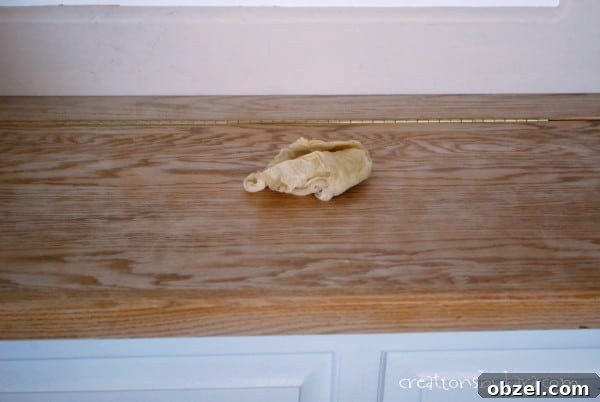
For the smoothest wood stain finish, remove every trace of dust before applying any product. A slightly damp cloth can help in a pinch, but a tack cloth works best because it picks up fine dust that ordinary rags often leave behind.
After sanding and cleaning, apply wood conditioner. This step helps the wood absorb stain more evenly and reduces blotchy areas, especially on softer or more porous woods. You can apply wood conditioner with a soft cloth or a brush. Work it into the surface, following the direction of the grain.
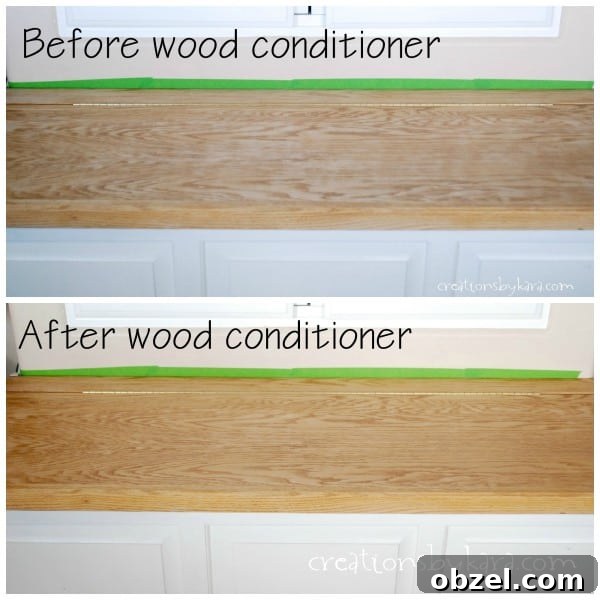
Staining the Wood:
After the wood conditioner has soaked in for about 15 minutes, you can begin applying the stain. For this project, a red mahogany wood stain was used to deepen the color and cover the orange tone of the original oak finish.
You can apply wood stain with a brush or a soft cloth. A brush works well for many projects, but it can sometimes flick stain onto nearby surfaces. For built-ins or indoor projects where you need more control, a soft cloth is often easier to manage. Apply the stain evenly, working with the grain, and wipe away any excess according to the product directions.
For a deeper color, apply additional coats. Let each coat dry completely before adding another one. Rushing this step can lead to sticky spots, uneven color, or a finish that does not cure properly.
Pro Tip: For the best and most even results, allow each coat of stain to dry completely, then lightly sand with 220-grit sandpaper. Wipe away all sanding dust with a tack cloth before applying the next coat.
Here is the wood after three coats of stain. The color may look slightly different in photos than it does in person, depending on lighting and the type of wood.
The next step is optional, but it can make the surface feel exceptionally smooth. Use lemon oil with very fine waterproof sandpaper. A 400-grit wet sandpaper works well for this technique.
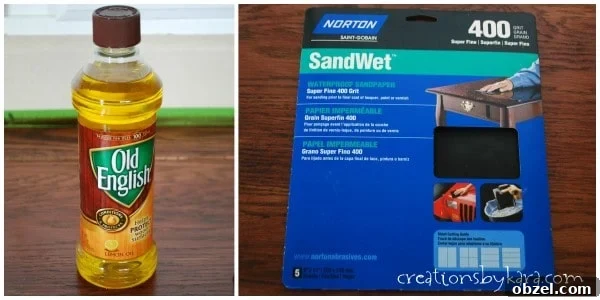
Apply lemon oil generously to the waterproof sandpaper, then lightly sand the stained wood surface with the grain. Do not press too hard; the goal is to smooth the finish, not remove the stain. When you are finished, wipe away any extra oil with a clean, soft cloth. The surface should feel silky and polished.
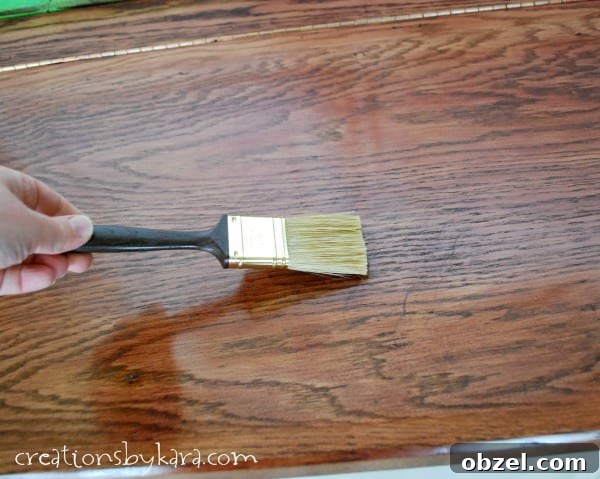
Once the stain is dry and the surface is smooth, apply a protective topcoat. Polyurethane helps protect stained wood from wear, moisture, and everyday use. For this project, a satin polyurethane finish was used.
When applying polyurethane, avoid using a rag because it can leave lint behind. A foam brush may create air bubbles. A quality bristle brush is the better choice for a smooth protective coat. Brush with the grain, use long even strokes, and avoid overworking the finish.
For furniture or built-ins that get a lot of use, apply multiple coats of polyurethane. Let each coat dry completely before adding the next one. Three coats were used on this storage box to give it a durable finish.
Here is the finished stained wood project:
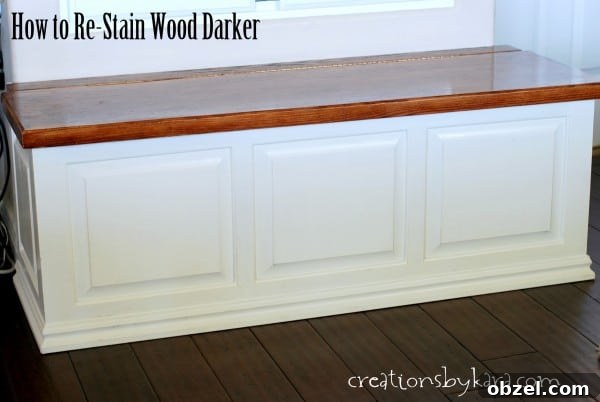
Now that you know how to stain wood like a pro, you can use these same steps on furniture, shelves, trim, storage benches, and other DIY wood projects. Careful sanding, clean surfaces, wood conditioner, thin coats of stain, and a strong protective finish are the secrets to a beautiful result.
MORE DIY PROJECTS:
- Oak Banister Makeover
- Slat Sign
- Picket Fence Sign
- Mudroom Cubbies
- Corner Bench
- Spray Painting Fireplace
- How to Install Trim
- Spray Painting Metal Patio Furniture
- DIY Key Holder