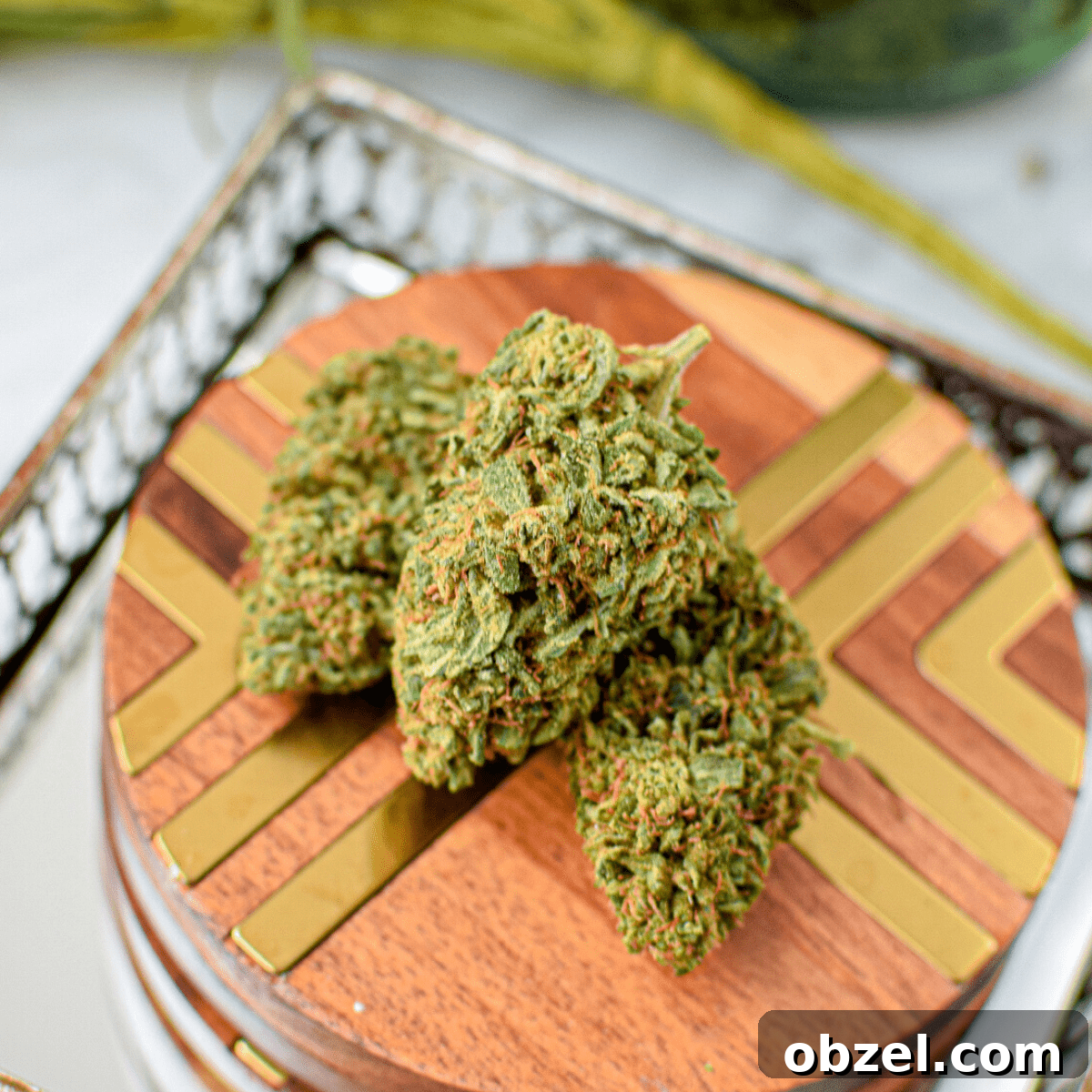
Did you know decarboxylation is an important step when making edibles or topicals from CBD flower? If you want to access the activated benefits of CBD, read on to learn how to decarb CBD flower and review lab results that support the best time and temperature.
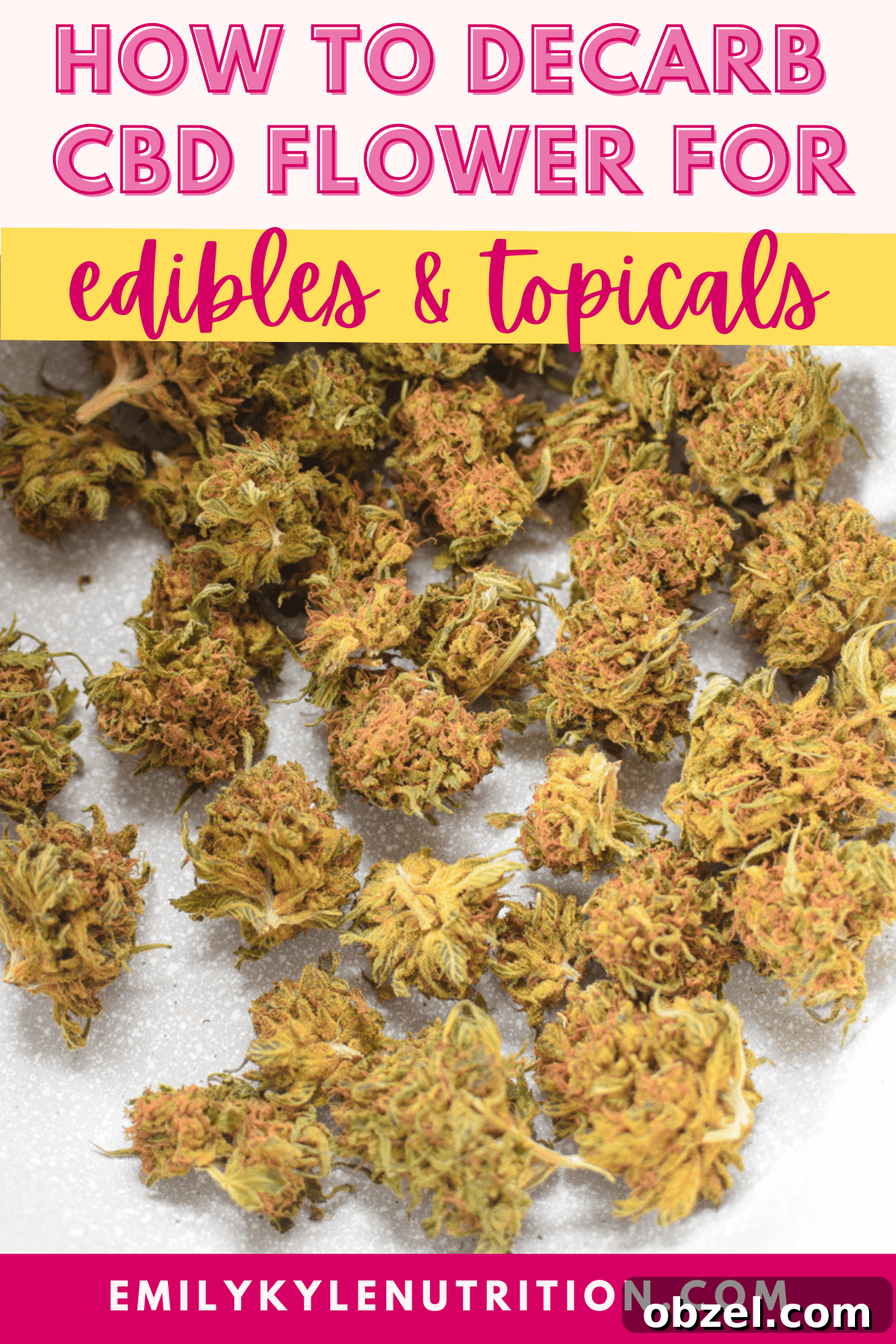
Article Features
- Clear, step-by-step instructions to convert CBDA in flower into active CBD
- Real lab testing results shared to show how well the method works
- Recommendations for quality CBD flower and simple sourcing options
Why You Will Love This Guide
CBD flower is growing in popularity because it offers many of the benefits associated with cannabis without producing a strong intoxicating high. Many people use it for relaxation, sleep support, and relief from everyday tension.
I’ve seen renewed interest from community members who report using CBD flower for pain relief and general relaxation. But a common question is: how do you turn the raw plant into an ingredient you can use in edibles and topicals?
One step many new consumers don’t realize is essential is decarboxylation — heating the flower so the naturally occurring acidic cannabinoid (CBDA) converts to the activated form (CBD). It might sound technical, but the process is simple and reliable when done correctly.
This guide explains what CBDA flower is, why decarboxylation matters, how to decarb safely at home, and how to use the decarboxylated flower to make oils, butters, and other CBD-infused products.
🚀 Test Your Knowledge
Coming Soon!
What You’ll Need
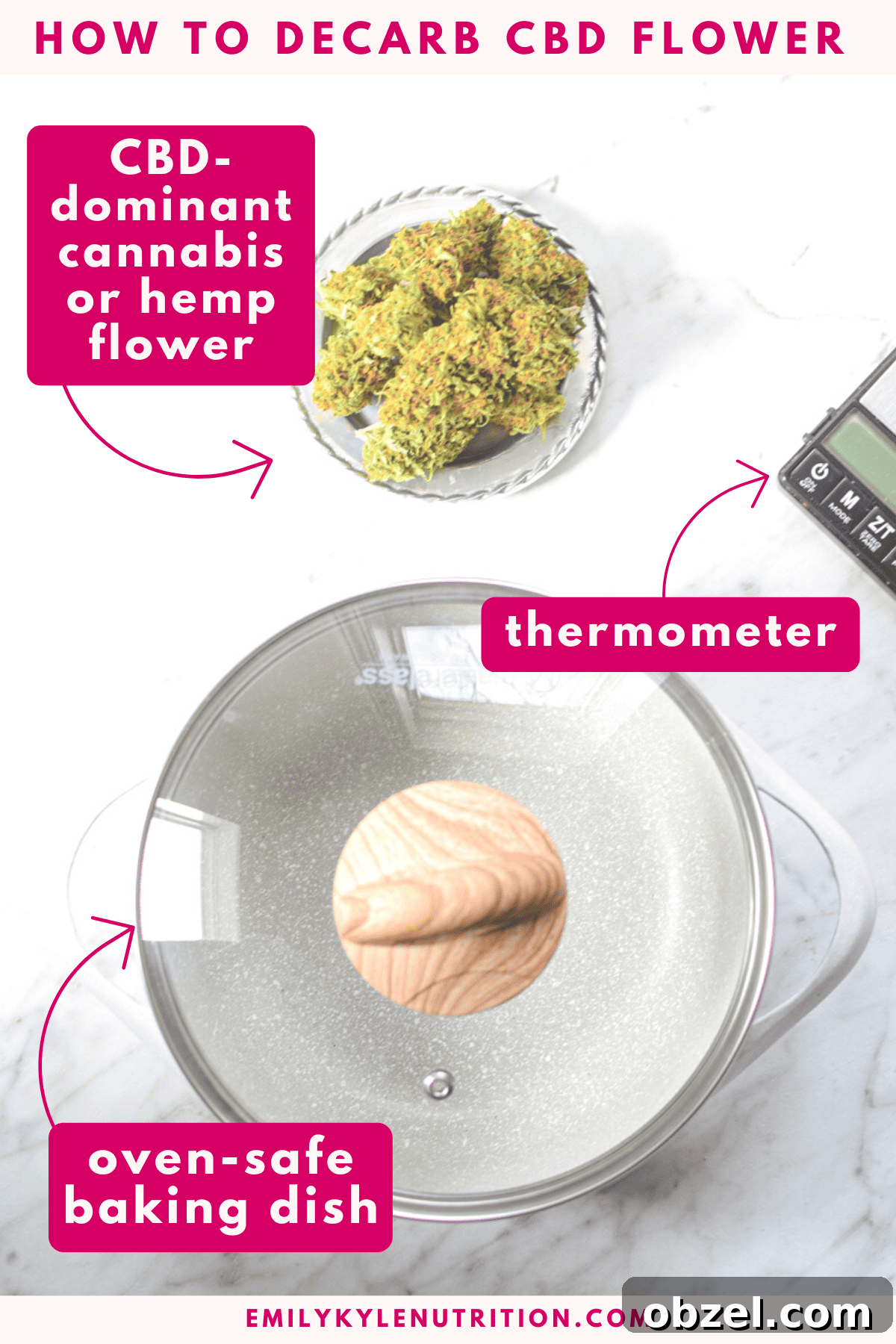
- CBD flower buds — or leaf, trim, shake, or kief in the amount you choose. Use high-quality hemp flower to get the most consistent results.
Note: a complete list of ingredient amounts and a printable version of these instructions are included in the recipe card below.
Step-by-Step Instructions
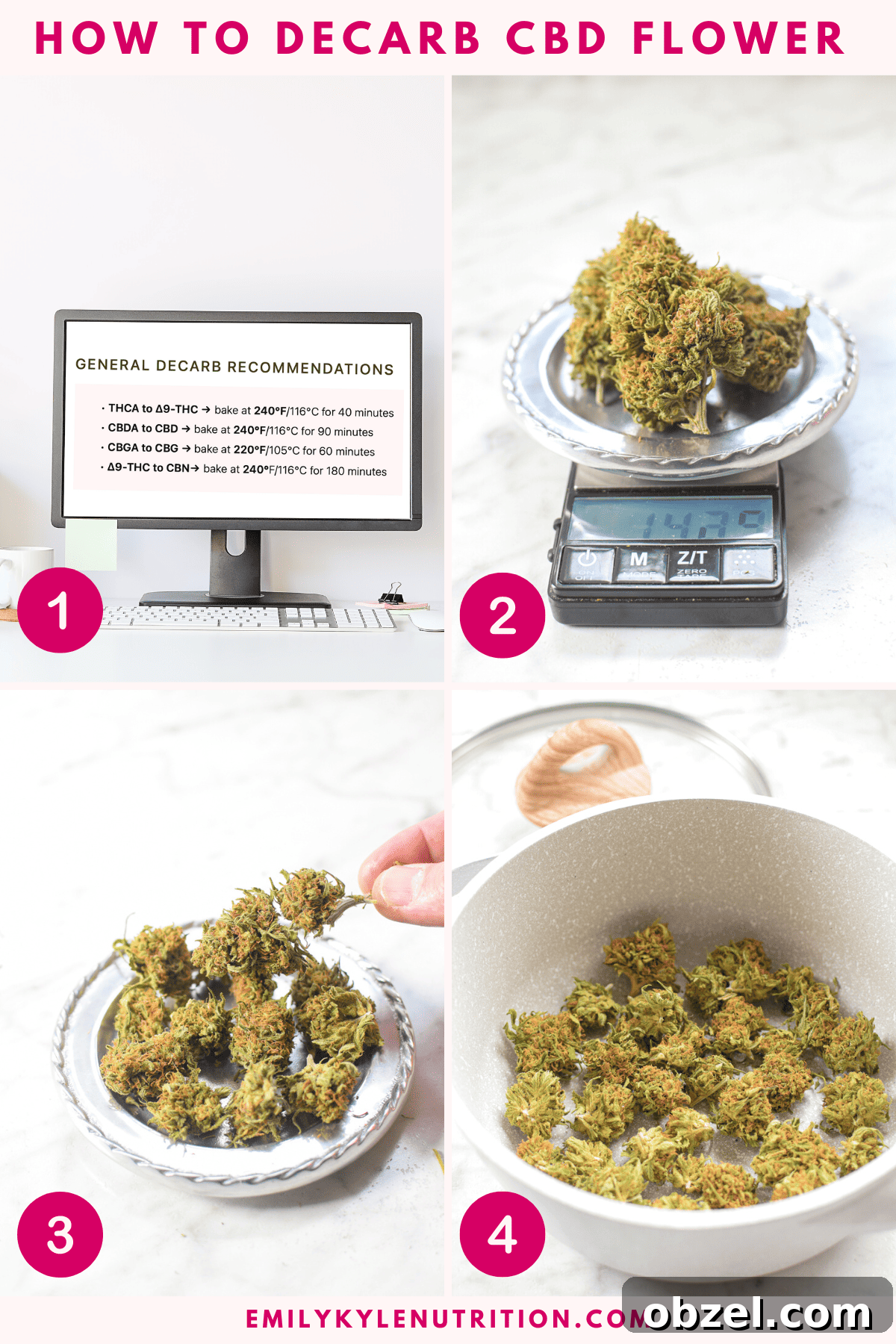
- Step 1 – Preheat your oven to 240°F (115°C).
- Step 2 – Use a digital scale to weigh the flower to your desired amount (examples: 3.5 g, 7 g, 14 g, or 28 g / 1 ounce).
- Step 3 – Gently break up the buds and remove any large stems or seeds.
- Step 4 – Spread the flower in an even layer in an oven-safe baking dish with a lid. If you don’t have a lid, cover the dish with foil. Avoid mounded piles; aim for a thin, uniform layer.
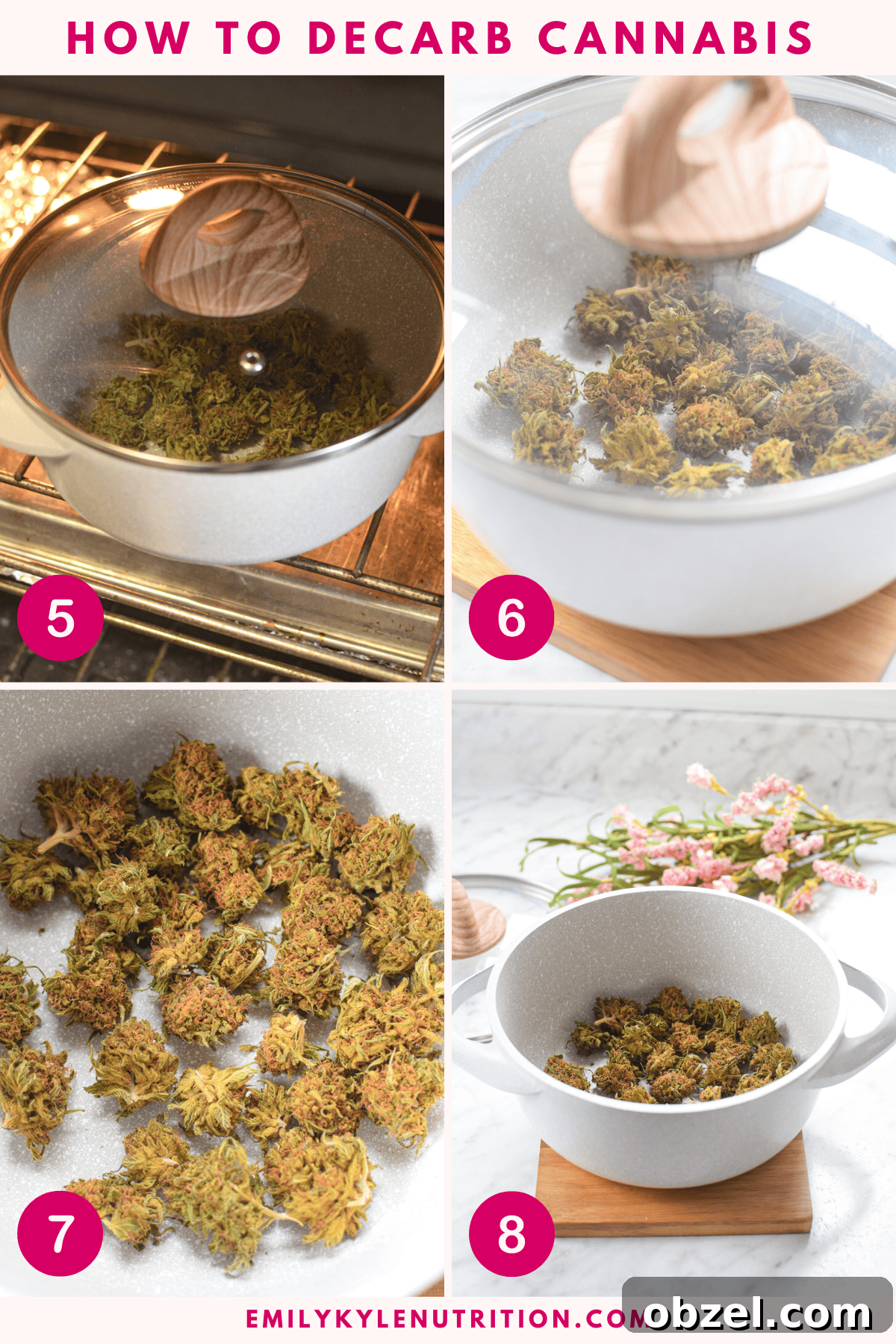
- Step 5 – Place the dish in the preheated oven and bake for 90 minutes for CBD-dominant flower. When finished, the material should be toasted brown and fragrant.
- Step 6 – Remove from the oven and allow it to cool completely with the lid on.
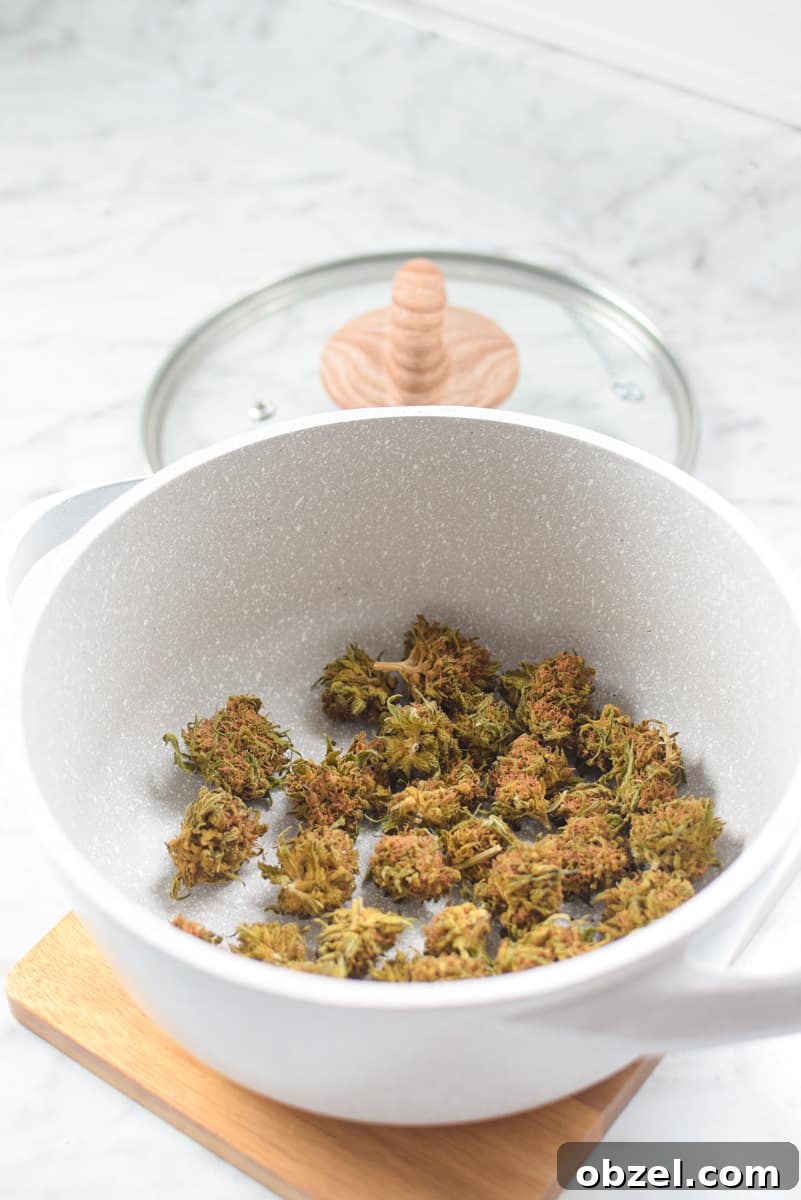
- Step 7 – Your decarboxylated flower is ready to use immediately in infusions and recipes.
- Step 8 – If you don’t use it right away, store it in an airtight container in a cool, dark place.
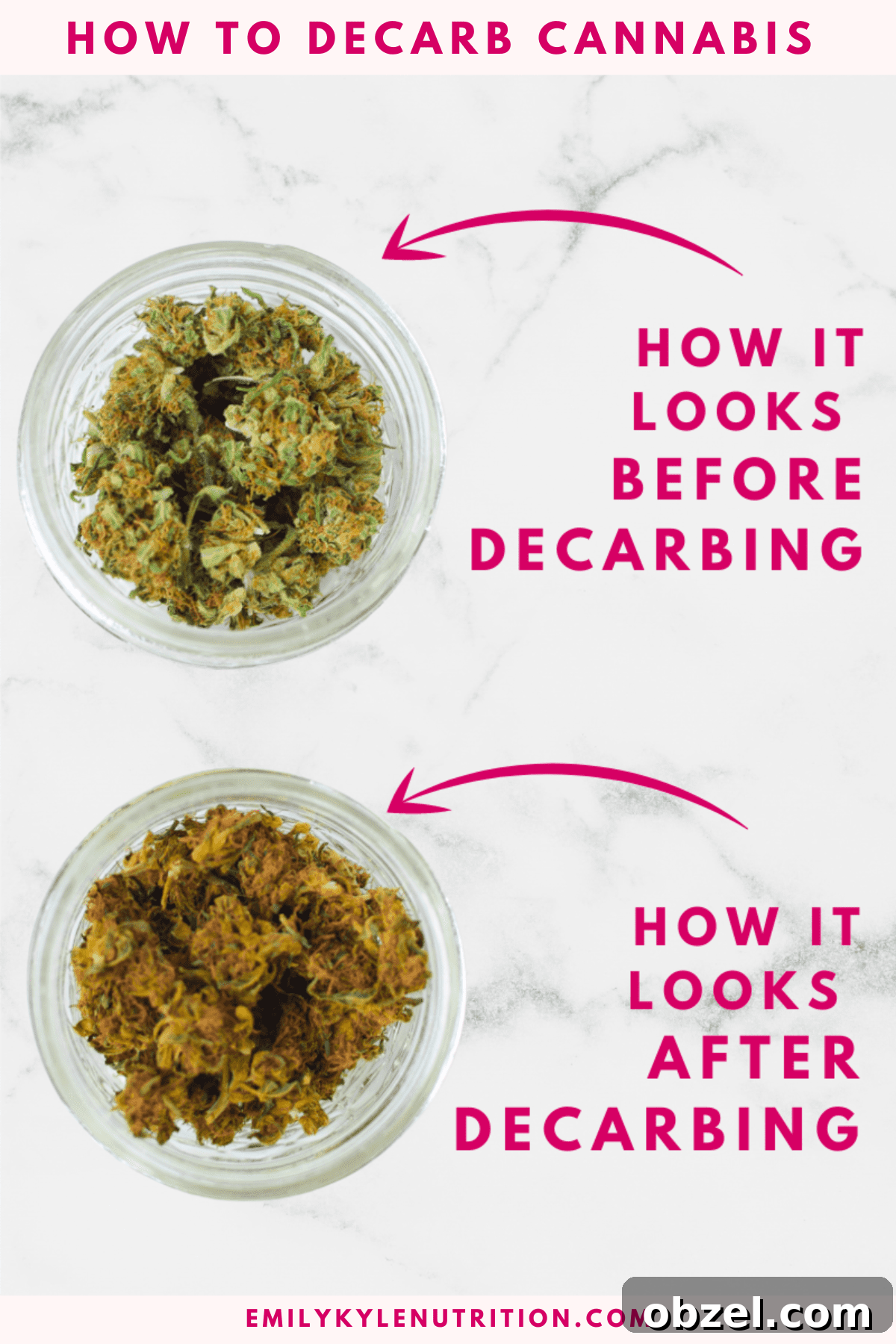
Note: Complete printable instructions are provided in the recipe card below.
Storage Instructions
After decarboxylation, store your decarbed cannabis in an airtight container such as a mason jar. Keep it in a cool, dark place where it will stay fresh for several months.
Freezing is an option if you want to preserve potency for a longer period, but make sure the container is sealed tightly to prevent moisture exposure.
You can use decarbed flower to make oils, butters, tinctures, edibles, and other CBD products at home.
What The Lab Tests Said
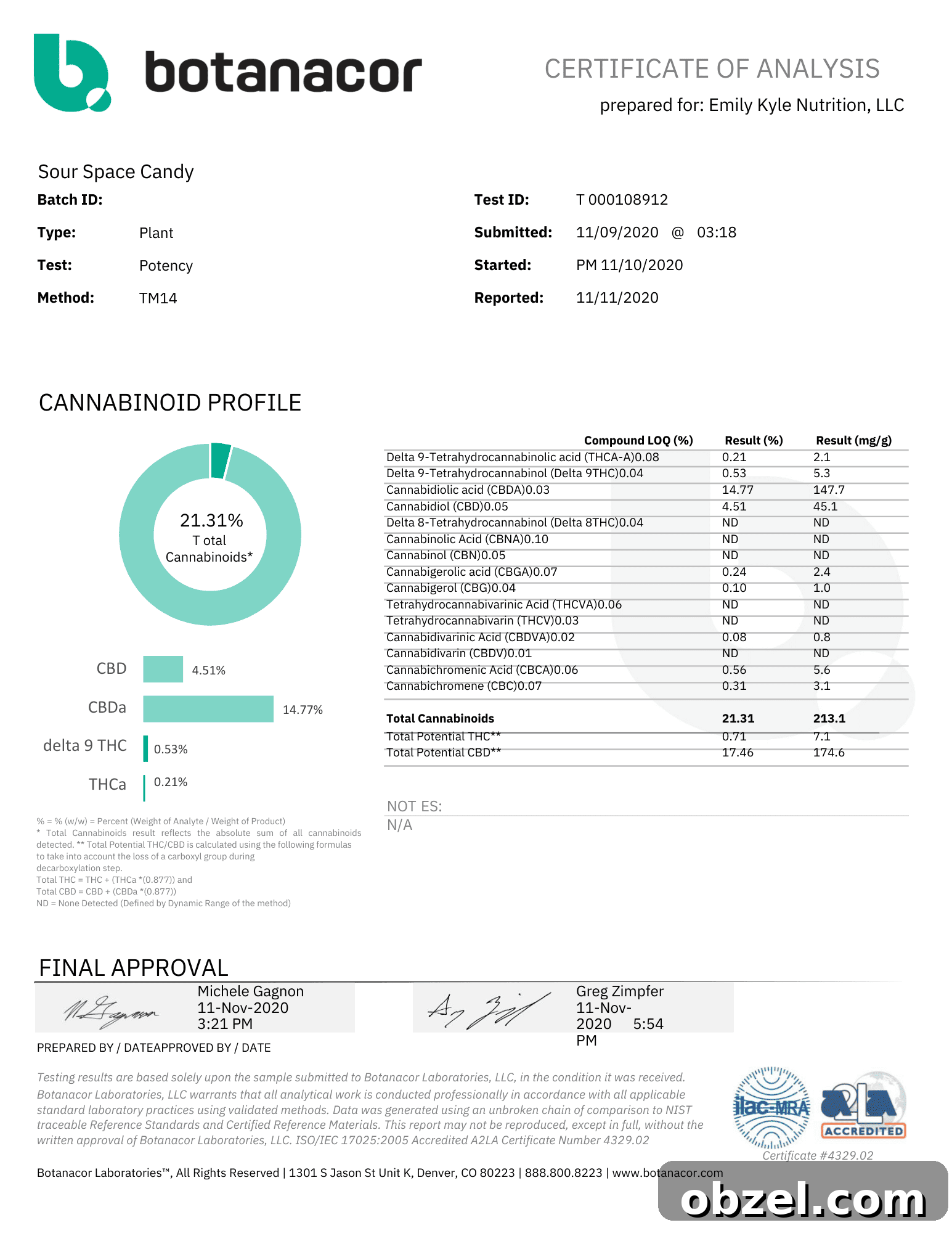
Home kitchens vary, but lab testing can provide a useful reference point. To test the method, two samples were analyzed: one raw sample to show baseline CBDA levels, and a second sample decarboxylated in a home oven.
The control sample (before decarb) shows the amount of CBDA present in the starting flower. The second test, after baking at 240°F for 90 minutes, shows how much CBDA converted to CBD under those conditions.
Before Decarb:
After Decarb:
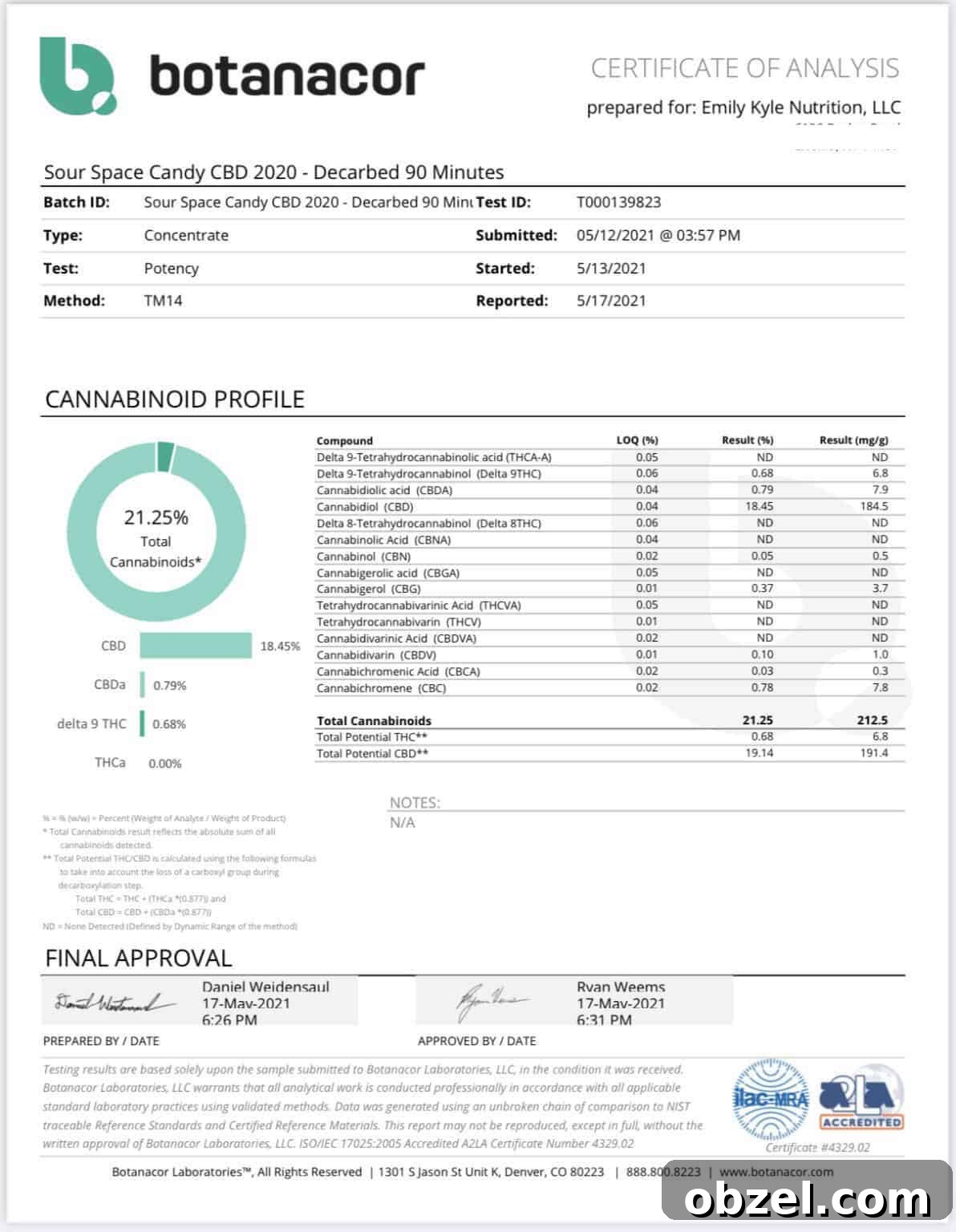
The second test demonstrates conversion of CBDA into CBD using the 240°F for 90 minutes home-oven method.
What is CBD Flower?
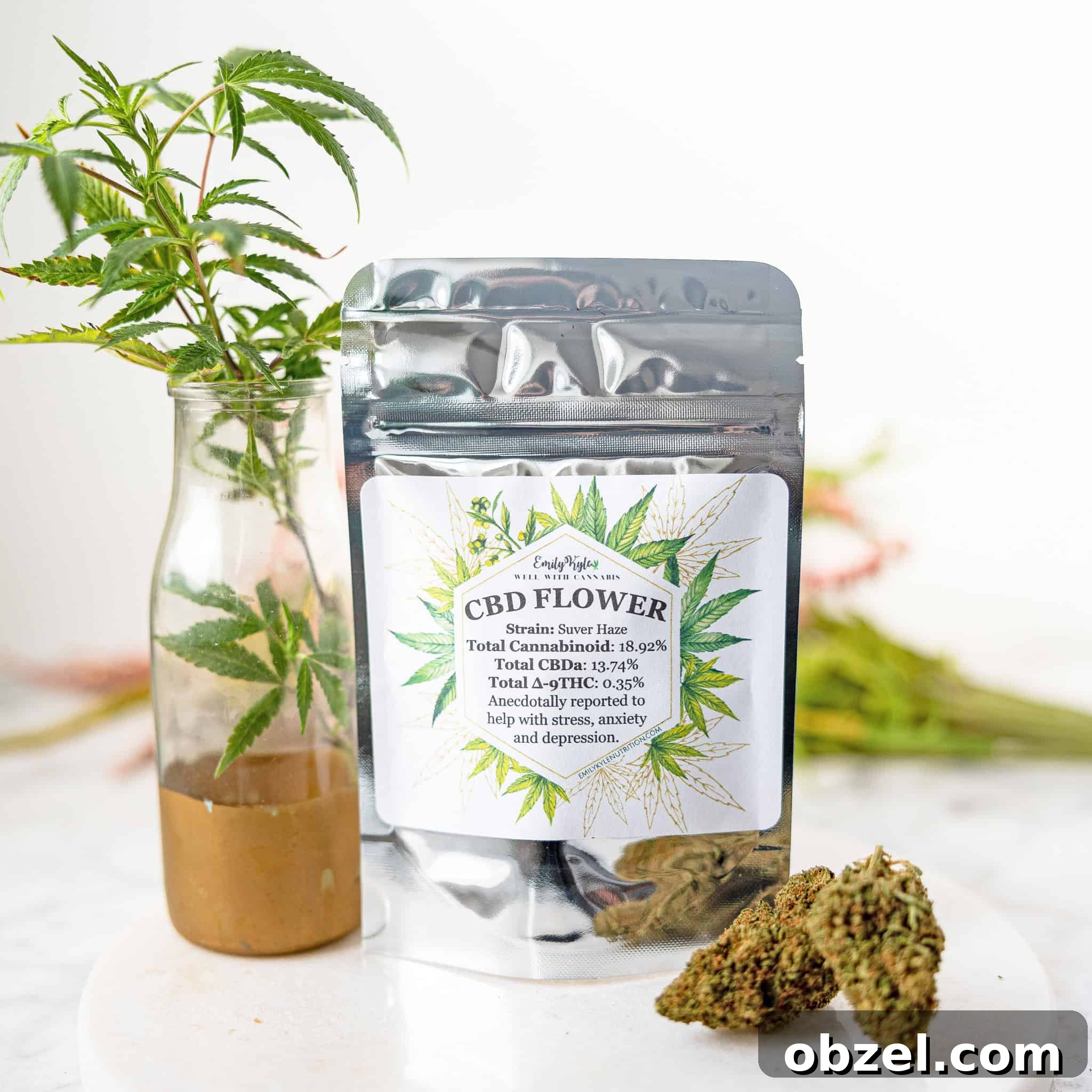
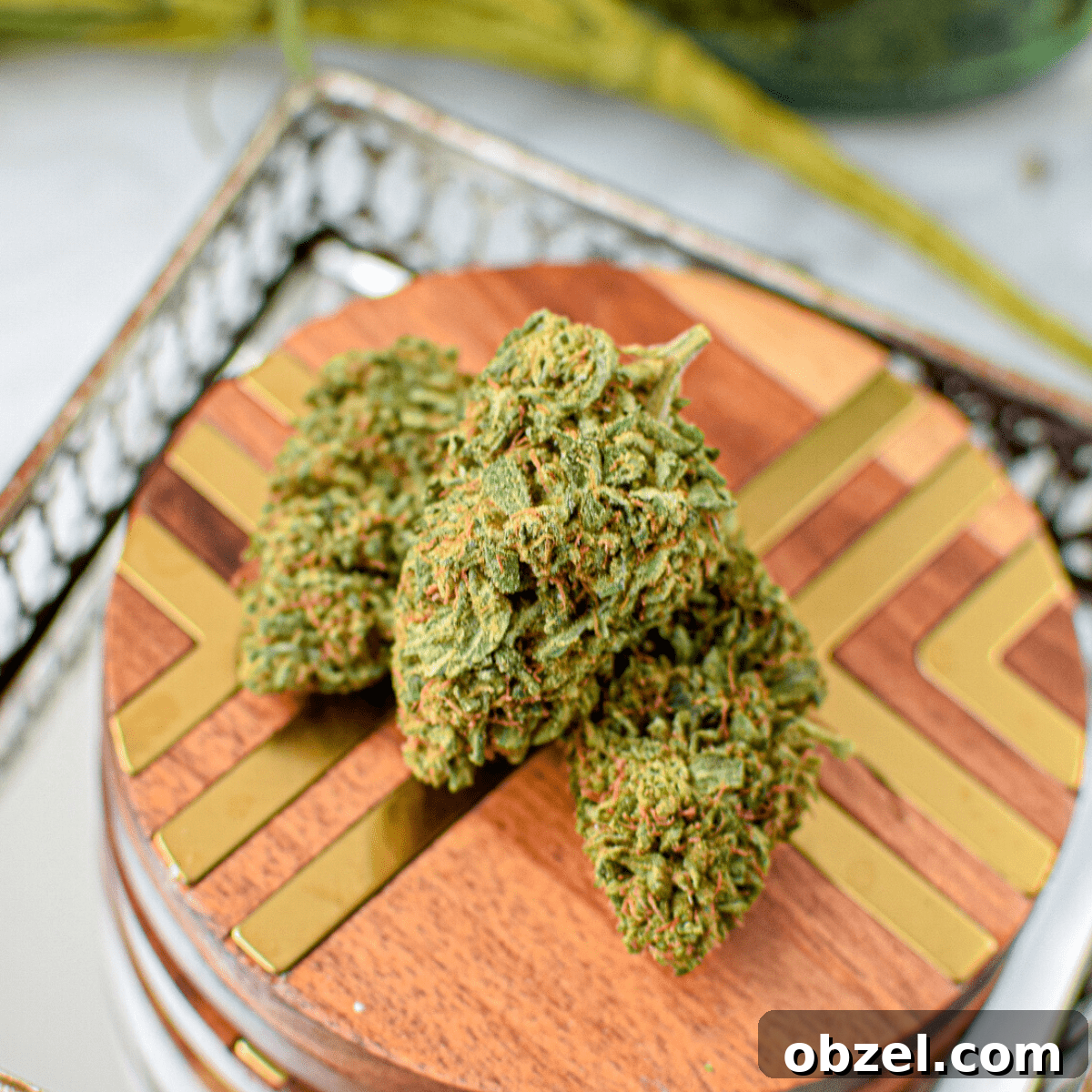
Cannabis plants come in many strains with varying cannabinoid profiles and terpene content. CBD-dominant flower is cultivated to produce higher levels of CBD and low levels of THC, resulting in the familiar scent and appearance of cannabis without strong intoxicating effects.
Third-party lab testing helps verify the cannabinoid content of any batch of flower, ensuring you know what is in the product you are using.
Chemically, CBD flower differs from high-THC flower in its cannabinoid ratios, but it will look, smell, and handle much like any other cannabis flower.
What is Decarboxylation?
Decarboxylation is the chemical process that converts acidic cannabinoids like CBDA and THCA into their active forms (CBD and THC) through the application of heat. Raw plant material contains mainly these acidic forms, which are not in the activated state used in most edibles, oils, and topicals.
Heating the plant gently causes a loss of a carboxyl group and transforms the molecules into their activated forms, which are the compounds typically measured and used in finished products.
Variations Will Occur
Oven decarboxylation or using a device designed for the purpose (such as a decarb machine) are both practical at-home options. The oven method is straightforward and easy to control in most kitchens.
Keep in mind that higher temperatures speed up decarboxylation but can also increase the risk of degrading desirable compounds. A moderate, steady temperature like 240°F for 90 minutes is a good balance for CBD-dominant flower.
This is not a perfect, lab-controlled process, and it does not need to be. A few factors that influence results include:
- Chemical profile: The starting cannabinoid composition of the flower affects final potency.
- Oven accuracy: Temperature can vary between ovens and even within different parts of the same oven.
- Method used: Oven, water bath, or electronic decarboxylators will yield slightly different outcomes.
- Temperature and time choices: Different combinations change how quickly and completely decarboxylation occurs.
Despite these variables, the same goal is achieved: converting acidic cannabinoids into active cannabinoids suitable for homemade infusions and edibles.
You Want to Decarb For Edibles
After decarboxylation, CBD flower can be used to make almost any edible you’d make with cannabis: oils, butters, baked goods, and more. While these products won’t produce a strong intoxicating effect if CBD-dominant, they can provide the therapeutic and relaxation benefits many people seek.
For CBD-dominant flower, a common and effective recommendation is to bake at 240°F for 90 minutes. This converts CBDA into CBD, allowing you to use the flower for infusion and extraction methods such as CBD oil, CBD-infused butter, and baked goods.
- CBD oil
- CBD cannabutter
- CBD brownies and cookies
- Other infused foods and seasonings
How to Decarb CBD Flower
Equipment
- Digital scale
- Oven-safe baking dish with a lid (or foil)
What You Need
- 1 ounce CBD flower buds (or leaf, trim, shake, or kief — adjust amount as desired)
Instructions
- Preheat the oven to 240°F (115°C).
- Weigh the cannabis flower to your desired amount using a digital scale.
- Gently break up the buds and remove any large stems or seeds.
- Spread the flower evenly in an oven-safe baking dish and cover with a lid or foil.
- Bake for 90 minutes. The flower should turn a toasted brown and become fragrant.
- Remove from the oven and let cool completely with the lid on.
- Store in an airtight container in a cool, dark place, or use immediately in infusions and recipes.
Notes
- Long-term storage: Decarbed CBD flower can keep for several months when stored in a sealed jar in a cool, dark place. Freezing can extend shelf life further when properly sealed.
Nutrition
Join a community for support, recipe ideas, and tips for working with CBD products.
Frequently Asked Questions
Placing a mason jar directly into a dry oven is not recommended; thermal shock can cause glass to crack or shatter. Use an oven-safe dish or cover with foil instead.
Yes. Dedicated decarboxylation devices and countertop machines are available that automate the process and can offer precise temperature control.
Hemp containing less than 0.3% THC is federally legal in many jurisdictions, but laws vary by state and locality. Check local regulations to confirm legality before purchasing or using hemp flower.
Access to medical cannabis varies by location. Some people obtain products through licensed dispensaries or regulated online retailers. If you need medical guidance, consult a qualified health professional.
In Conclusion
Decarboxylation unlocks the active forms of cannabinoids in CBD flower, making them useful in edibles, oils, and topicals. The oven method—240°F for 90 minutes—is a simple, effective approach for CBD-dominant flower and is backed by the test results shared here.
Understanding and using decarboxylated flower helps you make the most of hemp-derived ingredients in your homemade products while maintaining control over potency and flavor.
If you want more guided learning, consider workshops and community resources that offer detailed demonstrations and support for making CBD and THC products safely and effectively.
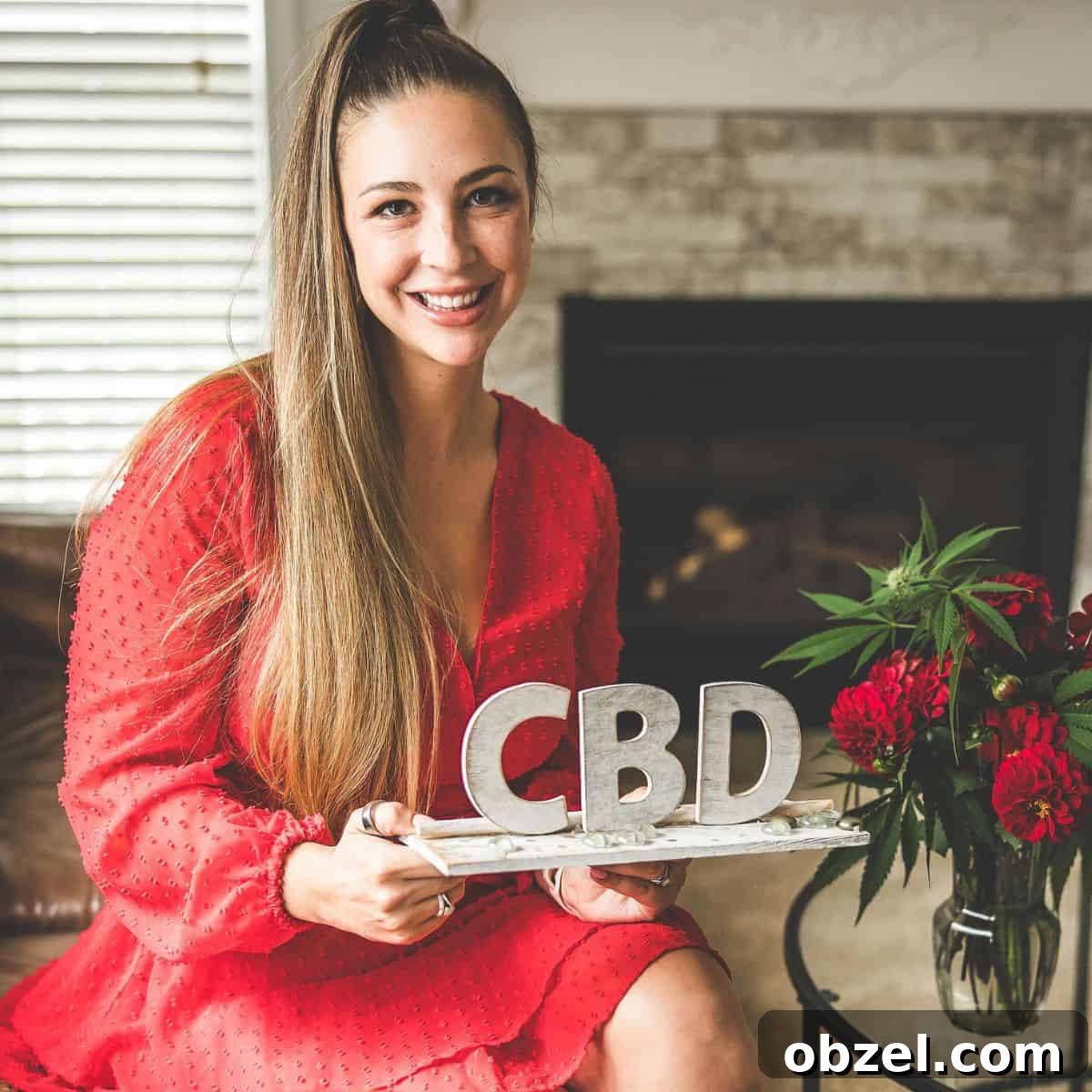
Unlock the Essentials of CBD in Five Days
An immersive workshop can help you explore how CBD and THC support wellness, offering practical tips and expert guidance for safe and effective use.
More CBD Articles You May Like
CBD Guides & Recipes
Your Guide to Getting Started with CBD Flower
CBD Guides & Recipes
How To Cook With CBD Oil + 15 Recipes
Cannabis Infusions & Extractions
Easy Homemade CBD Oil Recipe
CBD Guides & Recipes