I used to love making pie. Before switching to gluten-free recipes, that is. I loved crimping crust edges and weaving lattice tops—there’s something satisfying about a pretty pie.
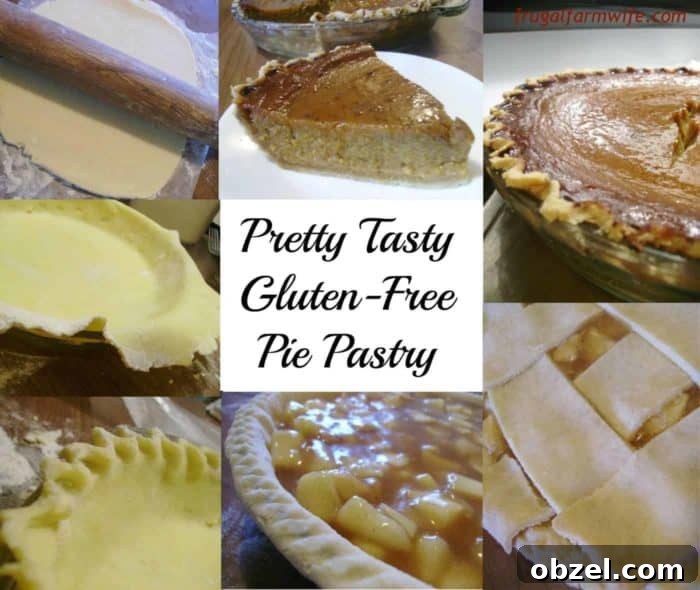
Pretty pies taste better. Don’t let anybody tell you otherwise.
When I married Gabriel and began cooking exclusively gluten-free, my enthusiasm for pie-making faded after several crusts turned out mediocre. I thought gluten-free pastry was just harder to work with—until a little experimenting changed everything.
Thanksgiving is coming, and pie is essential. Determined to have a beautiful, rollable crust, I revisited recipes and tried new flour combinations. The breakthrough came with sweet rice flour (also called sticky or glutinous rice flour). It behaves differently than plain brown or white rice flour and adds a pleasant chew and structure to gluten-free dough.
My mother-in-law had given me boxes of sweet rice flour, and after experimenting—especially when I ran out of cornstarch—I adapted a home flour-mix idea and developed a crust that rolls, holds edges for crimping, and bakes with great texture and taste. This crust isn’t fragile, and it withstands filling and baking without falling apart. Best of all, it feels like a classic pie crust in the mouth.
Why this gluten-free pie crust works
This recipe combines a few different flours and a small amount of guar gum to mimic the elasticity and cohesion that gluten provides. Sweet rice flour lends a subtle stickiness that helps the dough hold together, while brown rice flour and cornstarch keep the texture light. A bit of chilled butter, an egg, and just enough water finish the dough so it can be rolled thin and shaped without crumbling.
If you’re new to gluten-free baking, a couple of practical tips will help: work with cold butter, avoid overworking the dough, and roll between parchment or waxed paper generously dusted with rice flour. Chilling the dough briefly after shaping can also make crimping cleaner and more precise.
I haven’t priced sweet rice flour in bulk locally yet, but even if it’s a little more than common flours, the payoff of a beautiful holiday pie is worth it. With a reliable gluten-free crust, you can make single or double crust pies, decorative lattices, or a crimped edge that looks professional.
Tasty Gluten-Free Pie Crust

No reviews
Having a good pie crust makes all the difference—this delicious gluten-free crust is a real crowd pleaser. It rolls, bakes, and crimping holds well for classic presentations.
- Author: Elise
Ingredients
Scale
- 1/4 cup brown rice flour
- 1/4 cup cornstarch
- 1/2 cup sweet rice flour
- 1/2 teaspoon guar gum
- 1/4 teaspoon salt
- 6 tablespoons unsalted butter, cold
- 1 egg
- 2–3 tablespoons water, as needed
Instructions
- Mix all dry ingredients. Cut in butter until the mixture resembles coarse crumbs. TIP: pulsing in a food processor is quick and effective.
- Add egg, and enough water to form a ball that’s moist enough to hold together, but not sticky.
- Roll out on a piece of parchment or waxed paper that has been generously dusted with rice flour.
- Turn into a 9 inch pie plate. Trim excess, crimp edges and fill with your favorite filling.
- Alternatively, pre-bake crust (for no-bake pies) in a 425ºF oven for 15 minutes.
- Enjoy!
Notes, tips and variations
Storage: Wrap any unused dough tightly in plastic and refrigerate for up to 48 hours, or freeze for longer storage. Thaw in the refrigerator before rolling. Baked crusts keep well in an airtight container for a few days; warm briefly in the oven before serving for best texture.
Substitutions: If you don’t have brown rice flour, a fine white rice flour can work, though brown rice adds a subtle nutty flavor. If you prefer not to use guar gum, xanthan gum is a suitable substitute at the same small quantity, but results may vary slightly.
Rolling and shaping: Roll the dough between two sheets of parchment to prevent sticking and to reduce the need for extra flour. Dust with rice flour rather than wheat flour. Chill the rolled crust briefly before trimming and crimping for clean edges. For decorative tops, cut shapes and place them on top of the filling, or weave a lattice as you would with a traditional crust.
Baking notes: Oven temperatures vary; if your crust browns too quickly, cover the edges with foil or a pie shield. For blind-baking, dock the bottom with a fork and use pie weights or dried beans to prevent bubbling. Let the baked crust cool slightly before filling with delicate no-bake fillings.
Serving ideas: This versatile gluten-free crust pairs well with pumpkin, apple, pecan, or cream pie fillings. Because it holds up well, you can confidently add heavier fillings or decorative tops without worrying about collapse.
Final thought: With a few simple techniques and the right flour mix, gluten-free pie crusts can be both attractive and delicious. Practice once or twice to build confidence—soon you’ll be making pies that look as good as they taste.