If meal planning feels stressful, the problem is probably not your cooking skills, your schedule, or a lack of dinner ideas. More often, it comes from the pressure to make every meal feel completely new. Somewhere along the way, weeknight dinner started to feel like it had to be creative, exciting, and different every single night.
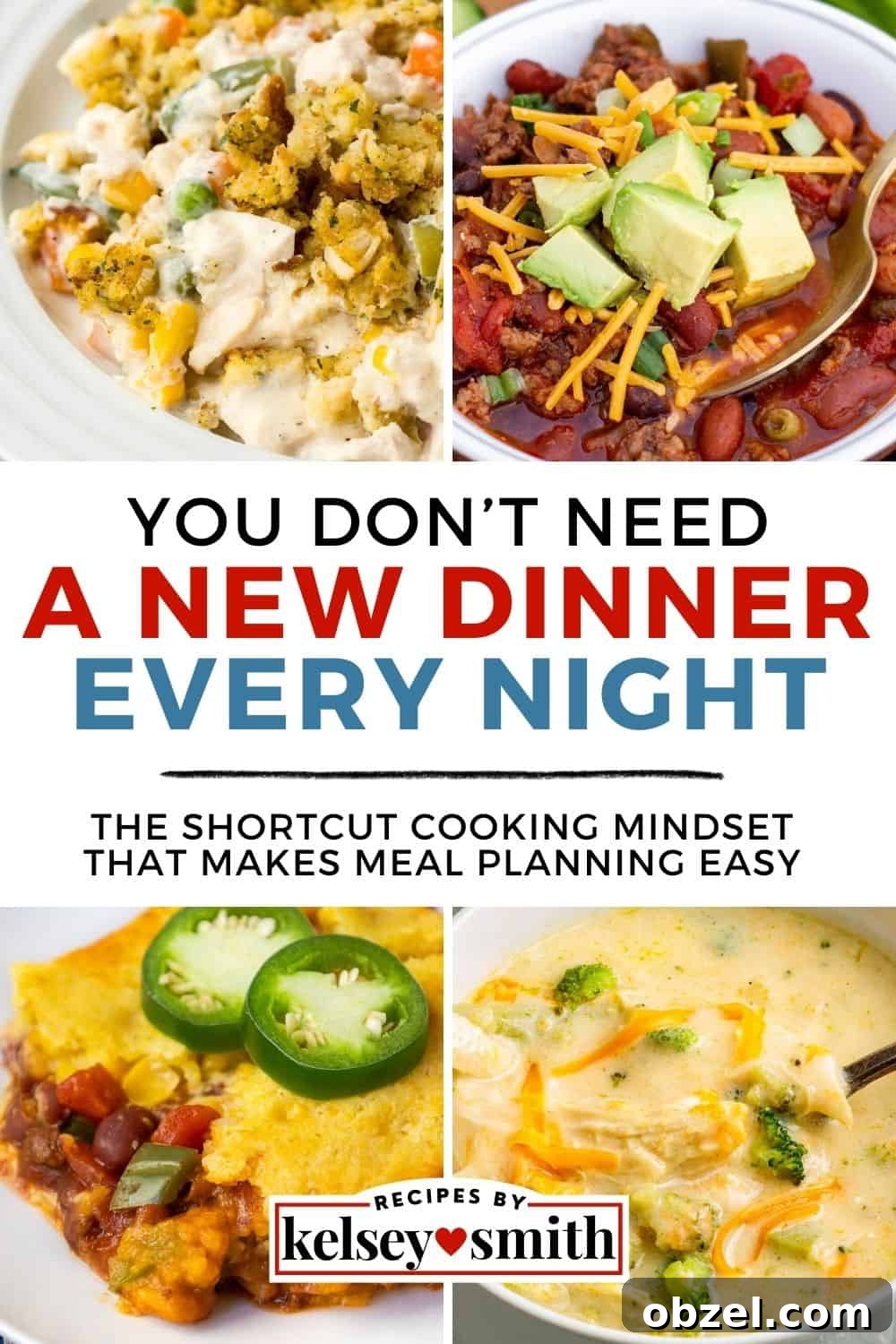
Different cuisines, different flavors, different ingredients, and different “vibes” can sound fun at first. But when you are trying to feed yourself or your family after a long day, that expectation gets exhausting fast. You do not need to cook your way around the world between Monday and Friday. You need a simple meal planning system that makes dinner easier to manage.
The Problem With Too Much Variety
It is easy to get stuck in the endless cycle of searching for new, different, and exciting dinner ideas every week. One night might be Italian sausage rigatoni. Another night might be Southwest chicken bowls. Then maybe you plan old-fashioned meatloaf for another evening.
At first, that kind of variety seems helpful. By Wednesday, the decisions start to feel heavy. By Thursday, the plan often falls apart because every meal requires a new idea, a new grocery list, and a new burst of energy.
This is where shortcut cooking becomes so useful.
Shortcut Cooking Is About Building Blocks
Shortcut cooking is not about being lazy, and it is not about sacrificing flavor. It is about starting with a solid base that can work for more than one meal. Instead of treating every dinner like a brand-new project, you build from ingredients or recipes you already have.
Instead of asking:
“What brand-new recipe am I making tonight?”
You ask:
“How can I reuse what I already made?” or “How can I make different meals with shared ingredients?”
That simple mindset shift can make weeknight dinners feel much more manageable. It is also why having a semi-homemade pantry is so helpful. When you keep versatile ingredients on hand, you do not have to start from scratch every night. You can create easy dinners from familiar building blocks.
A Real-Life Example: Chili Isn’t a One-Night Meal
There is a practical middle ground between eating something totally different every night and eating the exact same dinner all week. Chili is a perfect example because it shows how shortcut cooking works in real life.
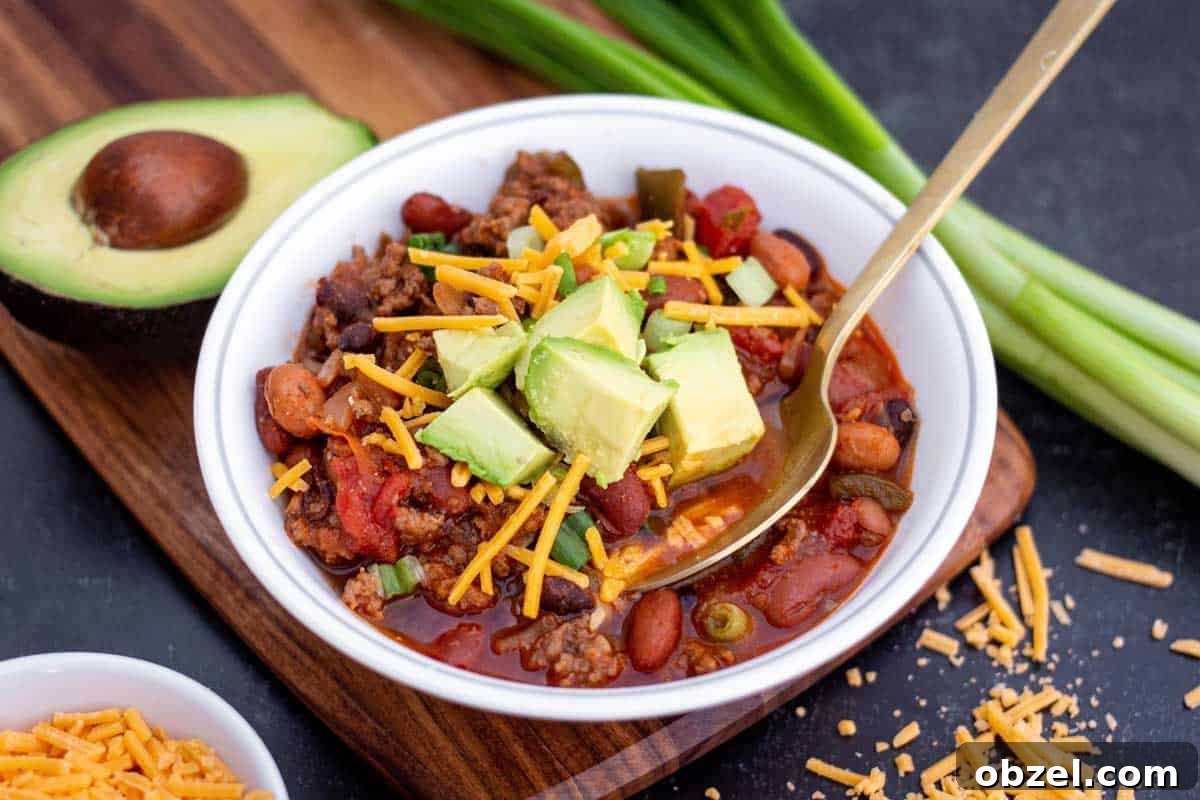
Making chili takes time. You have to chop ingredients, brown the meat, season everything, and let it simmer. That is a lot of effort for a single dinner. Instead of thinking of chili as one meal, think of it as a base recipe that can turn into several easy weeknight dinners.
You can certainly eat a bowl of chili every night if that works for you, but you can also use one pot of chili in several different ways:
- Night 1: A bowl of classic chili
- Night 2: Chili dogs or chili cheese fries
- Night 3: Chili served over baked potatoes
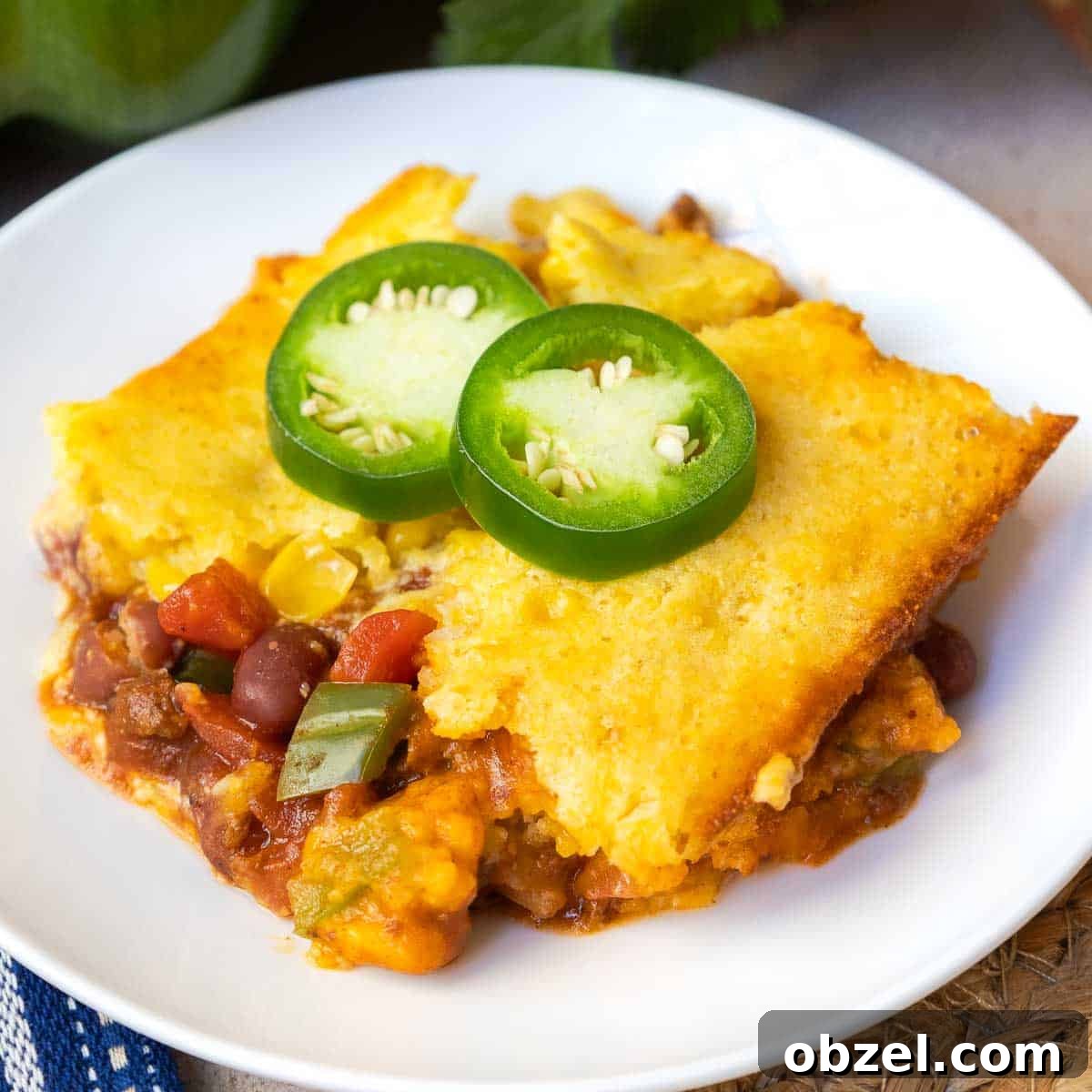
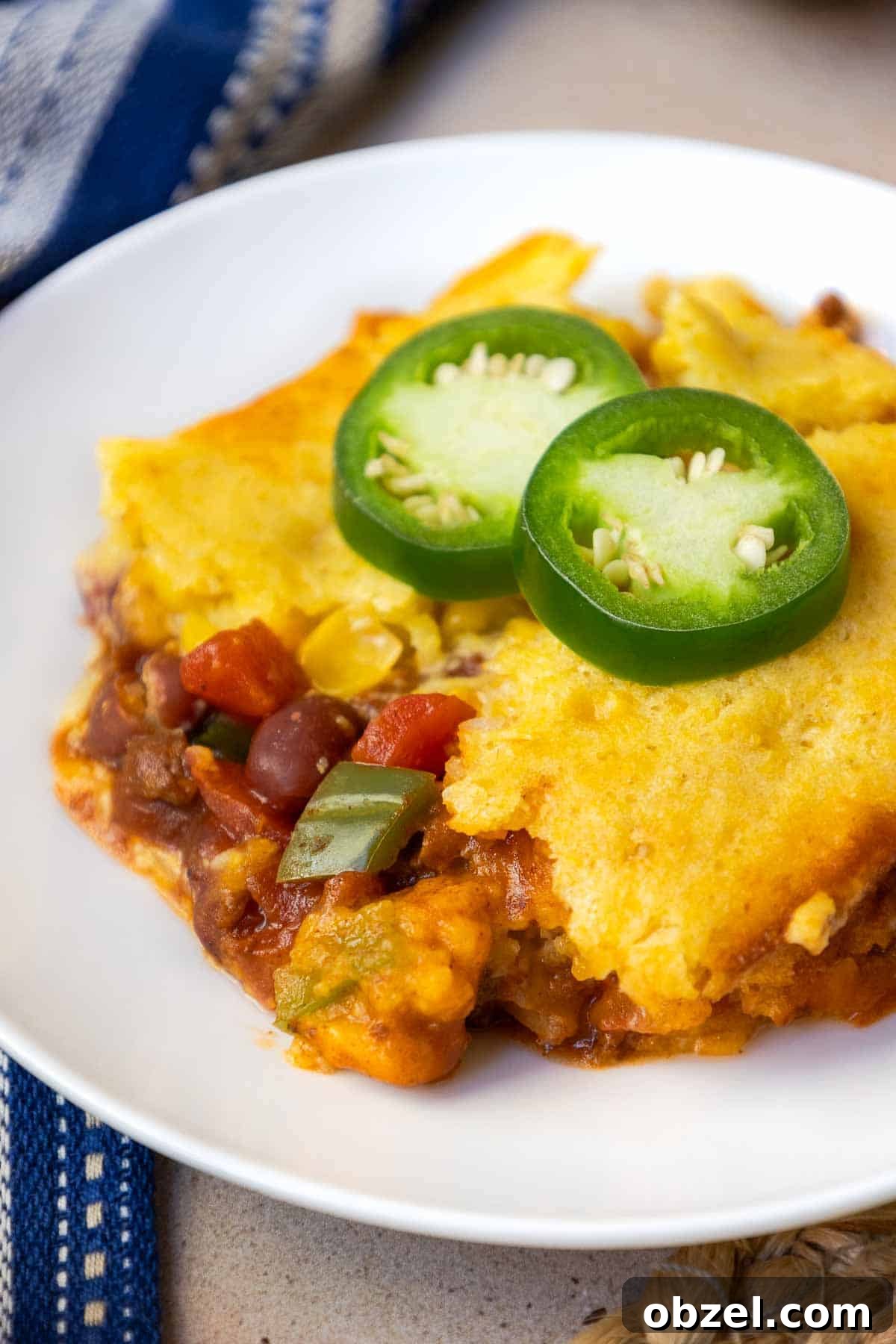
- Night 4: Chili cornbread casserole made with Jiffy mix
- Night 5: Chili mac made with Velveeta shells
These meals all start with the same main ingredient, but they do not feel exactly the same. That is the beauty of shortcut cooking. You get variety without creating five completely separate dinners from the ground up.
Ingredient Prep vs. Meal Prep (Why This Matters)
This is where ingredient prep can be more realistic than traditional meal prep. Prepping full meals ahead of time can be helpful, but not everyone wants to eat the exact same container of food night after night. Ingredient prep gives you more flexibility while still saving time.
Instead of preparing complete meals in advance, you buy or prep ingredients that can be used in multiple ways throughout the week. This approach feels less rigid, which makes it easier to stick with over time.
Rotisserie chicken is one of the best examples. At the beginning of the week, you can pick up one or two rotisserie chickens and use them in several different dinners. Many recipes, including chicken broccoli cheddar soup, call for “cooked chicken” as an ingredient. Rotisserie chicken fits that need perfectly. It works in casseroles, soups, pasta dishes, rice bowls, skillet meals, and many other easy dinner recipes.
If rotisserie chicken is not available, frozen chicken can still help get dinner on the table. Frozen chicken nuggets, for example, can work in a chicken stuffing casserole when you need a fast, practical option. It may not be fancy, but it solves the real problem: making dinner with less stress.

Ingredient prep works because it gives you options. You do some of the work once, but you are not locked into one specific meal. You can adjust based on your mood, your schedule, your energy level, or whatever needs to be used up in the fridge.
Why This Approach Actually Makes Dinner Feel Easier
When you repeat ingredients in smart ways, meal planning becomes more efficient. You can shop with a clearer grocery list, reduce food waste, spend less time searching for recipes, and avoid making a brand-new decision every evening. That alone can make weeknight cooking feel much lighter.
This is the heart of shortcut cooking. It is not about giving up on good food. It is about making practical choices that fit real life. If this approach sounds helpful, you may also enjoy rotating shortcut dinners built around pantry staples, rotisserie chicken, frozen vegetables, simple sauces, and reliable base recipes.
You Don’t Need a New Dinner, You Need a System
Meal planning does not have to mean seven completely different dinners, perfect nutrition every night, and constant inspiration. Most people do not need more complicated recipes. They need a repeatable system that makes dinner easier to start and easier to finish.
- A few dependable base recipes
- Leftovers that can be used in flexible ways
- Ingredients that can do double or triple duty
Shortcut cooking helps you stop overthinking dinner and start building meals that work for busy weeknights. You do not need a new dinner every day. You need a good starting point, a few versatile ingredients, and permission to keep things simple.