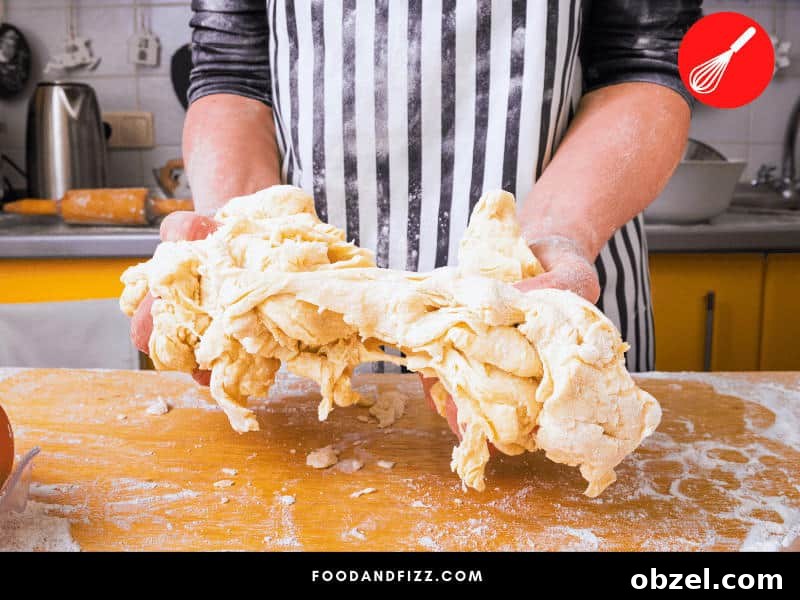
Is your pasta dough too sticky? Or does it feel too dry and crumbly?
Making fresh pasta dough can be simple in theory, but getting the texture exactly right takes practice. Flour, eggs, humidity, room temperature, kneading time, and even the type of flour you use can all affect the final consistency. One batch may come together perfectly, while the next may feel wet, sticky, or difficult to handle.
The good news is that imperfect pasta dough can often be fixed. If your dough is too dry, kneading may help it hydrate and come together. If it truly will not form a ball, a tiny amount of water can be added carefully, preferably with a spray bottle so you do not overdo it.
If your pasta dough is too sticky, there are also easy ways to correct it before you roll, cut, or shape it. Sticky dough can cling to your hands, your work surface, and your pasta machine, making the process frustrating. With the right adjustments, you can still turn it into smooth, elastic dough for delicious homemade pasta.
Table of Contents
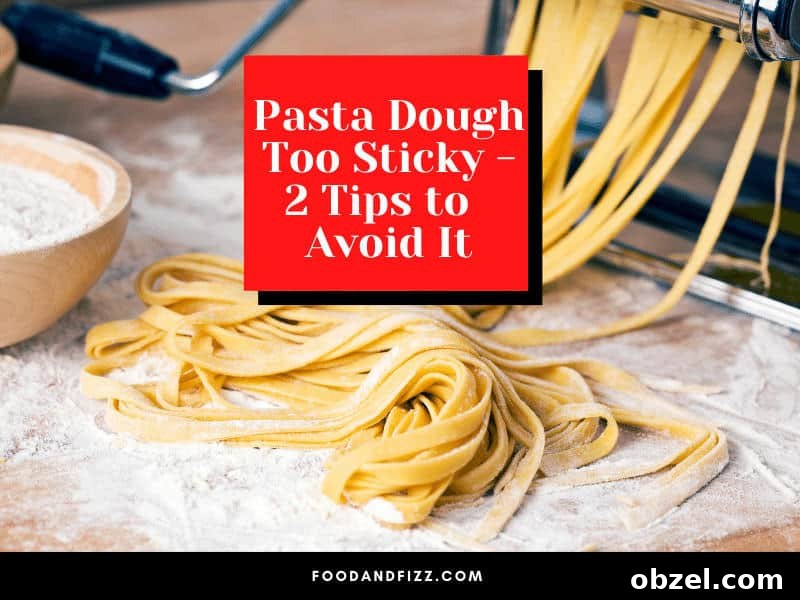
Pasta Dough Too Sticky – 2 Tips to Avoid It
If pasta dough is too sticky, add a small amount of flour or knead the dough longer until it becomes smooth, elastic, and easier to handle. Sticky pasta dough can cling to the pasta machine, tear while rolling, and make shaping difficult. The goal is dough that feels slightly tacky but not wet or gluey.
What is Pasta?
Pasta is a popular food commonly associated with Italian cooking. It is usually made from a dough of flour, water, and sometimes eggs. The dough is shaped, cut, or molded into many different forms, then cooked by boiling in water.
Once cooked, pasta is drained and served with a wide range of sauces. It can be paired with light oil-based sauces, creamy sauces, vegetable-based sauces, or rich meat sauces. This versatility is one reason pasta is enjoyed around the world.
Fresh pasta is especially appealing because it has a tender texture and can be made at home with simple ingredients. However, homemade pasta dough requires attention to consistency, especially when it comes to moisture. Too much moisture can make the dough sticky, while too little can make it dry and hard to roll.
How Different is Fresh Pasta from Dried Pasta?
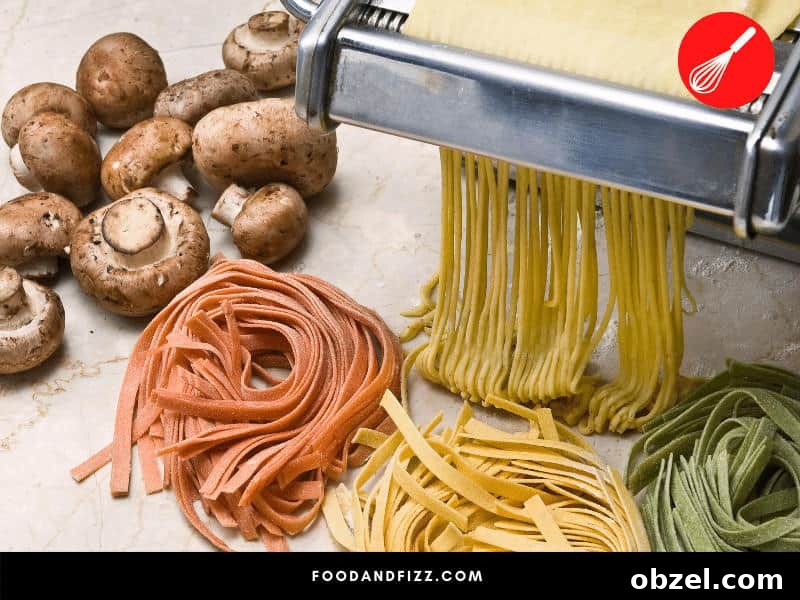
Fresh pasta and dried pasta share some basic ingredients, but they are not the same. Both often contain flour and water, but fresh pasta commonly includes eggs. This gives it a softer, richer texture and makes it suitable for certain dishes and sauces.
Dried pasta is widely available in grocery stores and is designed to be shelf-stable. Fresh pasta, on the other hand, is usually more delicate and does not last as long. Each type has its place in the kitchen, and neither is automatically better in every situation.
Advantages and Disadvantages of Fresh Pasta
Fresh pasta has a unique texture and flavor, but it also requires more effort and care. Here are some of its main advantages and disadvantages.
Advantages
- Fresh pasta has a lighter, more tender texture.
- It absorbs sauces and flavors well.
- When made at home, you can choose the ingredients you use.
Disadvantages
- It can take time to make, especially for beginners.
- Because it often contains eggs, it may not be suitable for people with egg allergies or those following a plant-based diet.
- It spoils faster than dried pasta and is more difficult to store.
Advantages and Disadvantages of Dried Pasta
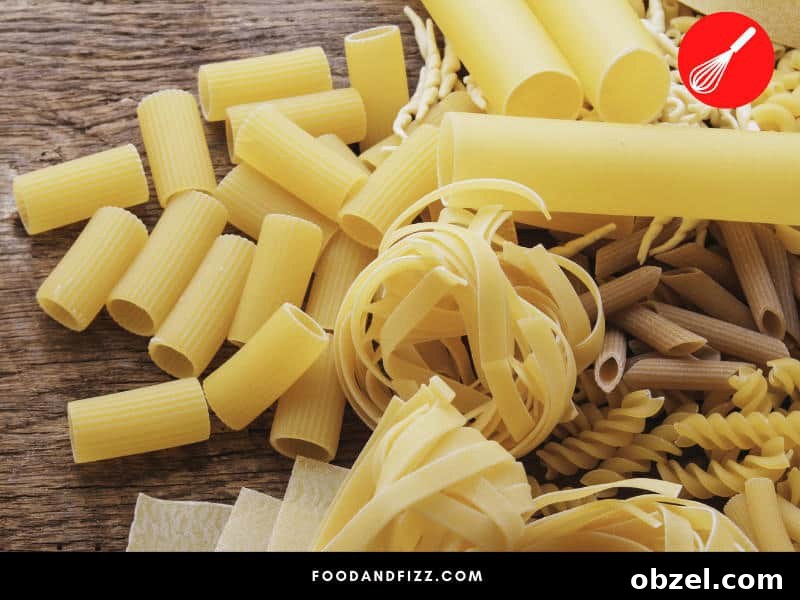
Dried pasta is convenient, affordable, and easy to store. Because it is made to last longer, it is a practical pantry staple for everyday meals.
Advantages
- It is convenient and widely available.
- Many dried pastas are made with flour and water, making them suitable for vegans and people with egg allergies.
- It has a long shelf life.
- It is easy to keep many shapes and sizes in the pantry.
Disadvantages
- It usually takes longer to cook than fresh pasta.
- It cannot truly be replicated at home in the same way as fresh pasta.
- Depending on the brand, the flavor and texture may feel generic.
- You have less control over the ingredients used.
Pasta Dough is Too Sticky – 2 Tips to Avoid It
Making homemade pasta is a skill that improves with practice. Recipes and measurements help, but learning how the dough should feel is just as important. A good pasta dough should be smooth, elastic, and slightly tacky. It should not stick heavily to your hands or smear across the work surface.
If your dough feels too sticky, try these two simple fixes before rolling it out.
1. Add more flour
If your pasta dough is too sticky, sprinkle a small amount of flour over the dough and knead it in gradually. Add only a little at a time. Pasta dough should retain a slight tackiness, so adding too much flour can make it dry, stiff, and difficult to roll.
The ideal texture is often compared to modeling clay. It should feel firm but flexible, smooth but not wet. Avoid dumping a large amount of flour onto the dough at once. A slow, controlled adjustment gives you a much better chance of reaching the right consistency.
2. Knead your dough a little bit more
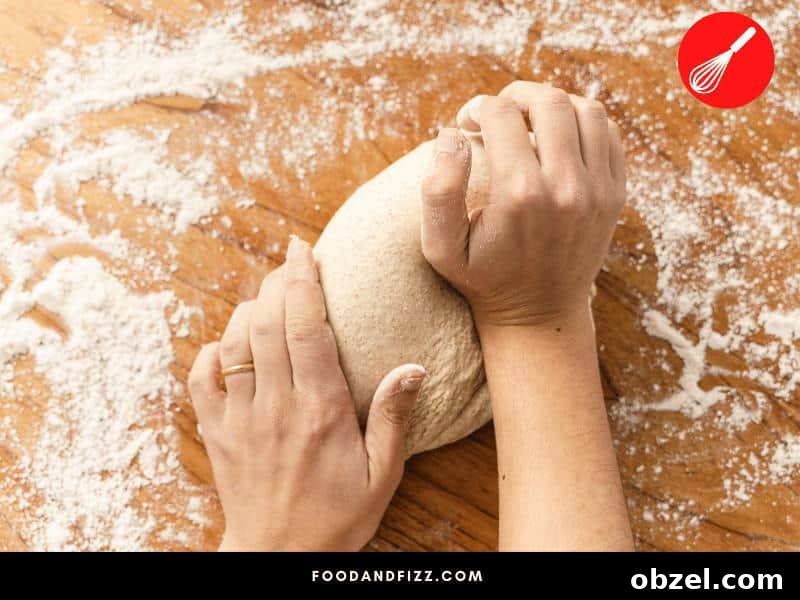
Sometimes pasta dough feels sticky simply because it has not been kneaded enough. Kneading helps develop gluten, improves structure, and brings the dough together. As you knead, the dough should gradually become smoother and more elastic.
You will know the dough is improving when it stretches without tearing immediately and begins to feel more cohesive. If the dough is only mildly sticky, kneading may solve the problem without adding much extra flour.
How to Avoid Dough That’s Too Dry
Sticky dough is not the only common problem. Pasta dough can also become too dry, especially if there is too much flour or not enough moisture. Dry dough may crumble, crack, or refuse to form a smooth ball.
In many cases, kneading will help dry dough come together because it encourages the flour to hydrate. If the dough absolutely will not form a ball, add water very carefully. A spray bottle is useful because it lets you add moisture in tiny amounts rather than pouring in too much at once.
The key is balance. Too much water can make pasta dough sticky, while too much flour can make it tough. Adjust gradually and let kneading do most of the work.
Tips on Making the Perfect Fresh Pasta
To make smooth, workable fresh pasta dough, pay attention to the flour, the egg-to-flour ratio, kneading, and resting time. These steps help prevent dough that is too sticky, too dry, or difficult to roll.
1. Use the right kind of flour
Pasta needs gluten to hold its shape, so choosing the right flour matters. Common options include semolina flour, “00” flour, and all-purpose flour.
Semolina flour is made from hard durum wheat and is often used for pasta shapes that need structure. “00” flour is finely ground and works well for more delicate pasta. All-purpose flour can also make good pasta and is easy to find, though it may require a little more kneading to develop the right texture.
2. Right egg to flour ratio
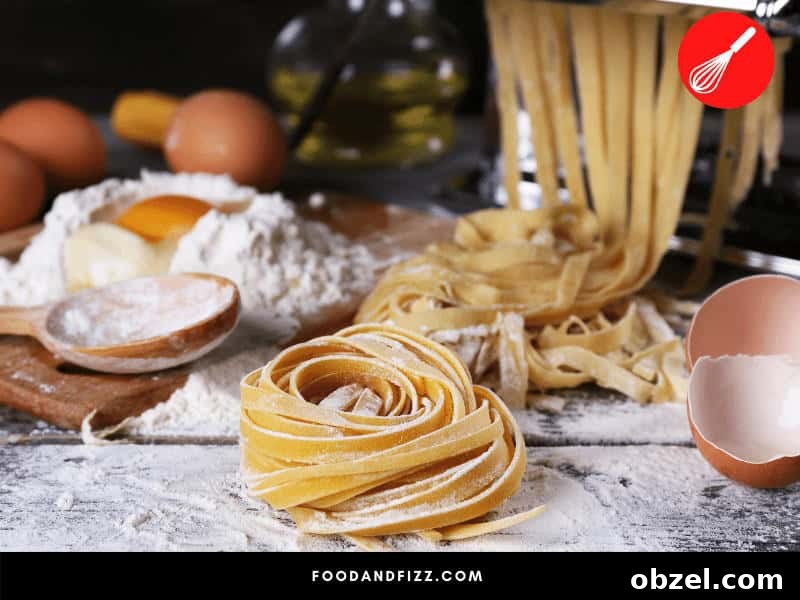
The right egg-to-flour ratio helps the dough hydrate properly. A common guideline is one egg, weighing about 1 ¾ to 2 ounces or 50 to 55 grams, for every 3 ½ ounces or 100 grams of flour.
This ratio may still need slight adjustment depending on egg size, flour type, and humidity, but it is a reliable starting point for homemade pasta dough.
3. Knead enough
Kneading is essential because it develops gluten, which gives pasta its structure, chew, and elasticity. Under-kneaded dough may be sticky, uneven, or too weak to hold its shape. Take the time to knead until the dough becomes smooth and springy.
4. Rest dough
Resting pasta dough allows the flour to absorb moisture and gives the gluten time to relax. This makes the dough easier to roll and less likely to tear. A rest of at least 30 minutes is commonly recommended, and it is a step worth keeping in your pasta-making routine.
Conclusion to Pasta Dough Too Sticky – 2 Tips to Avoid It
Pasta dough that is too sticky is a common problem, especially when you are still learning how homemade pasta should feel. Fortunately, it is usually easy to fix. Add a small amount of flour gradually, knead the dough a little longer, or use a combination of both methods until the dough becomes smooth, elastic, and manageable.
Fresh pasta making becomes easier with experience. Over time, you will learn to recognize whether the dough needs more kneading, a dusting of flour, or a short rest. With patience and practice, sticky pasta dough does not have to ruin your recipe.
Frequently Asked Questions on Pasta Dough Too Sticky – 2 Tips to Avoid It
Is Fresh Pasta Better Than Dried Pasta?
Fresh pasta and dried pasta both have advantages. Fresh pasta is often better for delicate sauces and has a softer texture. Dried pasta is more convenient, easier to store, and usually works well with heavier sauces. The best choice depends on the dish you are making.
What Happens If I Put Too Much Flour in My Pasta Dough?
Adding too much flour can make pasta dough tough, dry, and hard to roll. Pasta dough should be slightly tacky, similar to modeling clay, but it should not be so sticky that it clings heavily to your hands or equipment.