Jump to Recipe
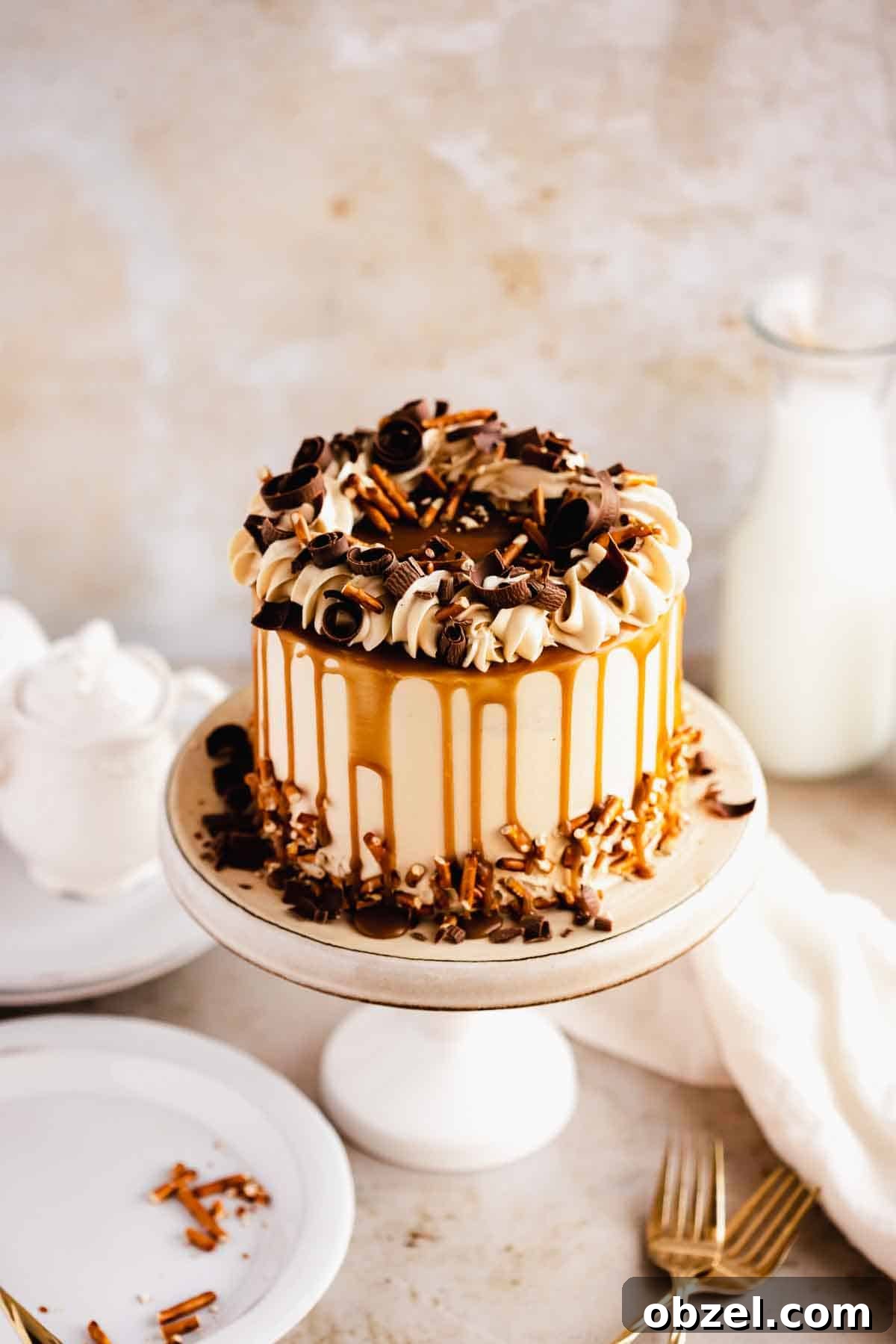
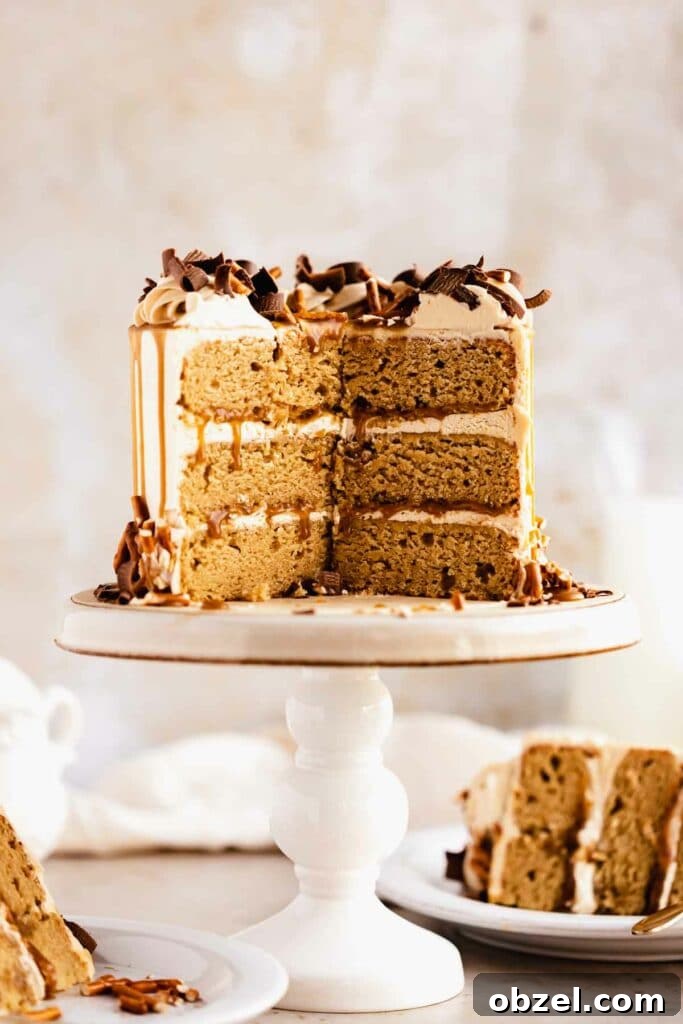
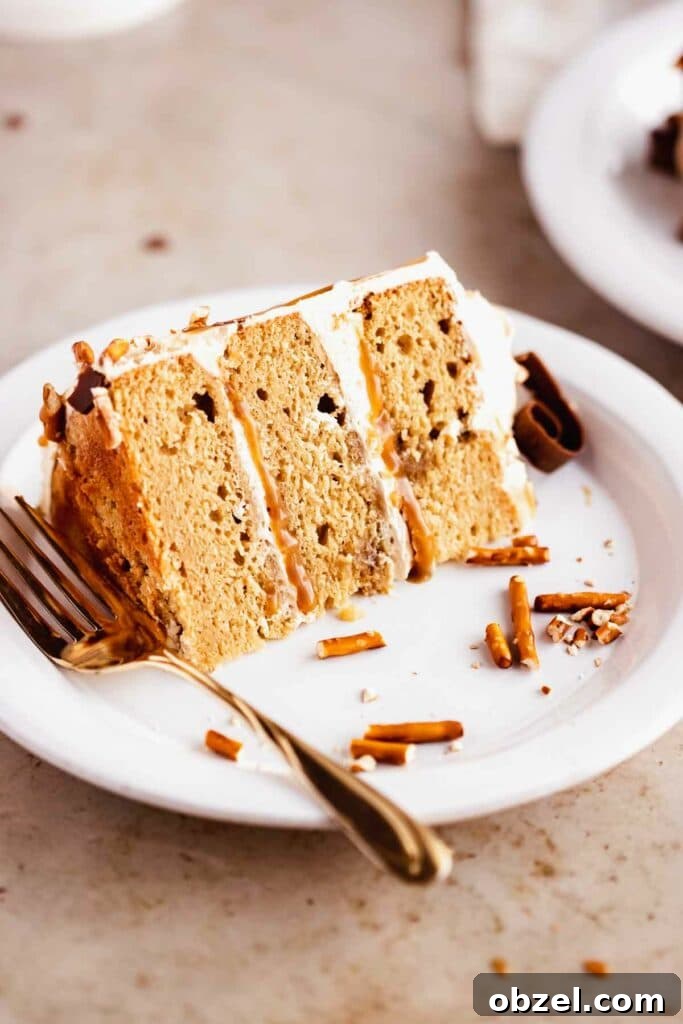
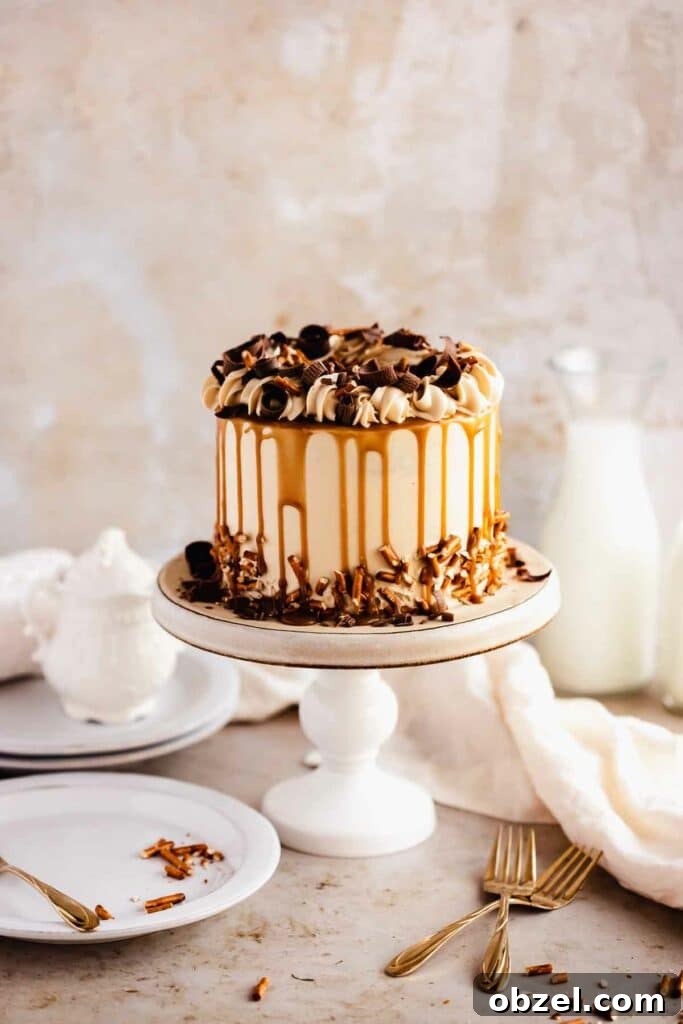
This butterscotch cake features moist, tender brown-butter layers, a silky butterscotch buttercream, and an easy homemade butterscotch sauce. It’s finished with a butterscotch drip, crunchy salted pretzels for texture, and chocolate curls for contrast — a comforting cake with rich, warming flavors.
Why you will LOVE this recipe:
- Simple homemade butterscotch: The sauce comes together quickly on the stove — no complex caramelizing. Use it in the frosting and between the layers for concentrated flavor.
- Brown butter layers: Browning the butter adds a toasty, nutty depth that complements the butterscotch beautifully.
- Moist crumb: Sour cream and buttermilk keep the cake layers tender and moist.
- Balanced frosting: The buttercream is made silky with butterscotch and brightened with a little fresh lemon juice to cut the sweetness.
Butterscotch vs. caramel
Butterscotch and caramel are similar, but butterscotch is simpler to make because it starts with brown sugar rather than caramelized granulated sugar. For butterscotch you combine the ingredients in a saucepan and simmer until slightly thickened. Caramel requires melting and browning granulated sugar first, then adding cream and butter and bringing it to the right temperature.
Brown butter
Brown butter is quick to make and adds a rich, nutty flavor to the cake layers. Melt unsalted butter over medium-low heat, stirring as the milk solids brown and the butter develops a toasted aroma. When you see golden bits and a nutty smell, remove it from the heat and cool.
For baking, cool the brown butter until it becomes thick but still spreadable. An ice bath speeds this up — stir frequently while it cools so the edges don’t harden into unusable lumps. The spreadable texture lets the butter whip smoothly with sugar.
Key ingredients
Full measurements and steps are in the recipe card below. Read these notes first for tips that help ensure success.
Brown sugar: Gives butterscotch a deep, caramel-like flavor and helps thicken the sauce. Use light or dark brown sugar depending on how intense you want the flavor.
Butter: Use good-quality unsalted butter; it browns best without the off-flavors that can come from salted butter during browning.
Buttermilk: Store-bought buttermilk is best. If you don’t have any, make a quick substitute by stirring ½ tablespoon vinegar or lemon juice into ½ cup milk and letting it rest five minutes.
Sour cream: Keeps the cake rich and moist — don’t substitute with low-fat alternatives if you want the same texture and flavor.
Lemon juice: A small amount of freshly squeezed lemon juice brightens the buttercream and balances its sweetness.
Cream: Use heavy whipping cream (35% fat or higher) for a thick, rich butterscotch sauce; lower-fat dairy will make the sauce too thin.
All-purpose flour: Weigh your flour for best accuracy. If measuring by cup, stir the flour first, spoon it into the cup, then level off with a knife without packing.
Step by step
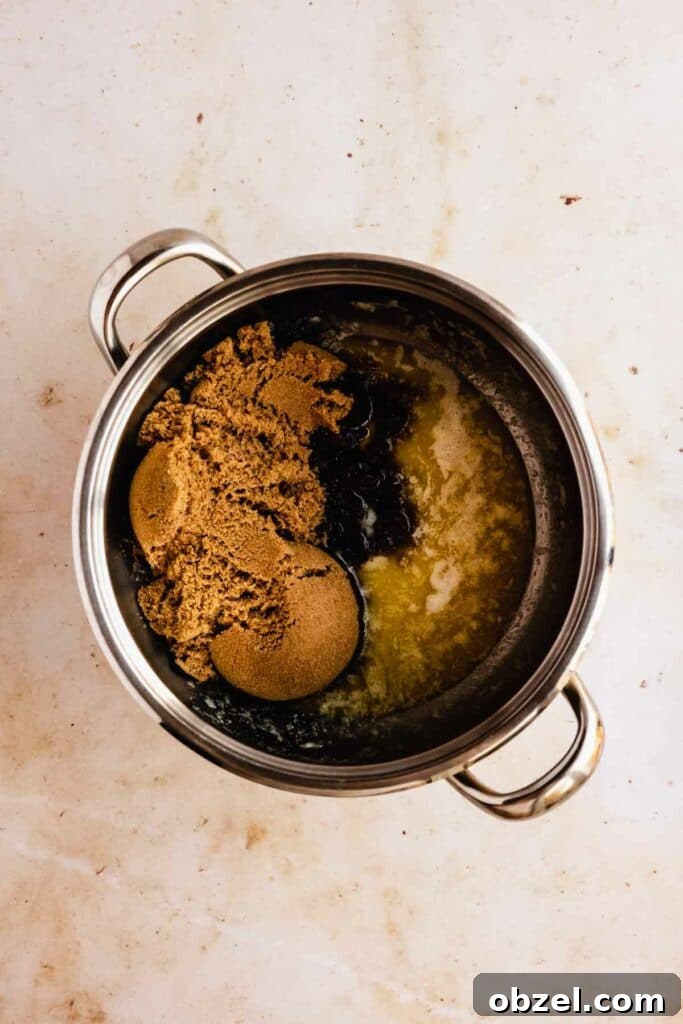
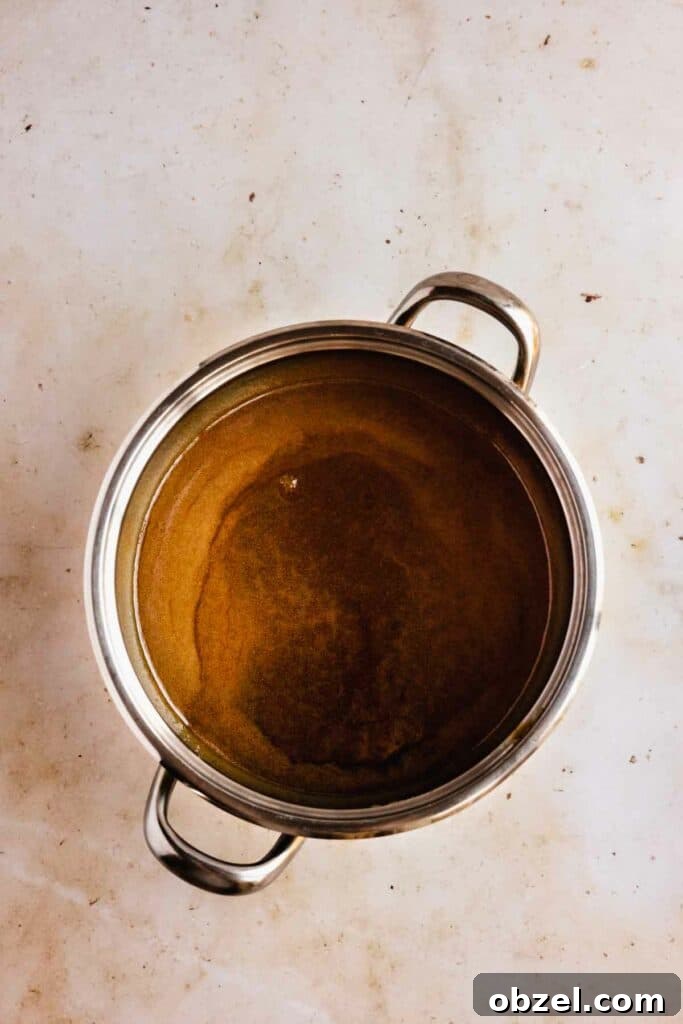
Step 1 — Make the butterscotch. Combine butter, brown sugar, heavy cream, vanilla, and sea salt in a medium saucepan. Heat until the sugar dissolves, then simmer gently for about 3 minutes until the sauce is slightly thickened, stirring to prevent sticking. Remove from heat and cool to room temperature, then refrigerate until cold.
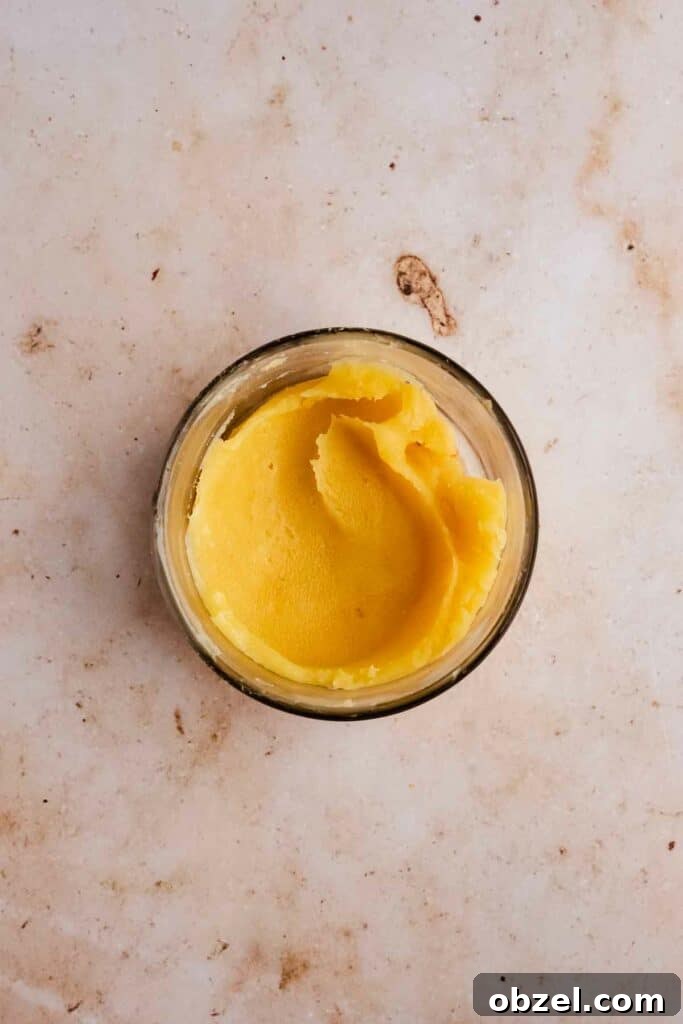
Step 2 — Brown the butter. Melt unsalted butter in a saucepan over medium-low heat, stirring constantly. After foaming, the milk solids will brown and the butter will smell nutty. When golden brown bits appear and the butter foams again, remove it from the heat and pour into a heatproof bowl. Cool to room temperature, then chill until thick but still spreadable, stirring occasionally.
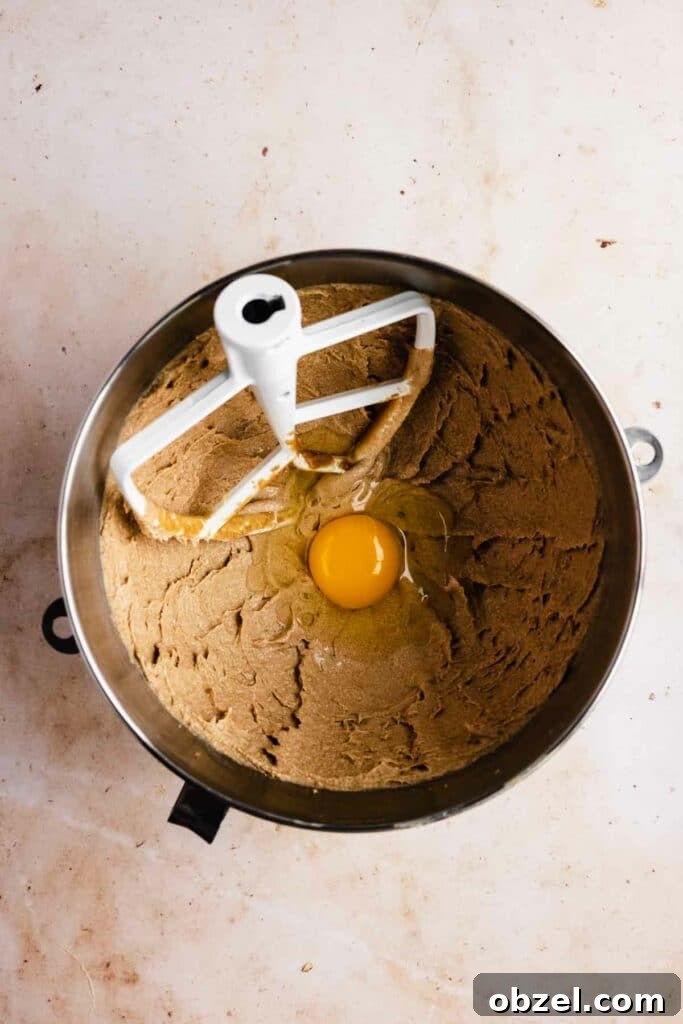
Step 3 — Combine wet ingredients. In a large bowl or stand mixer, beat the cooled brown butter with vegetable oil, brown sugar, and a pinch of salt until light and increased in volume. Add vanilla and eggs one at a time, mixing well. Mix in sour cream and buttermilk; the batter may look slightly separated but will come together when flour is added.
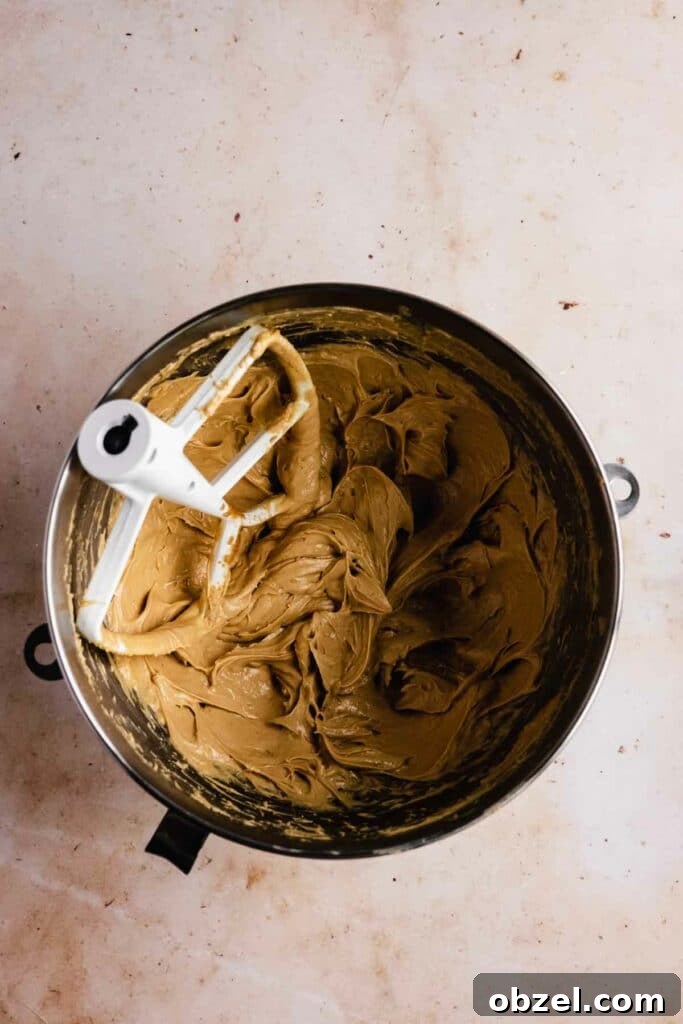
Step 4 — Make the batter. Sift the flour, baking soda, and baking powder into the wet mixture. Fold gently with a paddle attachment on low speed or use a spatula until smooth. Divide the batter evenly between prepared pans and smooth the tops.
Step 5 — Bake and cool. Bake at 350°F (180°C) for 20–25 minutes, or until a toothpick in the center comes out clean. Cool in the pans for 15 minutes, then invert onto a rack to cool completely before frosting.
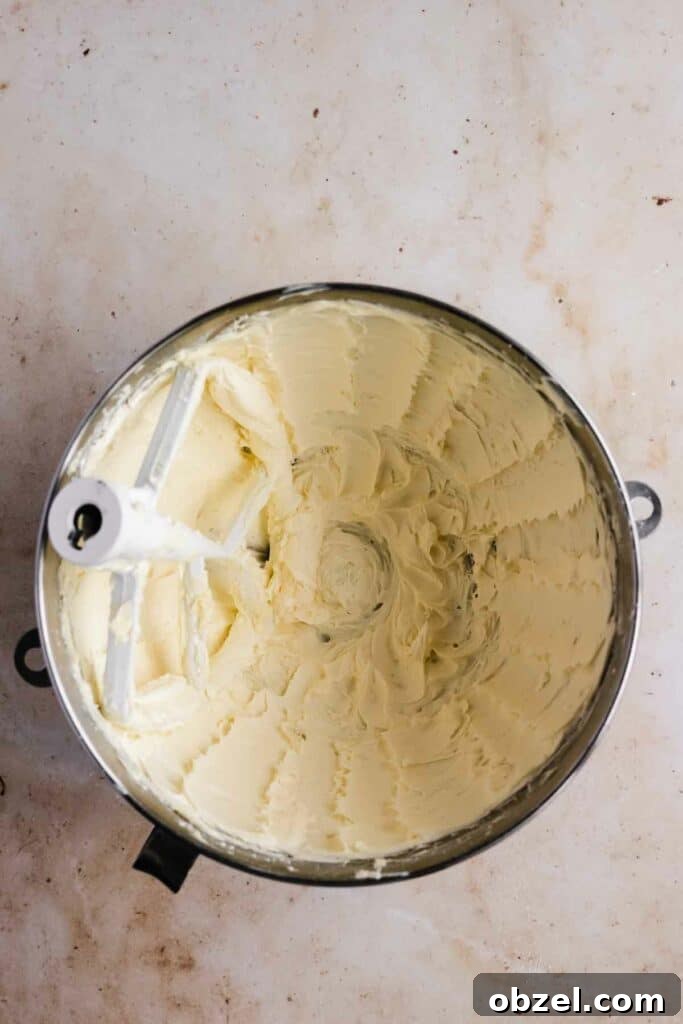
Step 6 — Make the butterscotch buttercream. Beat softened butter with powdered sugar until very light and fluffy. Gradually beat in cold butterscotch sauce until the frosting is airy. Add 1–3 teaspoons freshly squeezed lemon juice to taste to balance the sweetness.
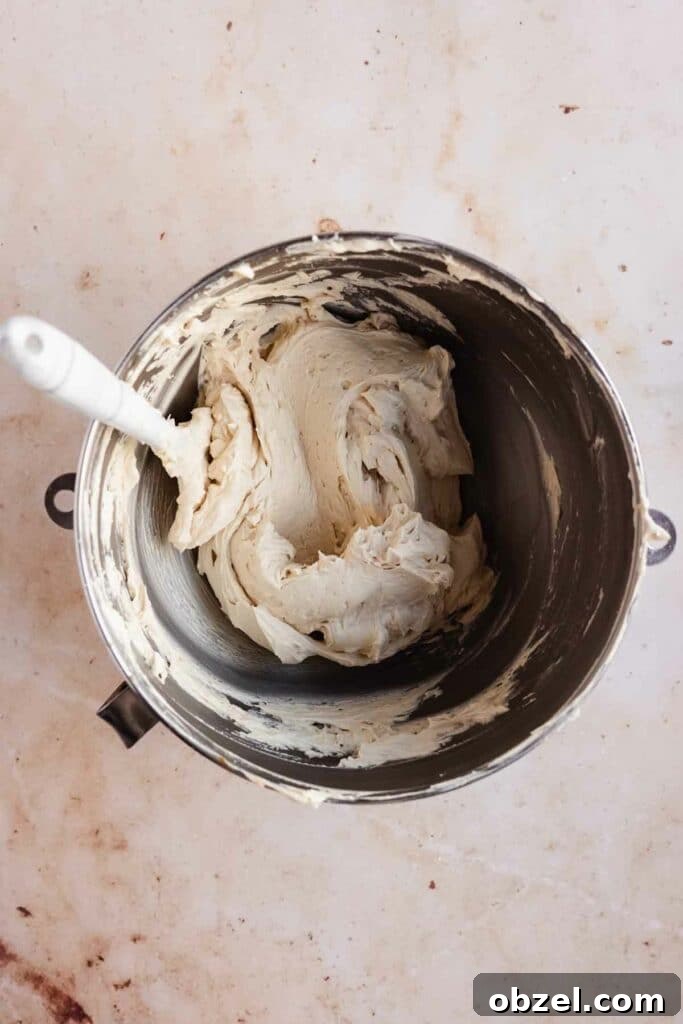
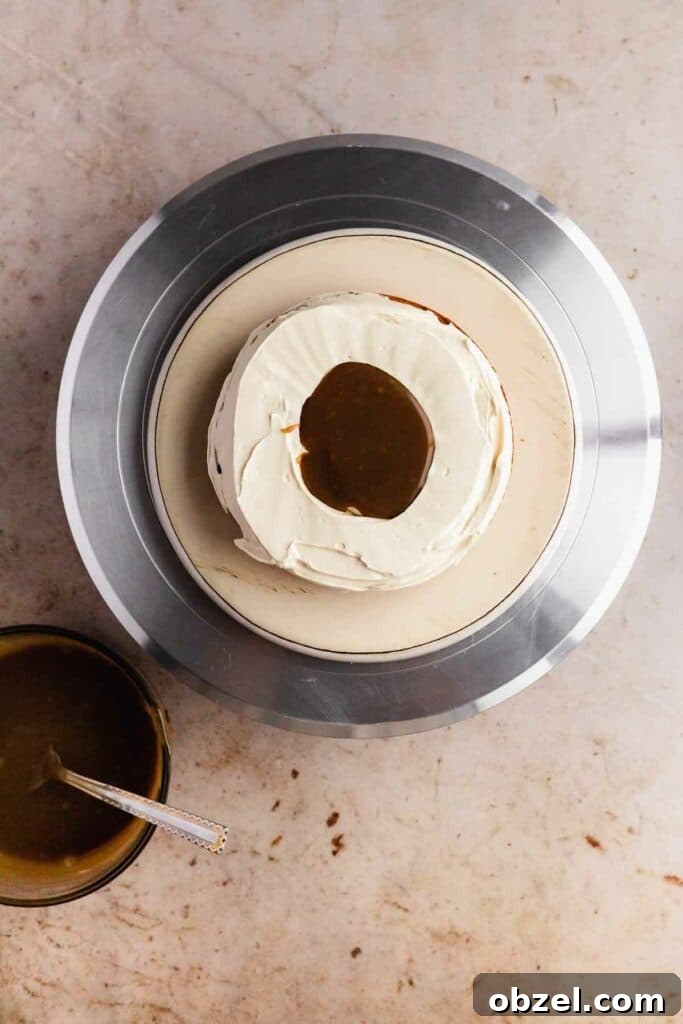
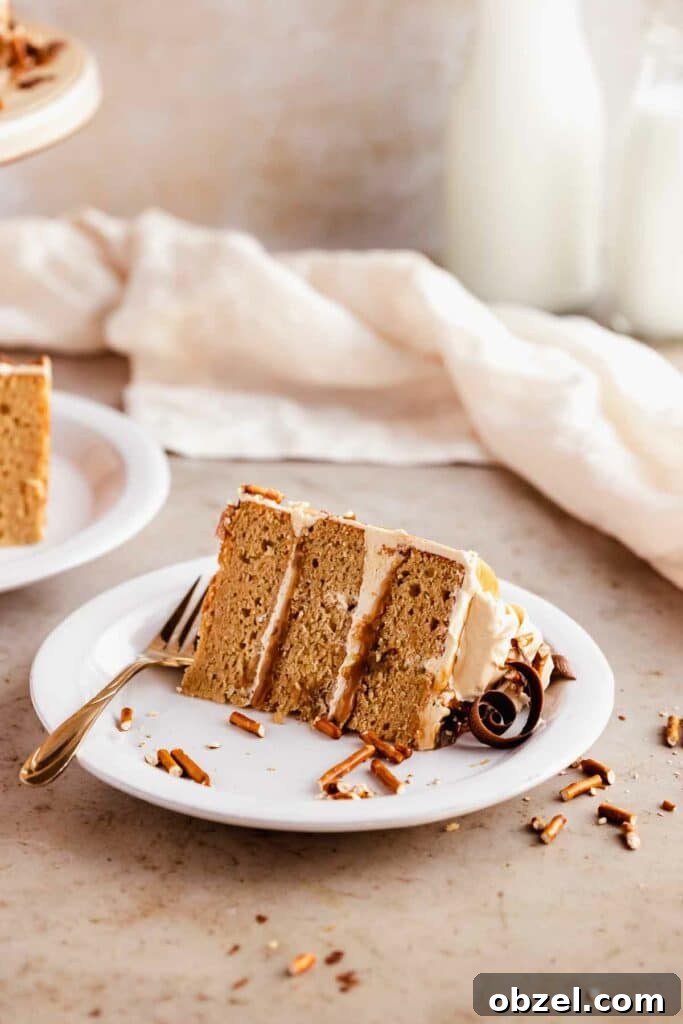
Step 7 — Assemble the cake. Spread a small amount of frosting on the cake board, place the first layer, add buttercream, then drizzle butterscotch. Repeat for remaining layers. For a thicker butterscotch filling, pipe a border of frosting and spoon butterscotch into the center, chilling between layers so the filling stays contained.
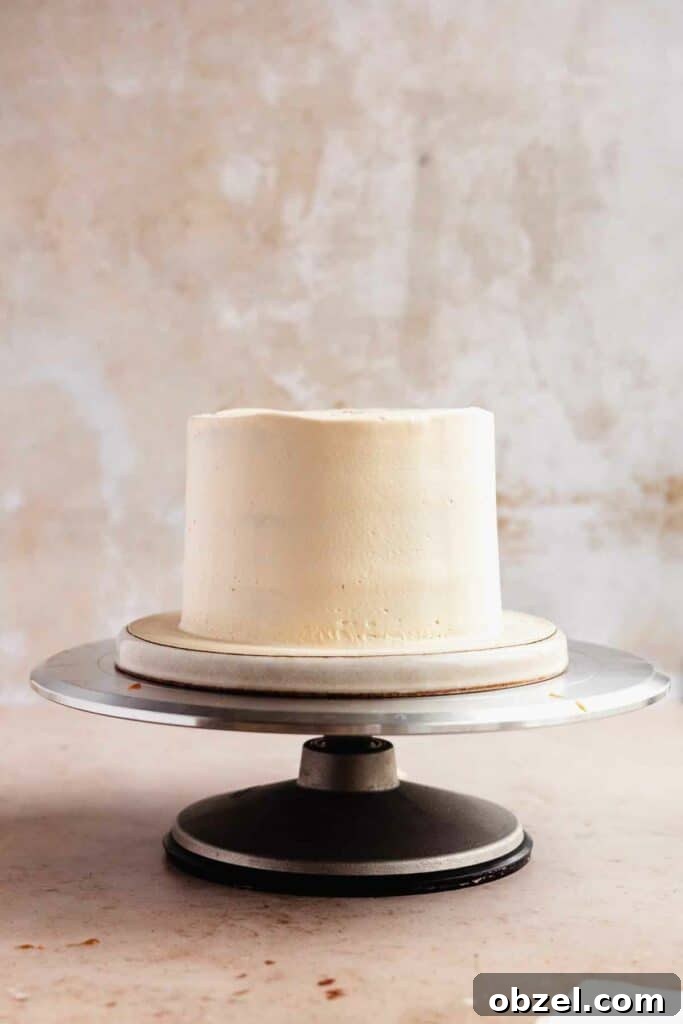
Step 8 — Crumb coat and final coat. Apply a thin crumb coat and chill 10 minutes. Finish with a thicker coat of frosting, smooth the sides, and press crushed pretzels onto the lower half of the cake. Chill again to firm the frosting.
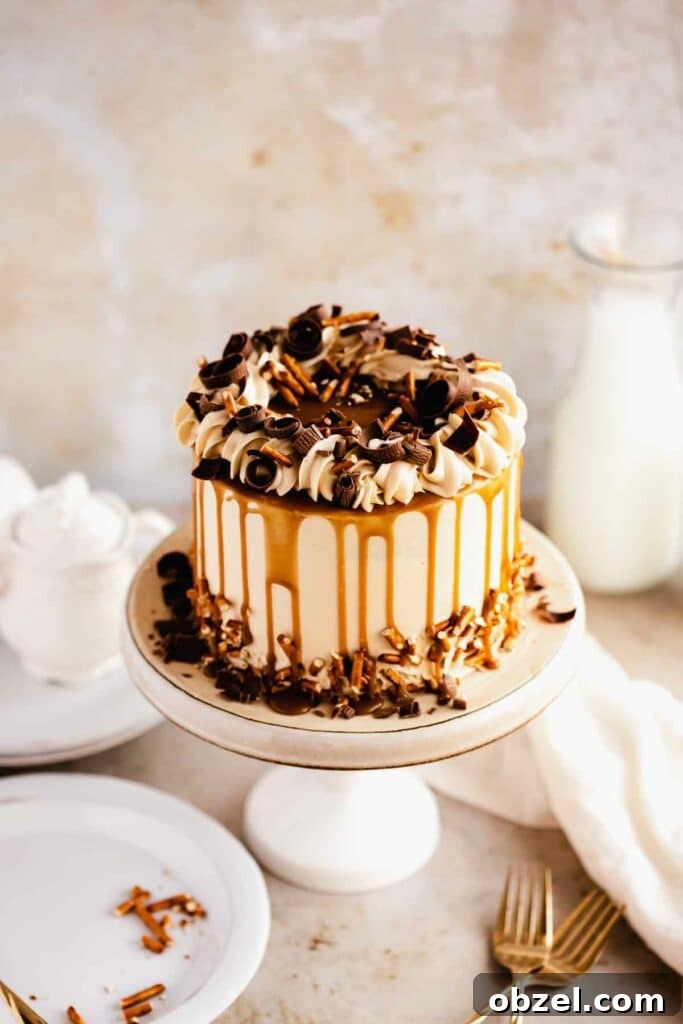
Step 9 — Drip and decorate. Put chilled butterscotch into a piping bag, snip the tip, and pipe drips around the edge. Smooth a thin layer on top. Chill to set the drips, then pipe a decorative border and scatter crushed pretzels and chocolate curls.
Step 10 — Serve. The cake is best at room temperature or slightly chilled. Store in the refrigerator in an airtight container for up to 3 days, or freeze for up to two months.
FAQ
Gently reheat the sauce, stirring until sugar crystals dissolve. Stir in a tablespoon of heavy cream if needed, then cool to room temperature before using.
Check your flour measurement (a scale is best), make sure you bake long enough, confirm your baking powder is fresh, and verify the oven temperature with a thermometer. Too-low oven temperatures can produce dense layers.
Unsalted butter is recommended for browning; salted butter can sometimes develop a bitter or metallic note. You can use salted butter elsewhere in the recipe if you prefer.
Start with a thin crumb coat to seal crumbs, chill for 10 minutes, then apply a final thicker coat and smooth with a bench scraper or spatula for clean sides.
Chill the cake so the exterior is firm. The sauce should be at room temperature or slightly cool; test one drip and adjust temperature if needed. Pipe drips from a small bag and then fill the center for the best control.
Chill the buttercream briefly (10 minutes) and rebeat until fluffy. If it’s still too soft, add powdered sugar a quarter cup at a time to reach the desired consistency.
Bring all ingredients to room temperature before mixing. This promotes an even, creamy batter and a tender crumb.
Other recipes you might like
- The Best Brown Butter Chocolate Chip Cookies
- Salted Caramel Cake with Blackberries
- Salted Caramel Apple Pie Bars
Happy baking!
Did you make this recipe? Please leave a rating and a comment to let us know how it turned out.
📖 Recipe
Butterscotch Cake with Butterscotch Drip
Equipment
- three 6″ cake pans (or see notes for alternatives)
Ingredients
Butterscotch Sauce
- ½ cup butter
- 1½ cups brown sugar, packed
- ¾ cup heavy cream
- 1 tablespoon pure vanilla extract
- ½ teaspoon sea salt
Brown Butter Layers
- ¾ cup unsalted butter
- 2 tablespoons vegetable oil
- 1 cup brown sugar, packed
- ¼ teaspoon sea salt
- 2 large eggs, room temperature
- 1 tablespoon pure vanilla extract
- ½ cup sour cream, room temperature
- ½ cup buttermilk, room temperature
- 2 cups all-purpose flour (240g)
- ¼ teaspoon baking soda
- 1¼ teaspoon baking powder
Butterscotch Buttercream
- 1 cup butter, softened
- 2½ cups powdered sugar
- ⅔ cup butterscotch sauce, cold
- 1–3 teaspoons freshly squeezed lemon juice
- 3–5 tablespoons heavy cream
Assembly
- 1 cup pretzels, crushed
- ½ cup chocolate curls
Instructions
Butterscotch Sauce
- Combine butter, brown sugar, heavy cream, vanilla, and salt in a medium saucepan. Heat until sugar dissolves, then simmer 3 minutes until slightly thickened, stirring to prevent burning. Cool to room temperature, then refrigerate until cold.
Brown Butter Layers
- Melt butter over medium-low heat, stirring constantly, until milk solids turn golden brown and the butter smells nutty. Transfer to a bowl and cool until thick but spreadable.
- Grease three 6″ pans and line with parchment. Preheat oven to 350°F (180°C).
- Beat cooled brown butter with oil, brown sugar, and salt until light. Add vanilla and eggs one at a time. Stir in sour cream and buttermilk.
- Sift in flour, baking soda, and baking powder. Fold until smooth. Divide between pans and bake 20–25 minutes. Cool before decorating.
Butterscotch Buttercream
- Beat softened butter and powdered sugar until very light. Add cold butterscotch gradually and beat until fluffy. Stir in lemon juice to taste.
- Add heavy cream as needed to reach a spreadable consistency and beat on low briefly to remove large air pockets.
Assembly
- Place a dollop of frosting on the cake board. Layer cake and buttercream, drizzling butterscotch between layers. Chill between layers if filling is soft.
- Apply a thin crumb coat and chill 10 minutes. Finish with a smooth final coat, pressing crushed pretzels onto the lower half of the sides. Chill again.
- Pipe butterscotch drips around the edge, fill the top with a thin layer of butterscotch, and chill to set. Pipe a border and sprinkle pretzels and chocolate curls on top.
Notes
Serve at room temperature or slightly chilled. Store in an airtight container in the fridge up to 3 days, or freeze for up to 2 months.
Baking pan sizes: Double the recipe for an 8″ or 9″ three-layer cake, or use the same quantities for a 9″×12″ sheet cake. When making a sheet cake, raise the frosting edges slightly to hold the butterscotch filling.
Make ahead: Bake layers up to 2 days in advance and refrigerate wrapped. Make the butterscotch up to 2 days ahead and store in a jar; reheat gently if it becomes grainy. Buttercream keeps refrigerated for up to 2 days — bring to room temperature and rebeat before using.