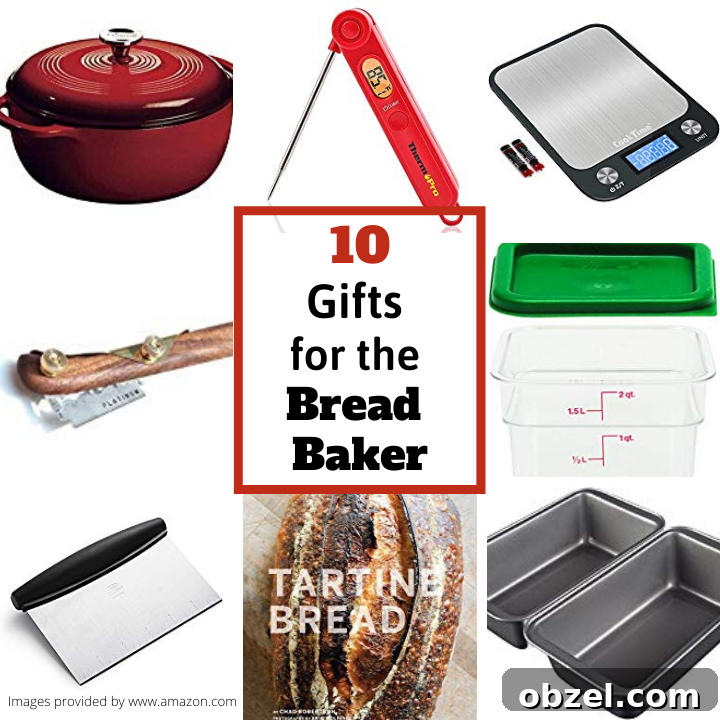
Baking bread is approachable when you have the right tools and a bit of guidance. Gifts for the bread baker are practical items that make crafting beautiful loaves easier and more enjoyable. Whether you’re shopping for yourself or for someone who dreams of crusty, oven-warm bread, the right equipment and resources can make all the difference.
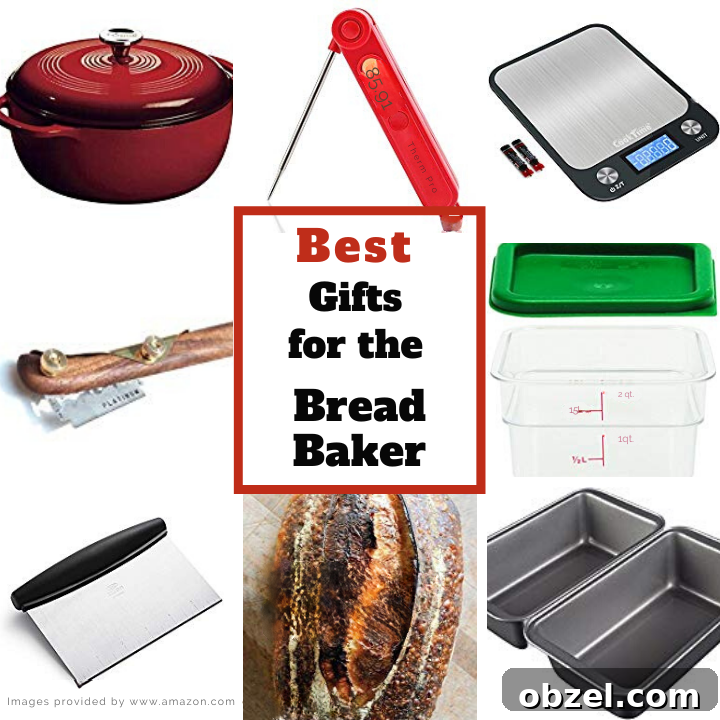
For a long time I wanted to bake loaves that resembled artisan bread from bakeries—open crumb, crisp crust and an inviting pull. I hesitated because I didn’t know where to begin. If that sounds familiar, or if someone you love wants to learn, the list below covers essential and highly useful tools to help get started with sourdough, artisan, and quick breads.
If your focus is quick breads rather than naturally leavened loaves, you’ll find recommendations for those too. Quick bread tools are similar in spirit but often simpler and more focused on mixing and pans.
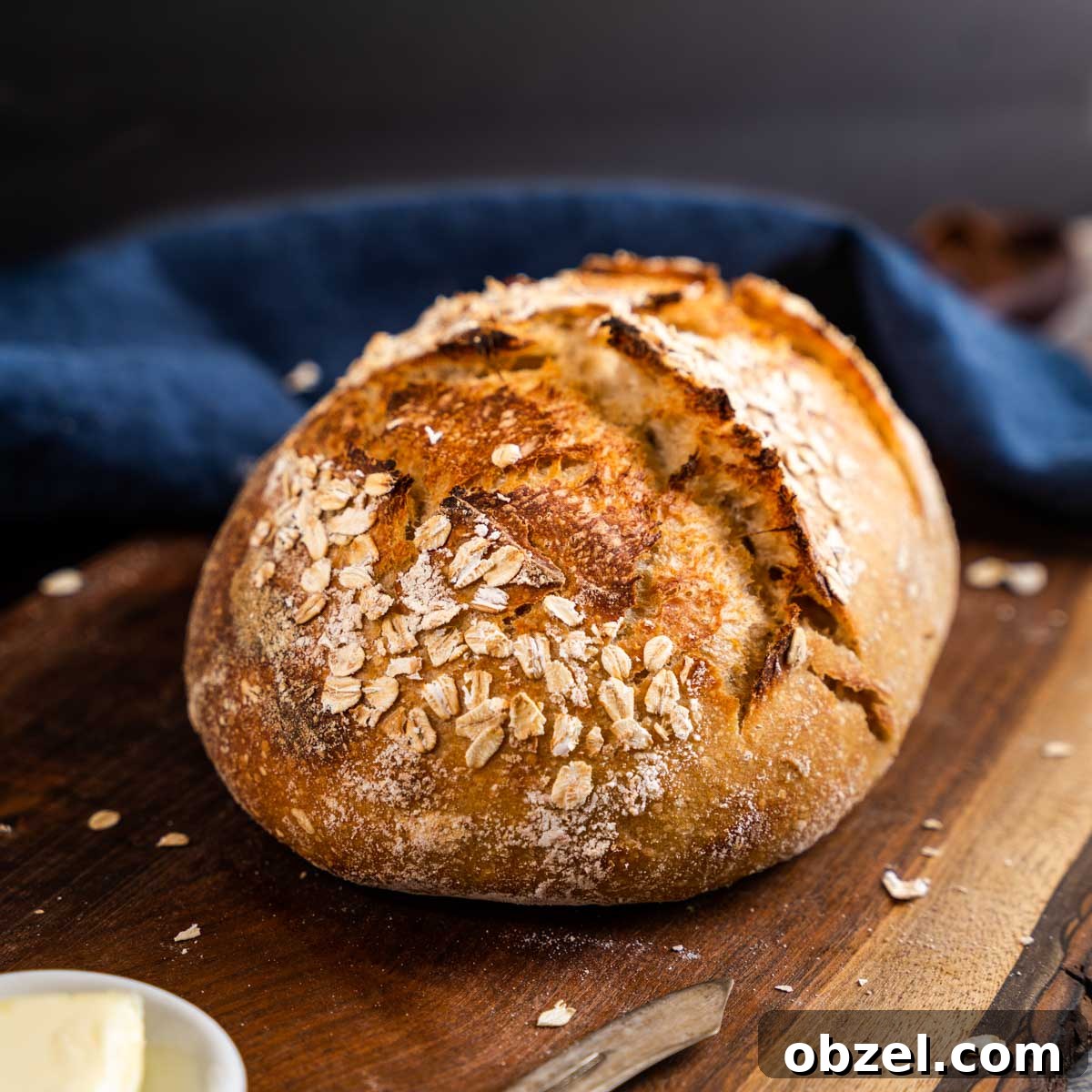
Artisan & Sourdough Bread Baking
Sourdough baking rewards patience and precision. A few well-chosen tools will make the process smoother and build confidence. Below are foundational items I recommend for anyone interested in naturally leavened or artisan-style bread.
Kitchen Scale – Get it now
A digital kitchen scale is the single most important tool for reliable bread baking. Weighing ingredients ensures consistency because volume measurements for starters and dough are unreliable. A cup of one starter won’t equal a cup of another, and starter activity changes over time—150 grams is 150 grams every time. For predictable results, weigh your flour, water, and starter.
Cast Iron Dutch Oven – Get it now
An enameled cast-iron Dutch oven is ideal for baking free-form loaves and achieving that coveted crisp crust. It traps steam during the first part of the bake, producing excellent oven spring and color. I use mine for sourdough loaves and countless other recipes like soups and stews. Choose a size and color you love—color adds joy in the kitchen, especially in winter.
Tartine Bread Cookbook – Get it now
A reliable, well-explained cookbook is invaluable. Practical references that show process photos, step-by-step timing, and clear technique notes help demystify sourdough science. Choose a book with approachable recipes and lots of visuals so you can learn the method and adapt it as you gain experience.
Food-grade Clear Container – Get it now
A clear, food-grade container is perfect for tracking the rise of starters and levains. Seeing how your starter doubles (or doesn’t) gives vital feedback on timing and readiness. A tall, clear container with measurement markings makes it easy to observe activity and plan your baking schedule.
Instant-read Thermometer – Get it now
Internal temperature is the most reliable indicator of doneness for many breads. I aim for about 210°F for my loaves; dense breads in particular can look finished on the outside while still underbaked inside. An instant-read thermometer removes the guesswork and prevents the heartbreak of cutting into an underbaked loaf.
Bench Scraper – Get it now
A bench scraper is indispensable for dividing dough, moving shaped loaves, and cleaning work surfaces. It keeps dough handling neat and prevents the shaping process from becoming messy. It’s also handy for transferring chopped ingredients from board to pan without dulling knives.
Bread Lame – Get it now
A bread lame is the tool used to score loaves before baking. Proper scoring controls where the bread expands during the oven spring and helps avoid random blow-outs. A well-made lame feels precise in the hand and makes beautiful, deliberate cuts—an easy way to give loaves a professional look.
These tools form the core kit for artisan and sourdough baking. With them, you’ll be well-equipped to produce reliably great loaves and refine your technique.
Yeast and Quick Bread Baking
Mixing Bowls – Get it now
A set of mixing bowls in different sizes is a versatile staple. Mixing wet ingredients in one bowl and dry in another keeps recipes tidy and consistent. Bowls with lids are especially handy for storing batters or taking food on the go, and microwave-safe glass or heatproof bowls are easy to clean.
Loaf Pans – Get it now
Quality non-stick loaf pans make baking quick breads simple and reliable. Slightly larger pans are useful for baking bread, meatloaf, and even freezing desserts like homemade ice cream. Durable pans with an even bake are a great long-term investment for any baker.
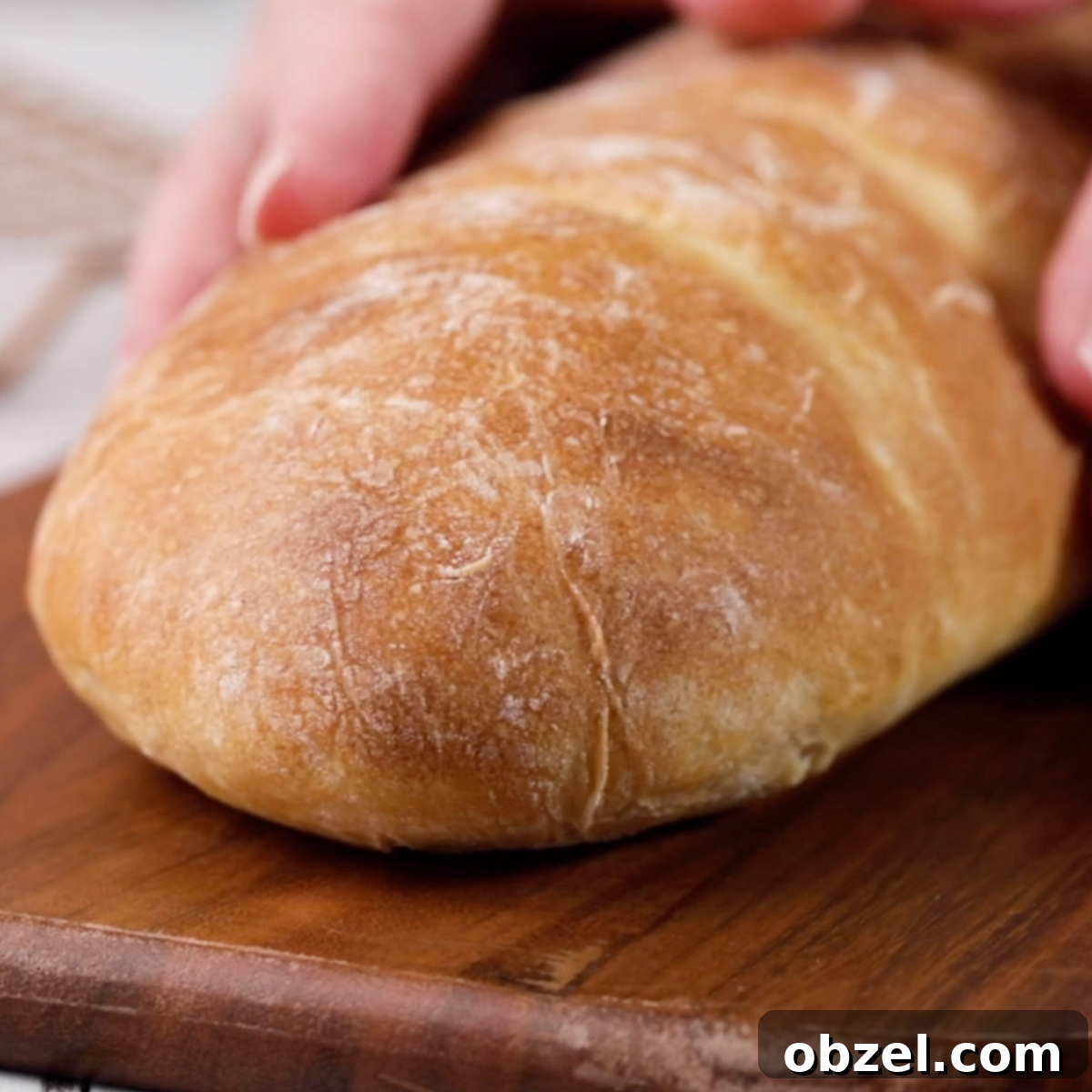
Baking Stone – Get it now
A baking stone evens out oven heat and gives free-formed loaves and pizzas a crisp, well-browned bottom. Use it in the oven or on a grill to mimic the effect of a professional brick oven for baguettes, pizza, and hearth-style breads.
Serrated Bread Knife – Get it now
A sharp, well-balanced serrated knife slices through crusty loaves cleanly without crushing the crumb. A quality serrated knife stays effective for a long time and is also great for slicing tomatoes and other delicate foods without constant sharpening.
These recommendations are practical and cover a range of budgets. You don’t need to invest heavily to begin baking good bread—start with a few essentials and add tools as your skills and interests grow.
Treat yourself or a baker you care about to one of these gifts. Each time they pull a beautiful loaf from the oven, they’ll remember the thoughtful present that helped them along the way.
More Gift Ideas
Explore guides and resources for bakers of all levels to discover additional tools, techniques, and gift ideas that match every skill level and budget.