Some people dismiss anything old as “junk,” while others cherish older items as tangible pieces of history. I fall somewhere in between. I appreciate modern design and clean lines, but I also love rustic, well-made pieces that have character and tell a story. My home is a blend of both styles, curated to include mostly items I truly love. For me, the key to comfortable and meaningful decor is surrounding yourself with things that bring you joy and editing out what doesn’t.
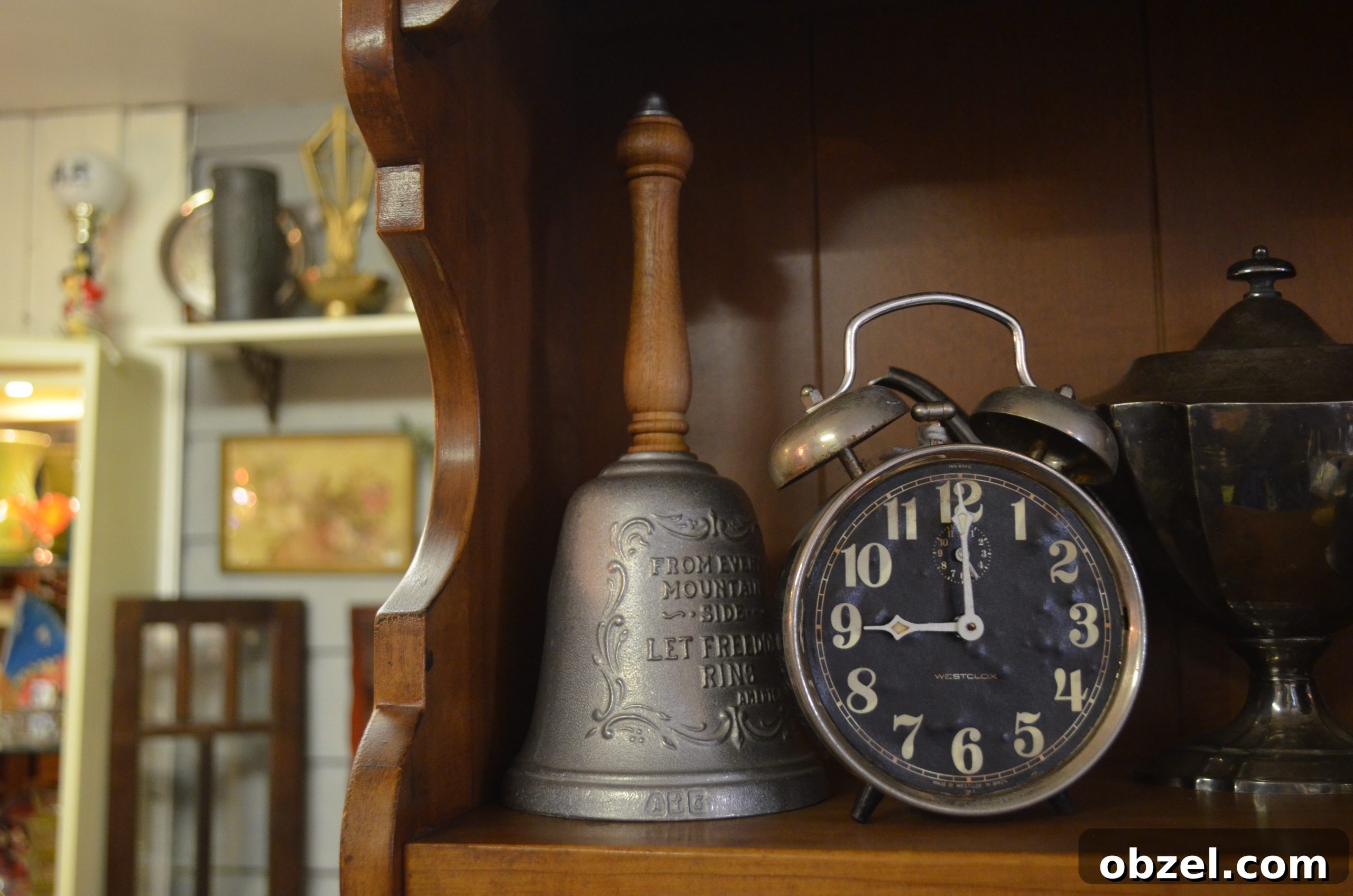
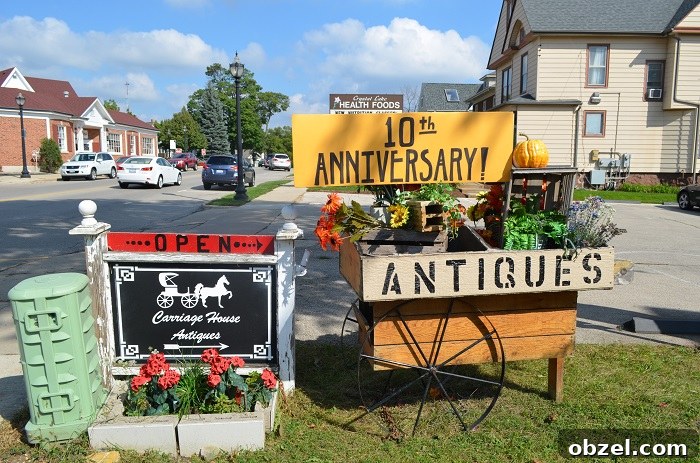
unique antiques at Carriage House Antiques
Since moving to our neighborhood a little over a year ago, I’ve made it a habit to explore local antique shops and vintage markets. These places are treasure troves for anyone who enjoys unique home decor, one-of-a-kind accessories, or simply browsing through objects with history. Antiquing is as much about the people you meet as the items you find—shop owners and dealers often have stories about where pieces came from and how they were used.
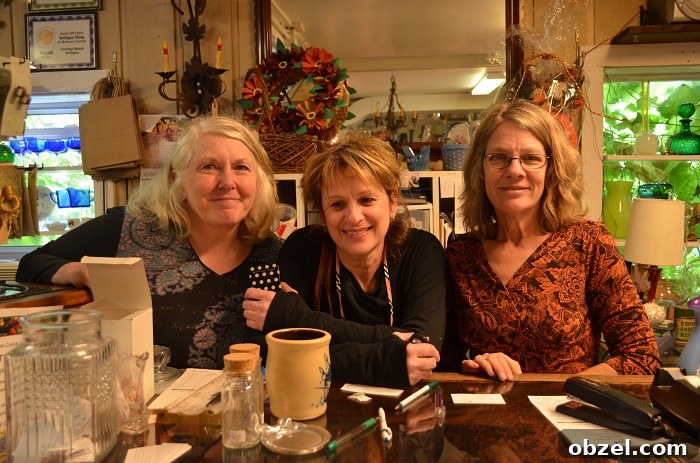
I always meet the nicest people when I’m out antiquing. The owners at shops like Carriage House Antiques are friendly and knowledgeable. They often share helpful background on their inventory and sometimes offer small comforts like coffee or snacks while you browse, which makes the experience feel welcoming and relaxed.
1. “Buy what you like and don’t spend a lot of money on the first old thing!”
This advice from Ed Fisher of Ridgefield Antiques in Woodstock, IL, is simple and practical. When you’re new to antique shopping, it’s easy to get excited and overspend on the first attractive item you see. Instead, take your time, walk around, and compare pieces. Buy items that truly resonate with you rather than purchasing for the sake of having something vintage.
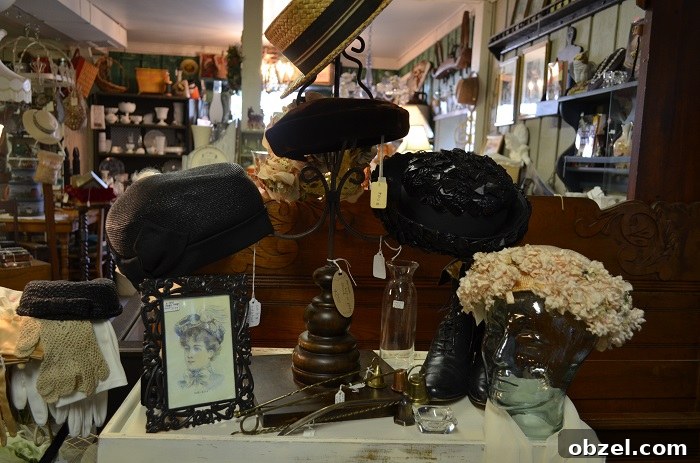
vintage hats at Carriage House Antiques
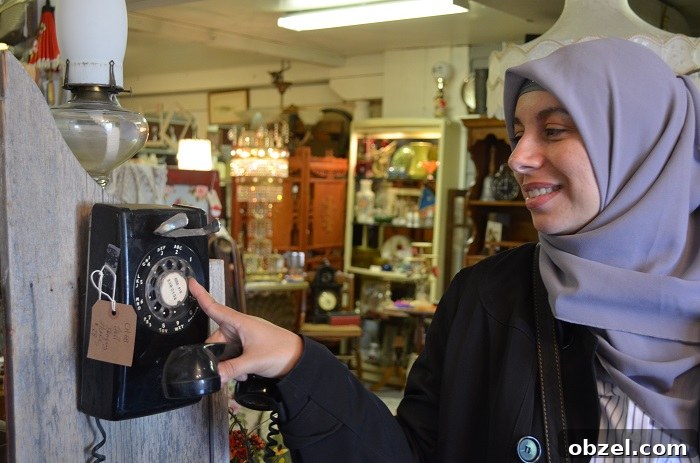
Haven’t seen one of these since my college days
2. Ask about an item’s history before buying it
The team at Carriage House Antiques in Crystal Lake, IL, emphasizes the importance of learning as much as you can about a piece before making a purchase. Asking questions—where it came from, how old it might be, whether it has any repairs—will help you assess authenticity and value. Even if the shop owner doesn’t know every detail, the conversation can reveal clues and sometimes uncover interesting provenance that adds to the charm of the item.
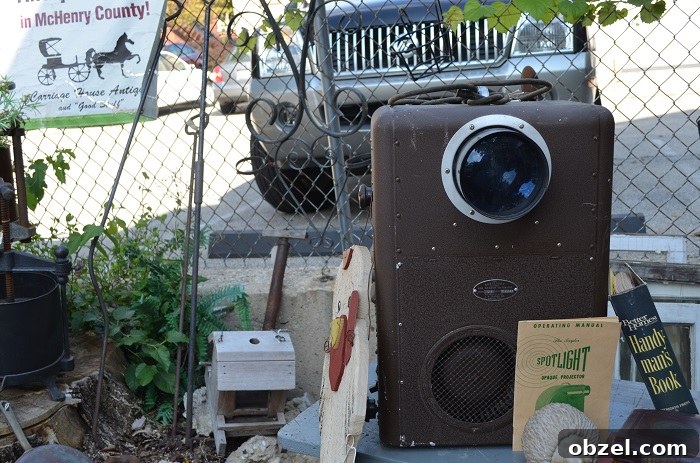
Vintage lights, books, etc. someone may use these for unique home decor- ever seen how they decorate at Restoration Hardware?
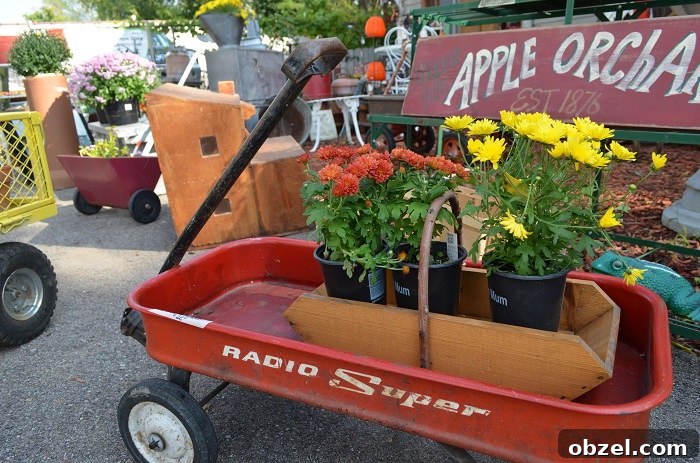
There always seems to be vintage children’s toys at these antique shops.
3. Do research and know the local market
Before you buy, do a little homework on the types of antiques you’re interested in and what similar pieces sell for in your area. In many regions, prices vary widely between urban and rural shops, flea markets, and online listings. Knowing the going rate helps you recognize a fair price and feel confident when negotiating. Treat it like a hobby: part detective work, part design planning, and part thrill of the hunt.
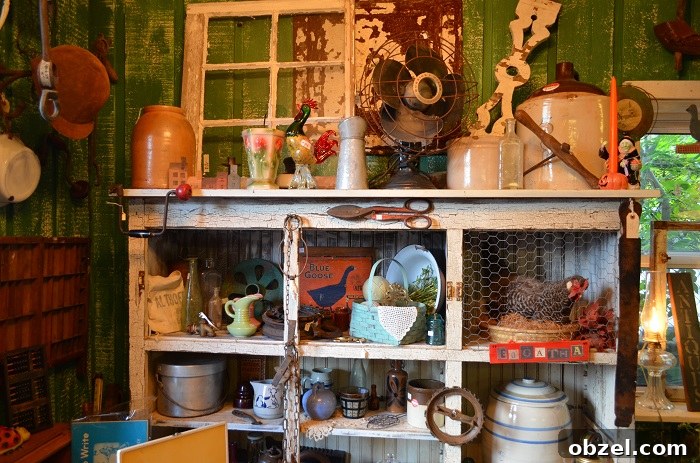
Of course there will always be some sort of vintage kitchen tools
Additional tips: consider the condition of an item and whether you’re willing to restore or reupholster it; think about how a piece will fit into your current home and whether it complements other elements; and keep a wishlist to avoid impulse buys. If you collect a particular category—glassware, lighting, or textiles—focus your research on that niche to become savvy about identifying quality and maker’s marks.
Antiquing and vintage shopping are rewarding for anyone who enjoys unique decor, sustainable consumption, and the stories objects carry. Whether you’re hunting for a standout statement piece or a subtle accent, approach the search with curiosity, patience, and a sense of fun.
Do you have tips or memorable finds from antiquing or vintage shopping? Share your experiences in the comments below—your insight might help someone else discover a great find.