I’ll be the first to admit I’m not naturally a banana person. If I listed my favorite fresh fruits, bananas would land near the end. That said, I love using ripe bananas in recipes—banana bread, muffins, pancakes, smoothies—those are where bananas truly shine for me.
When I find soft, spotted, overripe bananas marked down at the grocery store, I always stock up. They’re perfect for freezing and using later in baking or smoothies, and freezing overripe bananas is an economical way to avoid waste. Below I share a simple, practical guide to freezing bananas so they stay ready for recipes whenever you need them.
How to Freeze Bananas
Because bananas aren’t suitable for home canning, freezing is the best method to preserve soft, ripe fruit. You can freeze bananas several different ways depending on how you plan to use them later—whole, sliced, or mashed.
Step 1: Peel and Prep the Fruit
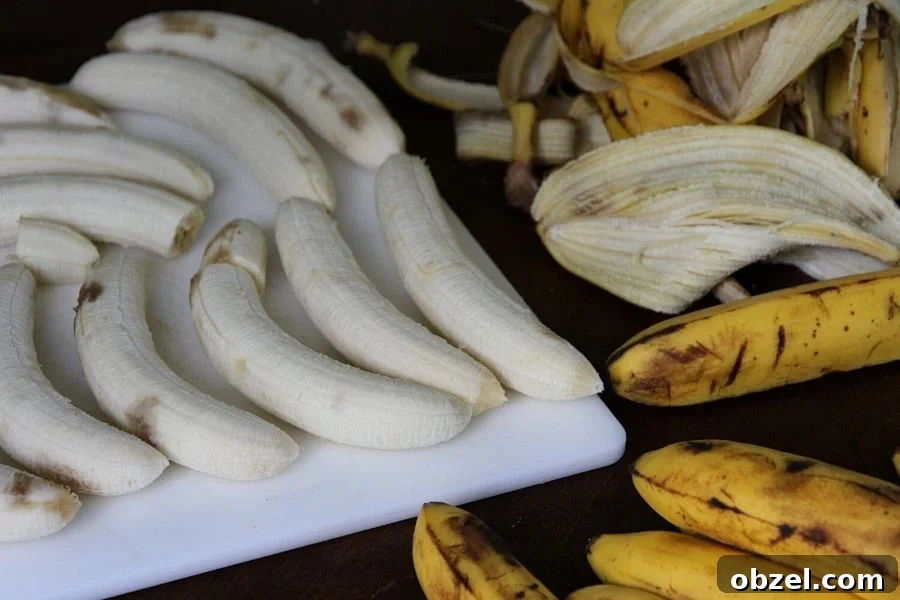
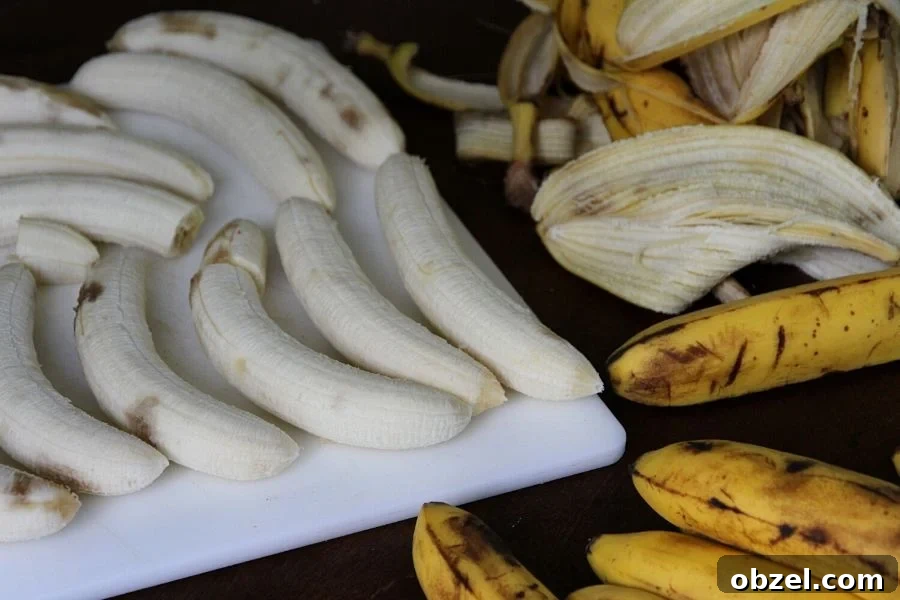
I prefer to peel the bananas before freezing, though some people freeze them in the peel. Peel each banana and discard the skins in a compost bin or outdoor garbage right away to avoid attracting fruit flies.
Decide how you’ll use the bananas and prepare them accordingly:
- For baking (banana bread, muffins): Mash the bananas and portion them into freezer-safe containers or bags in the amounts your recipes call for. Label each container with the date and the equivalent measurement (for example, “1 cup mashed banana”).
- For smoothies: Freeze the bananas whole or slice them into roughly 1-inch rounds. Slicing makes them easier to blend and faster to freeze solid.
- For single-serve or snack portions: Consider freezing slices on a parchment-lined cookie sheet until solid, then transferring them to a bag so single pieces won’t clump together.
A few useful prep tips: use a fork or potato masher for even mashed texture, and measure mashed portions into ice cube trays, silicone molds, or small containers for convenient single-use servings. Flash-freezing on a tray before bagging prevents pieces from sticking together, making it easier to remove only what you need.
Step 2: Bag and Freeze Your Bananas
Use airtight freezer bags or containers designed for freezing. Squeeze as much air out of the bag as possible before sealing, or use a vacuum sealer if you have one. Label each bag or container with the contents and the freezing date. Properly stored, frozen bananas keep their best quality for 6–8 months.
If you use frozen bananas within 2–3 months, the exact type of container matters less, but good freezer-grade bags or rigid containers will help prevent freezer burn and off flavors over longer storage times.
Step 3: Use As Needed
When you’re ready to bake, remove the amount of mashed banana you need and let it thaw in the refrigerator or on the counter for 2–3 hours, depending on the recipe. Thawed bananas will be soft and somewhat watery—perfect for baking. If you need room-temperature mashed banana for a recipe, plan ahead so it can thaw fully and warm slightly before using.
For smoothies, frozen banana pieces are best used straight from the freezer. They add creaminess and chill without watering down the drink. Blend frozen slices with liquid, yogurt, or other fruits until smooth.
A final practical note: frozen bananas change texture once thawed, becoming much softer and often a bit liquid. That makes them ideal for baked goods, smoothies, and sauces, but less appealing if you planned to serve them like fresh fruit. Keep this in mind when you choose your freezing method.
Freezing bananas is an easy, budget-friendly way to extend the life of overripe fruit and keep ingredient-ready portions on hand for baking and blending. With a little prep—peeling, portioning, and using proper freezer storage—you’ll have convenient banana servings ready whenever a recipe calls for them.