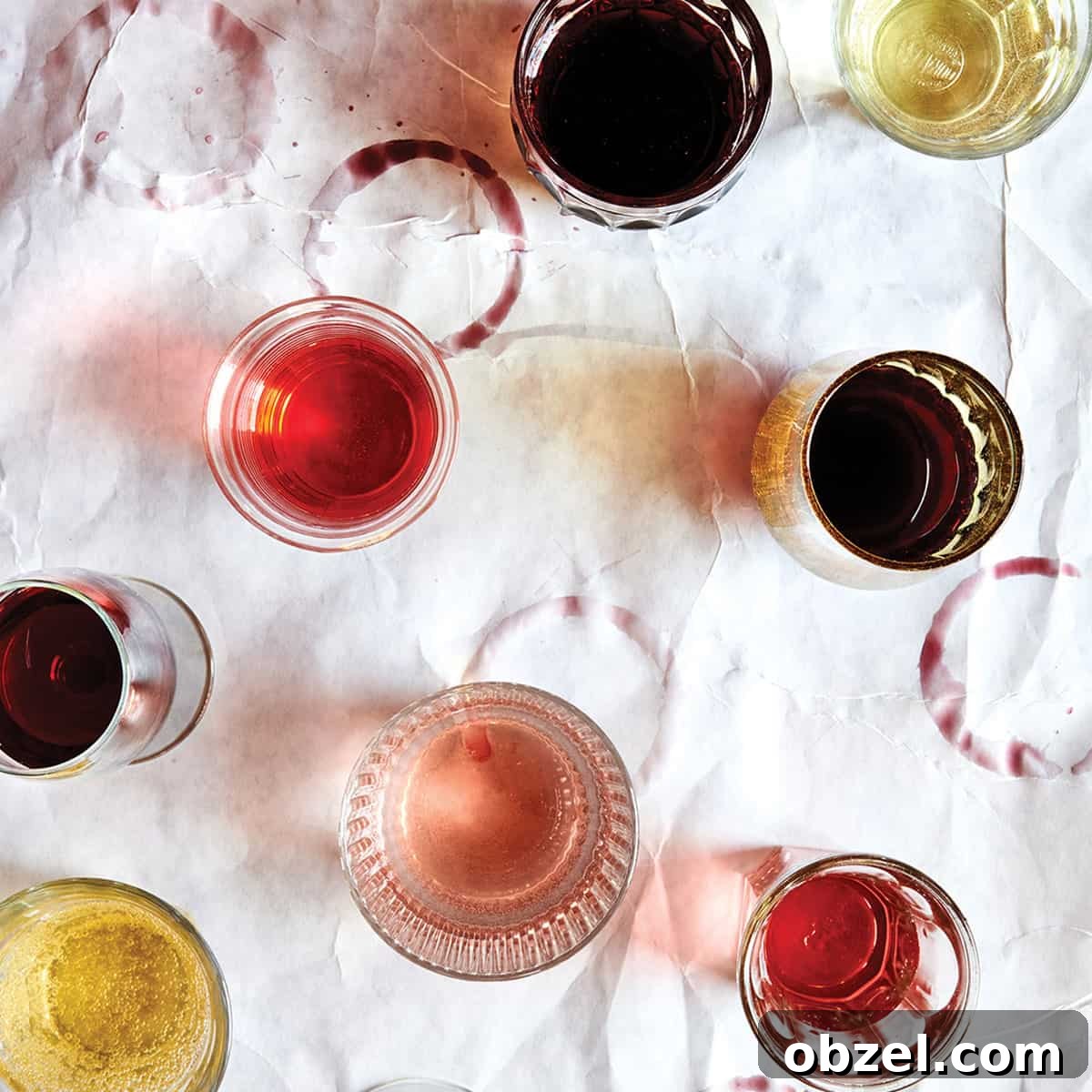
Learning to pair wine and food doesn’t need to be intimidating. With a few simple principles you can improve your pairings immediately and enjoy more harmonious meals. Below I share straightforward, practical tips for pairing wine with food—perfect for beginners and anyone who wants quick, usable guidance.
Table of Contents
- Rule One For Paring Wine With Food
- The Basics of Pairing Wine and Food
- Easy to Use Free Wine and Food Pairing Chart
As a food and wine writer, sommelier, and the author of the cookbook Fire + Wine, I’m often asked for quick advice on pairing wine with food. I teach longer classes that explore the science and nuance of pairing, but here I’ve condensed the essential rules into an easy-to-use guide you can apply right away.
This article focuses on practical, reliable pairing techniques: balance, acidity, sweetness, body and intensity. I’ve also included a simple pairing chart idea to help you get started. These suggestions are flexible rather than prescriptive—use them to inform your choices, not to limit your enjoyment.
Rule One For Paring Wine With Food
Drink what you like. Your personal preference matters more than any rule. If you enjoy a particular wine with a particular dish, that combination is a success. That said, if you want to enhance both the food and the wine, the guidelines below will help you create better matches.
The Basics of Pairing Wine and Food
Synergy: Don’t Overpower the Food
Pairing is about balance. A wine should neither be drowned out by the dish nor overwhelm it. Aim for synergy so that both the wine and the food enhance each other.
Balance can be achieved in two main ways: complementing and contrasting.
- Complement: Match like with like. Pair wines and dishes that share similar styles, intensity and weight so they enhance each other’s flavors.
- Contrast: Use opposite qualities to create balance. For example, a sweet wine can temper spicy heat, while a high-acid wine can cut through rich, fatty foods.
Acidity Level
- Complement: Match the acidity in the wine to the acidity in the dish—acidic dishes pair well with higher-acid wines. This preserves brightness and freshness on the palate.
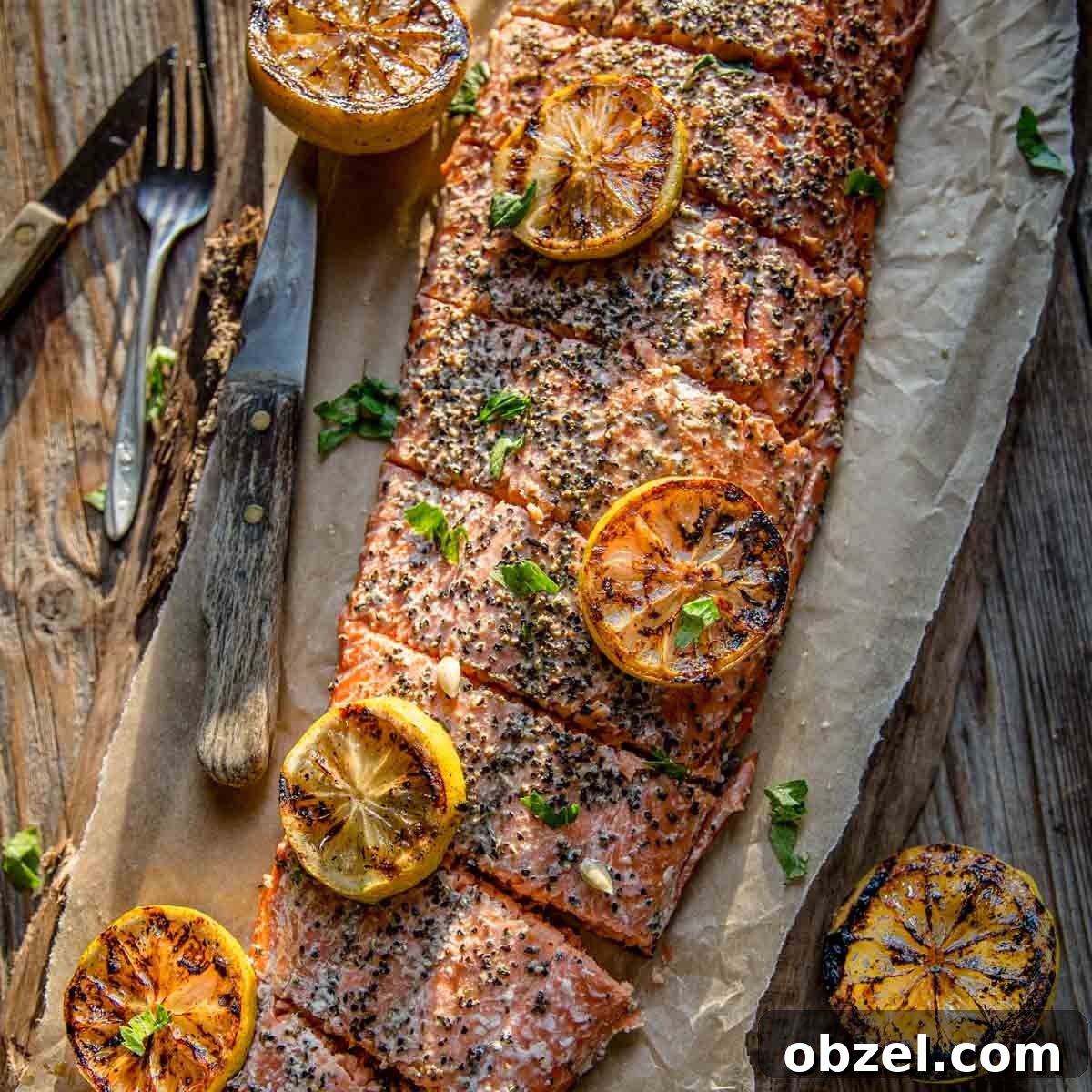
- Contrast: Use acidic wines to cut through rich, fatty foods. Sparkling wines and crisp whites often refresh the palate when paired with creamy or oily dishes.

Sweetness Level (sugar)
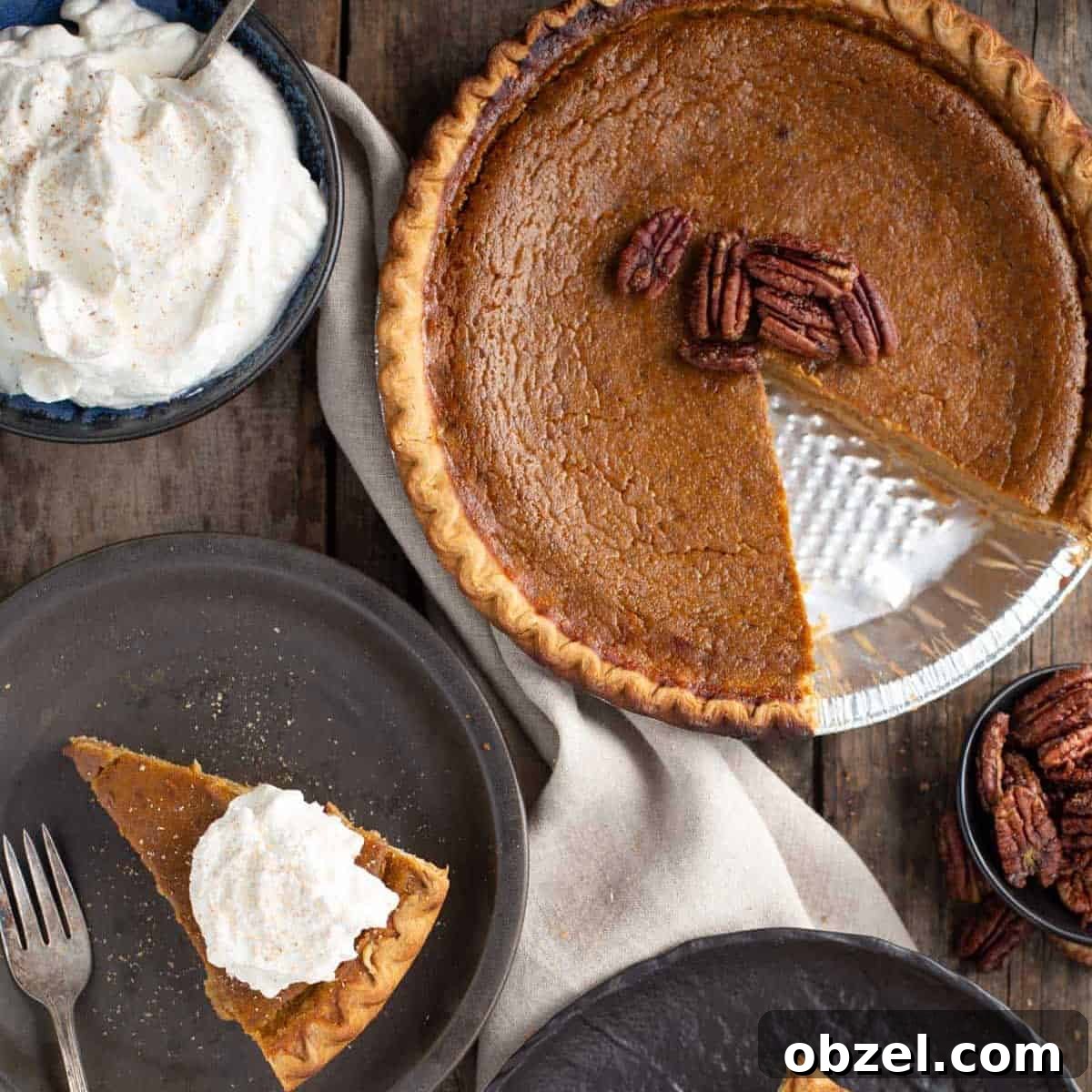
- Complement: Sweet dishes typically work best with wines that have similar residual sugar levels to avoid the wine tasting thin or overly tart.
- Contrast: Sweet wines can balance spicy heat or pair deliciously with salty flavors—think sweet-and-salty combinations. Dessert wines also create striking contrasts with pungent cheeses.
Body/Weight
Match the weight of the wine to the weight of the dish. Heavy, rich foods pair well with full-bodied wines; lighter dishes suit lighter-bodied wines.
- Full with full: Robust red meats and hearty stews pair nicely with full-bodied red wines.
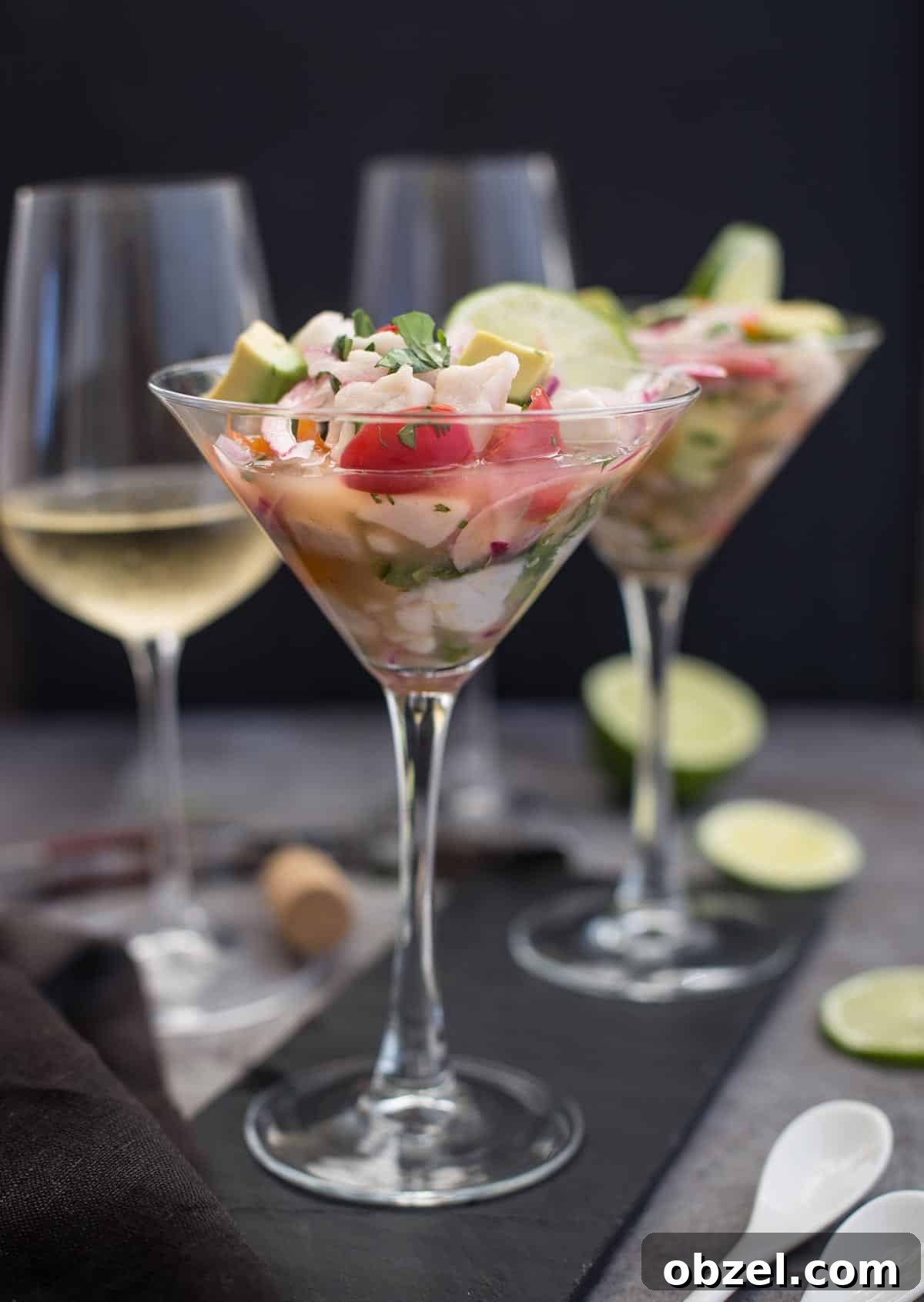
- Light with light: Delicate fish and simple salads go well with light, unoaked whites or light rosés.
Intensity
Intensity of flavor should be balanced. Strong, bold dishes need wines with equal presence; subtle dishes pair best with wines that won’t overwhelm the flavors.
Easy to Use Free Wine and Food Pairing Chart
(Suggested pairings—an approachable starting point for your wine and food pairing journey)
Below are general pairings to get you started. These are practical suggestions, not strict rules. Use them as a foundation, then experiment to discover what matches your taste.
- Oysters and other shellfish: crisp sparkling wine or high-acid white.
- Light white fish and salads: unoaked, light-bodied white or dry rosé.
- Poultry and pork: medium-bodied whites or light-to-medium reds depending on sauce and seasoning.
- Fatty pork, duck, charcuterie and aged cheeses: higher-acid whites or medium-bodied reds to cut through richness.
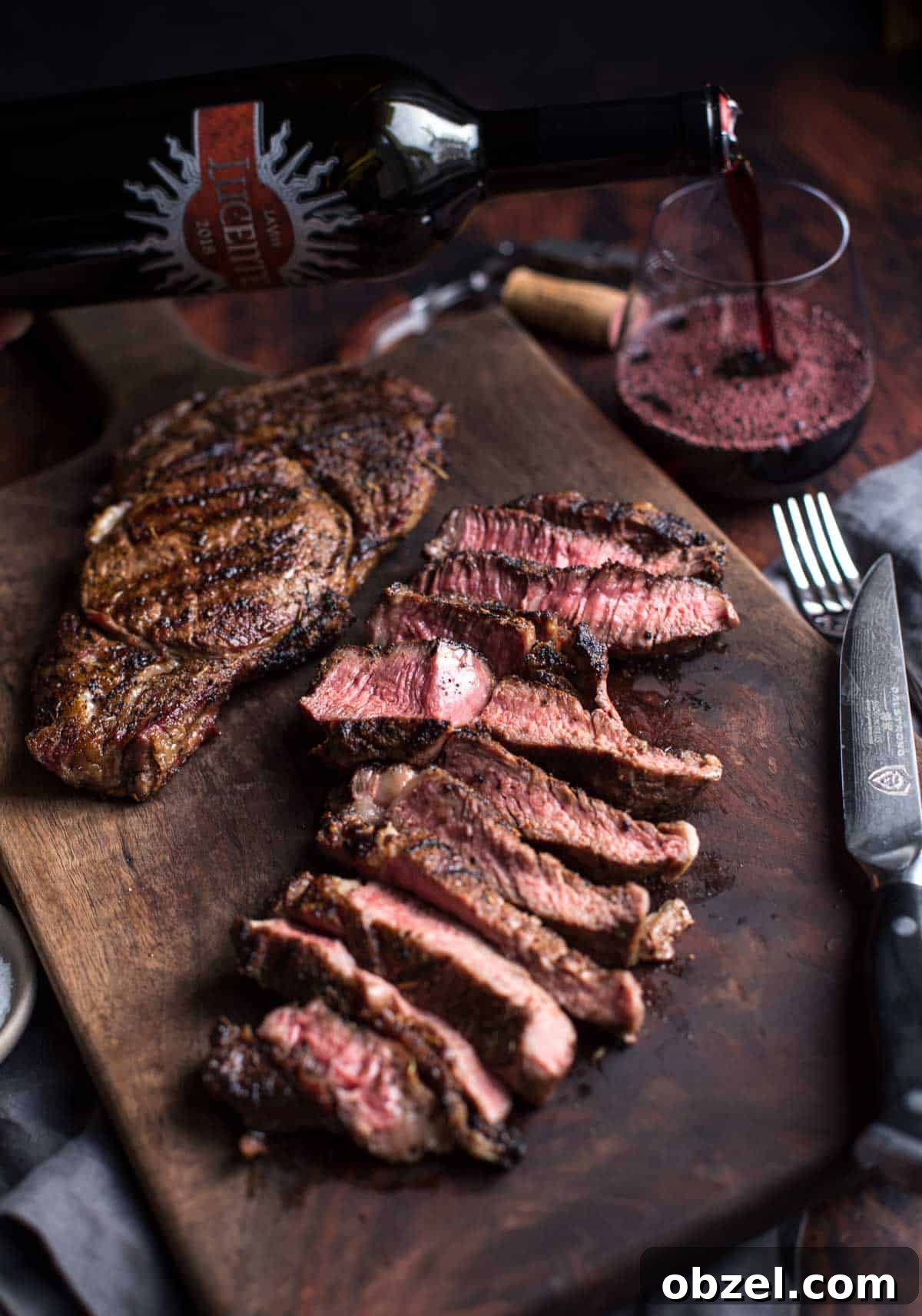
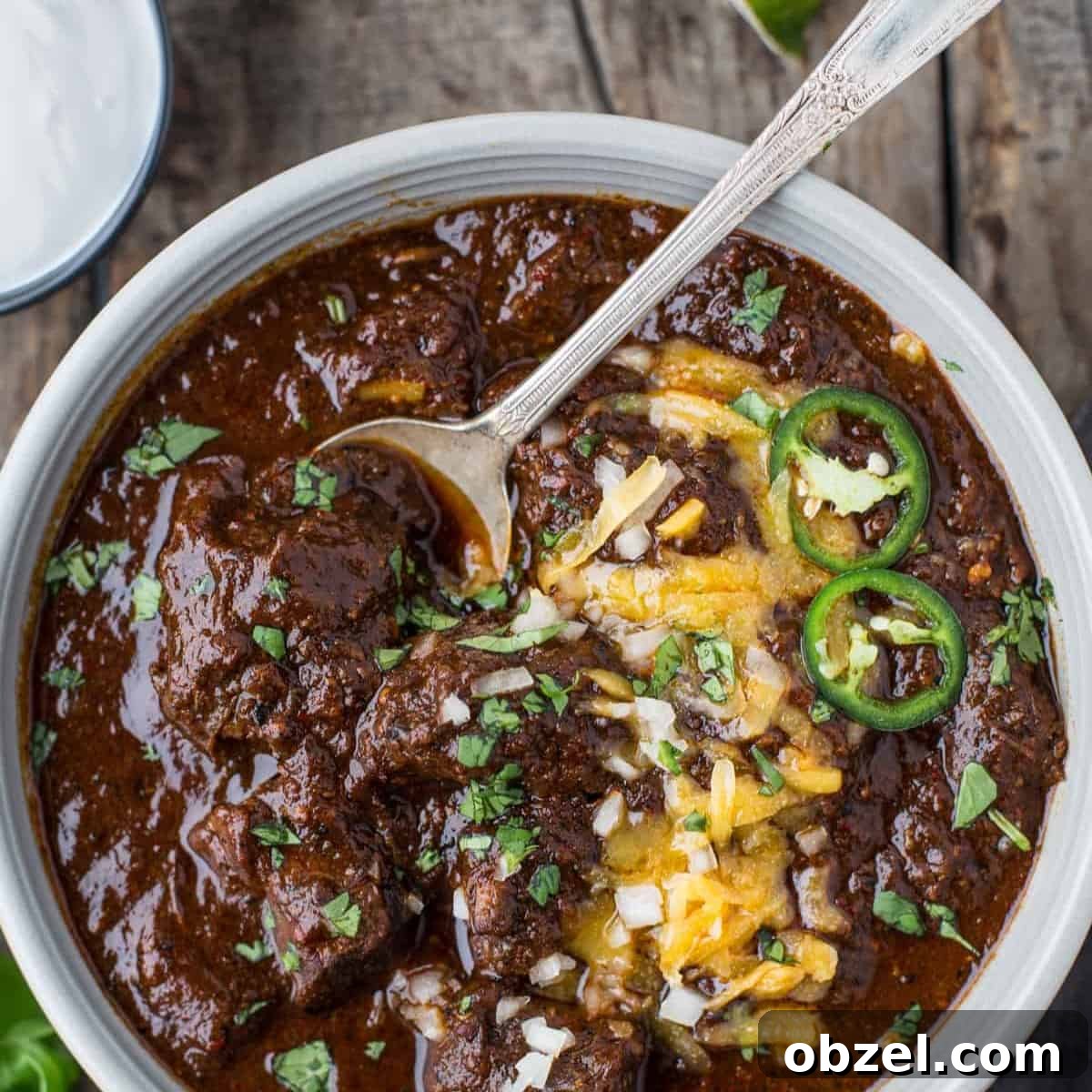
- Grilled red meats and hearty stews: full-bodied red wines with structure and tannin.
- Spicy cuisine: off-dry or slightly sweet wines can tame heat and provide balance.
- Desserts: pair sweetness levels to avoid the wine being overwhelmed; contrasting pairings with salty or pungent cheeses also work well.
If you’d like a printable version of a pairing chart, look for downloadable wine-and-food pairing charts from trusted wine resources or guides. Experiment with the pairings above and take notes—your best matches will come from tasting and personal preference.

If you have specific pairing questions or a favorite combination to share, please leave a comment. I love hearing what works for others and sharing ideas. Whether you’re preparing a weeknight dinner or planning a special menu, these basic principles will help you choose wines that bring out the best in your food.
Tried one of these pairings? Share your experience on social media by tagging @vindulge or using the hashtag #vindulge and consider subscribing to a newsletter from your favorite wine sources to receive regular pairing ideas and inspiration.