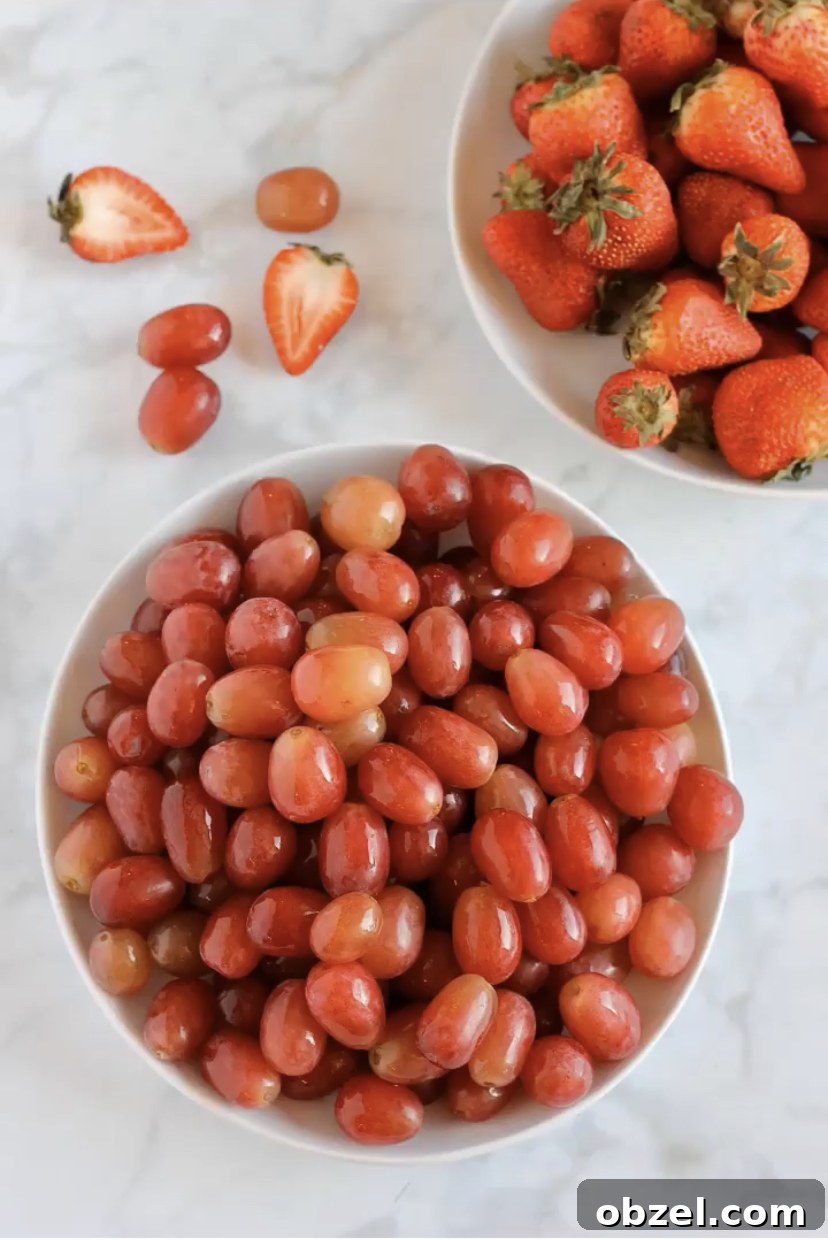
This fresh fruit wash is not really a recipe, but it is one of the kitchen tips I get asked about most often. If you have ever brought home grapes, berries, or other fresh produce only to find it soft, moldy, or spoiled after just a few days in the refrigerator, this simple vinegar soak may become part of your routine. Many people use it because it helps clean fruit more thoroughly and can help slow down mold and bacteria growth, which may help produce stay fresh longer.
The method is simple: soak fresh fruit or vegetables in a bowl of water with vinegar, let it sit for 20 minutes, rinse well, dry properly, and store in an airtight container or bag. The vinegar helps loosen dirt, debris, and anything else that may be clinging to the surface of the produce. It can be surprising to see how cloudy or dirty the water looks after the soak, especially with grapes and berries.
Why Use a Vinegar Fruit Wash?
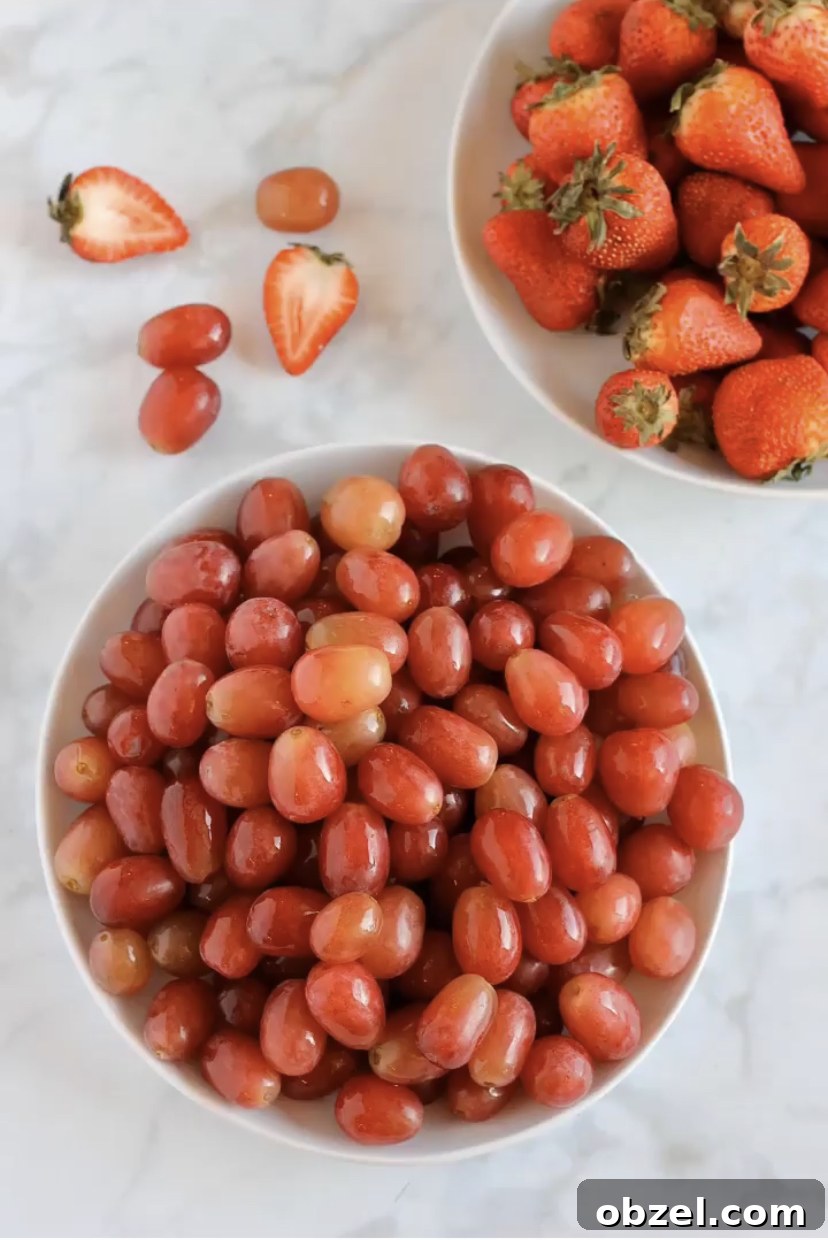
Fresh fruit often passes through many hands before it reaches your kitchen. Even produce that looks clean can still have dust, dirt, tiny bits of debris, or residue on the surface. A quick rinse under the faucet is better than nothing, but soaking fruit in a diluted vinegar wash gives it a deeper clean.
Vinegar is commonly used in kitchens because it helps discourage mold and bacteria growth. When used in a bowl of water, it creates a gentle wash that works well for grapes, berries, and many other fruits and vegetables. This is especially helpful for delicate produce that tends to spoil quickly, such as strawberries, blueberries, raspberries, and blackberries.
One of the biggest concerns people have is whether the fruit will taste like vinegar afterward. The answer is no. When the produce is rinsed well after soaking, it does not taste like vinegar. The flavor of the fruit stays the same, and the vinegar smell rinses away.
Best Fruits and Vegetables for This Wash
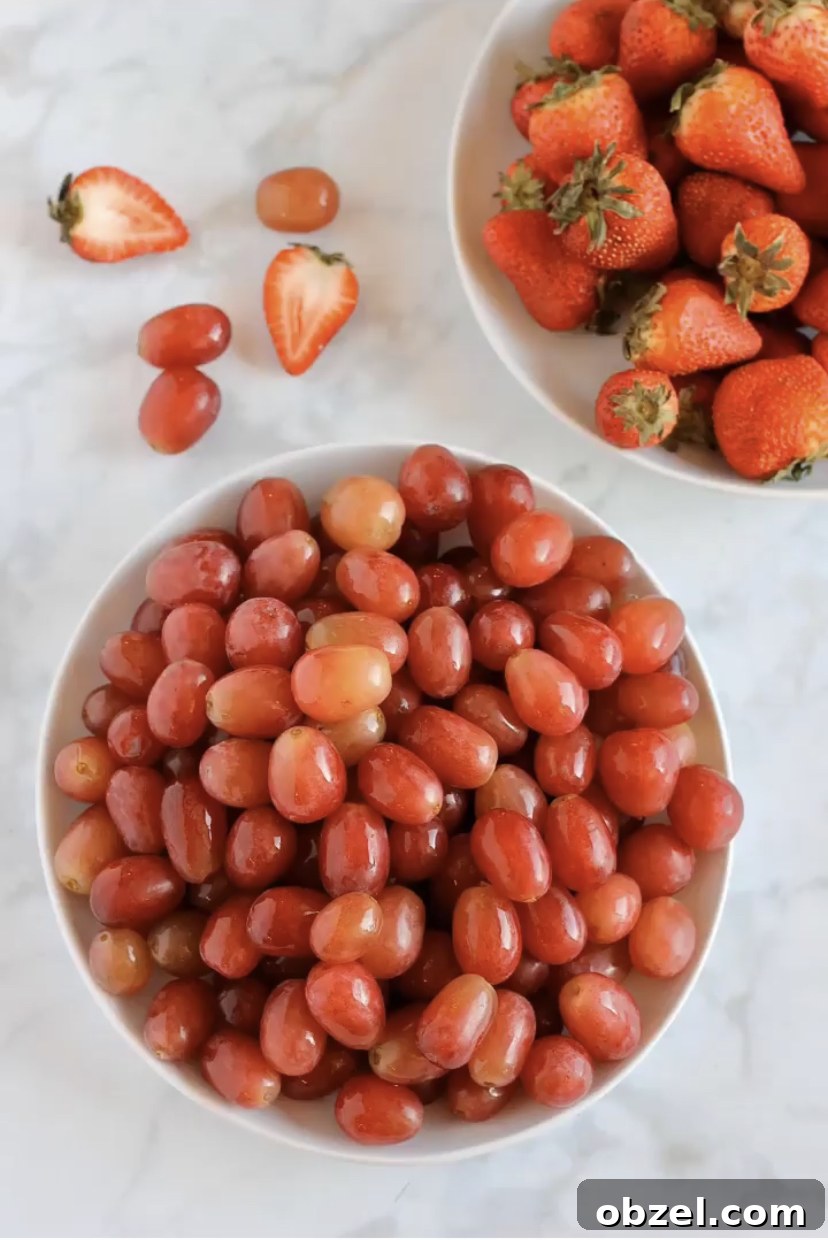
This fruit wash works especially well for grapes because they can collect a lot of surface residue. It is also excellent for berries, which are known for spoiling quickly if they are stored wet or unwashed. You can also use this method for many other fruits and vegetables when you want to give them a more thorough clean before storing them in the refrigerator.
The key difference is how you dry and store each type of produce after washing. Grapes and thicker-skinned fruits are easier to drain and store. Berries need a little more care because extra moisture can make them soften faster. After soaking and rinsing berries, lay them out on a clean dish towel and let them dry completely before placing them into an airtight container or bag.
Fresh Fruit Wash Tips
Use a large bowl so the produce has enough room to move around in the water. You do not need a special kind of vinegar. Any vinegar can work, but white vinegar is often used because it is inexpensive and easy to find. After the 20-minute soak, rinse the produce well with clean water. This step is important because it removes the vinegar from the surface of the fruit.
Drying is just as important as washing, especially for berries. If berries are stored while still wet, the extra moisture can shorten their shelf life. Let them sit on a clean towel until they are fully dry, then store them in an airtight container or bag in the refrigerator.
Fresh Fruit Wash
Fruit Wash
20
minutes
Instructions
-
Fill a large bowl with water. Make sure the bowl is big enough for the fruit or vegetables to be fully submerged.
-
Add the produce to the bowl, then pour in 1/2 cup of vinegar. Any vinegar can be used, but white vinegar is a common choice because it is inexpensive.
-
Let the fruit or vegetables soak for 20 minutes. When the time is up, drain them in a strainer and rinse well with clean water.
-
For grapes or thicker-skinned fruits, place them in an airtight bowl or bag and refrigerate. For berries, spread them out on a clean dish towel and let them dry completely before storing them in an airtight bowl or bag in the refrigerator.